5 Nutrients That'll Save Your Skin After 40
Ladies, let's talk about the elephant in the room—or should I say, the fine lines on our faces? While we're all out here trying to "age gracefully" (whatever that means), wouldn't it be nice if our skin got the memo? Sure, you can slather on all the fancy serums and creams your heart desires, but here's a plot twist: what you put IN your body matters just as much—if not more—than what you put ON it.
As a registered dietitian who's spent way too much time nerding out over nutritional dermatology research (yes, that's a real thing!), I'm here to spill the tea—or should I say, spill the supplements?—on five essential vitamins and minerals that can help keep your skin looking fresh, radiant, and decidedly un-crepey.

Why Your Skin Deserves Better Than Hope in a Jar
Before we dive into the good stuff, let's get real for a second. The global skin care market is worth billions of dollars, and we're all contributing to it with our monthly hauls of miracle creams and potions. But here's what the beauty industry doesn't always tell you: your skin is a reflection of your internal health, and no amount of topical products can fully compensate for nutritional deficiencies.
Research shows that micronutrient supplementation plays a crucial role in reinforcing the skin's barrier, and the connection between diet and skin health is so strong that there's an entire field dedicated to it called nutritional dermatology. Multiple nutrients and phytonutrients play significant roles in the protection and maintenance of skin health, including vitamins A, C, D, E, and zinc.
Now, let's meet your skin's new best friends.
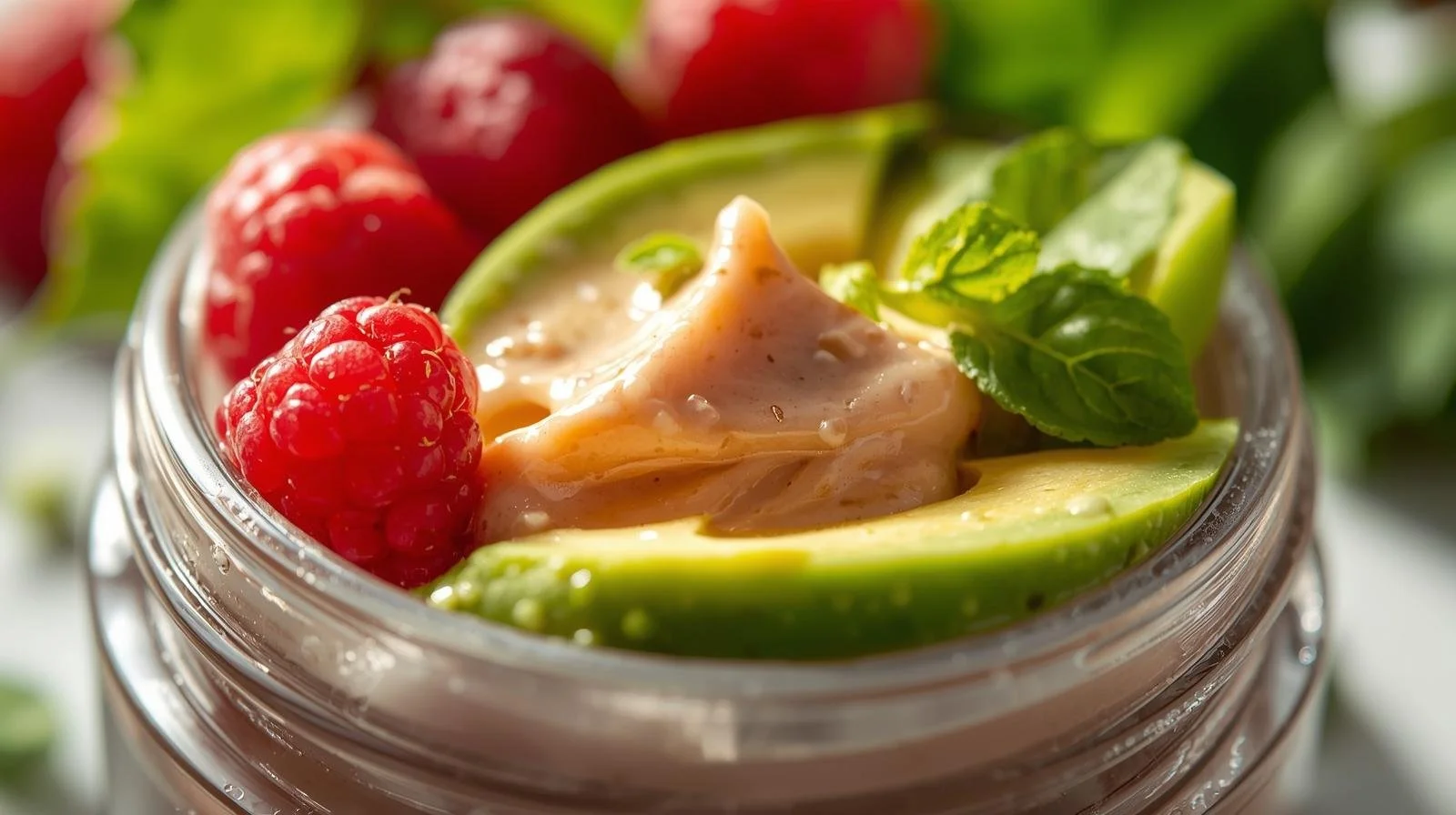
A new perspective on nutrients in a jar.
1. Vitamin C: The Brightening Bestie Your Skin Is Begging For
If vitamin C were a person, it would be that overachieving friend who somehow manages to do everything perfectly while making it look effortless. This powerhouse antioxidant doesn't just help you fight off colds—it's basically a one-woman show for your skin.
What It Does:
Vitamin C is like the construction manager for your skin's collagen production. A 16-week study found that daily supplementation with 5 grams of hydrolyzed collagen combined with 80 mg of vitamin C led to significant improvements in dermis density, skin texture, and reduction in wrinkle severity. Translation? Firmer, smoother skin that looks like you've been getting eight hours of sleep every night (even if your Netflix binge says otherwise).
But wait, there's more! Vitamin C also helps decrease melanin production, which means it can help fade those age spots that mysteriously appeared after your 40th birthday. And as an antioxidant, it's basically your skin's bodyguard against free radicals—those nasty molecules that make your skin age faster than a banana left on the counter.
The Real Talk:
Here's the catch: vitamin C is most prevalent in the skin, making it the organ that suffers most from environmental stressors. Even minimal UV exposure can slash your skin's vitamin C levels by 30%, and if you live in a polluted city? You're looking at a 55% decrease. Yikes.
How to Get It:
Load up on citrus fruits, strawberries, bell peppers, broccoli, and kale. The recommended daily intake is 75 mg for women, but for anti-aging benefits, studies suggest 80-100 mg might be your sweet spot.
Pro tip: Your body can't store vitamin C, so you need to replenish it daily. Think of it as your skin's subscription service—no skipping allowed!
2. Vitamin E: The Antioxidant Avenger
If vitamin C is the construction manager, vitamin E is the protective security detail. This fat-soluble vitamin is your skin's first line of defense against oxidative stress and photoaging (that's fancy talk for sun damage).
What It Does:
Vitamin E acts as the major naturally occurring lipid-soluble non-enzymatic antioxidant, protecting skin from the adverse effects of oxidative stress including photoaging. It's basically like installing a force field around your cells to protect them from environmental damage.
Here's the cool part: vitamin E concentrations in human skin naturally decline with age, which is one reason why our skin starts showing its age. But supplementation with 400 IU per day has been shown to reduce photodamage, wrinkles, and improve skin texture. Not too shabby!
The Synergy Secret:
Vitamin E is even better when it plays well with others. Research demonstrates that combining vitamin C and vitamin E produces more pronounced effects on reducing UV-induced hyperpigmentation than either vitamin alone. It's like they're the dynamic duo of skin health—Batman and Robin, but for your face.
How to Get It:
Think nuts, seeds, vegetable oils (especially sunflower oil), spinach, and avocados. The daily recommendation is 15 mg (22.4 IU), but for skin benefits, studies suggest 200-400 IU might be beneficial for older adults.
Reality check: Your skin naturally produces vitamin E through sebum (that's the oil your skin makes), but sebum production, along with vitamin E levels, naturally declines with age. So yes, older women need more of this golden nutrient.
3. Vitamin D: The Sunshine Vitamin (That's Actually Not Just About Bones)
Plot twist: vitamin D isn't just for preventing osteoporosis! While you've been dutifully avoiding the sun to prevent wrinkles (good for you!), you might have inadvertently created a vitamin D deficiency that's actually accelerating skin aging. Talk about ironic.
What It Does:
Active vitamin D metabolites exert a variety of antiaging and photoprotective effects on the skin through immunomodulation, including anti-inflammatory actions, regulation of keratinocyte proliferation and differentiation, antioxidative responses, and DNA repair mechanisms. In other words, it's basically a Swiss Army knife for skin health.
Here's where it gets interesting: vitamin D protects skin from oxidative stress, inflammation, and DNA damage, thereby delaying both chronological and photo-aging. It's like having a personal repair crew working around the clock to fix sun damage before it becomes permanent.
The Catch-22:
Women with lower photodamage scores were associated with a 5-fold increased risk of being vitamin D insufficient. So basically, if you're doing a great job protecting your skin from the sun (which you should!), you're more likely to be deficient in the vitamin your skin needs to stay young. Mother Nature has a twisted sense of humor.
How to Get It:
While your skin can produce vitamin D from sunlight, most dermatologists (and your future wrinkle-free self) recommend getting it from food or supplements instead. Think fatty fish (salmon, mackerel), egg yolks, fortified foods, and consider a supplement, especially if you're living that sunscreen-every-day life (which you should be!).
The sweet spot: Aim for 600-800 IU daily, but many experts suggest older women may need up to 1000-2000 IU for optimal skin health. Get your levels checked—both too little AND too much can accelerate aging.
4. Vitamin A: The Cell Turnover Champion
Ah, vitamin A—the ingredient that launched a thousand retinol creams. But here's the thing: while slathering retinol on your face is great, eating vitamin A-rich foods might be even better for long-term skin health.
What It Does:
Vitamin A plays an essential role in maintaining proper skin function and health. It regulates cell production and differentiation, which basically means it tells your skin cells when to grow up and get to work. Without enough vitamin A, your skin can become dry, rough, and more prone to infections—not exactly the dewy glow we're going for.
The Food-First Approach:
While topical retinoids (vitamin A derivatives) have stolen the spotlight in skincare, dietary vitamin A is equally important for maintaining skin structure and function. Vitamin A is one of the key nutrients that plays a significant role in protection and maintenance of skin health.
How to Get It:
There are two forms: retinol (from animal sources like liver, dairy, and eggs) and beta-carotene (from colorful fruits and veggies like sweet potatoes, carrots, spinach, and cantaloupe). Your body converts beta-carotene into vitamin A as needed, which is pretty nifty.
Daily goal: 700 mcg RAE (retinol activity equivalents) for women. One medium sweet potato? You've got your day covered.
Word of caution: More isn't always better with vitamin A. Too much can actually cause problems, so stick to food sources or a moderate supplement, and save the heavy-duty retinoids for topical use.
5. Zinc: The Unsung Hero of Skin Health
Last but definitely not least, let's talk about zinc—the mineral that doesn't get nearly enough credit for keeping your skin looking fabulous. While it might not have the glamorous reputation of vitamins C and E, zinc is working overtime behind the scenes.
What It Does:
About 6% of the body's zinc is found in the skin, with higher concentrations in the epidermis compared to the dermis. This mineral is involved in over 300 enzymatic processes and plays a crucial role in wound healing, reducing inflammation, and protecting against UV damage.
But here's the kicker: research shows a significant decrease in epidermal zinc concentration with aging. So just when your skin needs zinc the most, your body has less of it. Classic.
The Anti-Aging Evidence:
A 4-week clinical trial using zinc-containing products showed improvements in skin density, elasticity, and reduction in periorbital wrinkles among women aged 35-60. Plus, zinc deficiency in the elderly can lead to dry and wrinkled skin, along with severe immune dysfunction—which explains why grandma always pushed you to eat your beans.
The Inflammation Fighter:
Zinc possesses natural anti-inflammatory properties that help reduce swelling, redness, and irritation. If you've got rosacea, eczema, or acne (because yes, you can have wrinkles AND pimples—life is unfair), zinc might be your new best friend.
How to Get It:
Load up on oysters (the zinc champions!), beef, pumpkin seeds, lentils, chickpeas, and whole grains. The recommended daily intake is 8 mg for women, though some studies suggest 9-11 mg for optimal skin health.
Important note: The recommended intake increases to 11-12 mg for pregnant and lactating women, so adjust accordingly based on your life stage.
The Bottom Line (Wrinkle-Free, We Hope)

Good nutrition is all about balance. It is easier to get balance from foods than supplements.
Here's the truth bomb: there's no magic pill for eternal youth (trust me, I've checked—extensively). But the research is crystal clear: there is a clear link between nutrition and skin health, and these five nutrients are your MVPs for maintaining youthful, radiant skin as you age.
The best part? Unlike that $200 face cream that promises miracles and delivers...moisture, these vitamins and minerals work from the inside out to actually improve your skin's structure, function, and resilience. Plus, they come with a side of better overall health, which is a bonus your moisturizer can't match.
Your Action Plan:
Eat the rainbow – Different colored fruits and vegetables provide different antioxidants and vitamins
Don't skimp on healthy fats – Your skin needs them to absorb vitamins A, D, and E
Consider strategic supplementation – Especially for vitamin D, which is tough to get from food alone
Stay consistent – Your skin cells turn over every 28-40 days, so give these nutrients time to work their magic
Remember: food first, supplements second – Whole foods provide combinations of nutrients that work synergistically
The Reality Check:
Now, before you run off to megadose on all these vitamins (please don't), remember that balance is key. While studies show promising results for collagen and vitamin supplementation, research quality varies, and not all industry-funded studies show the same benefits as independent research. Work with a healthcare provider to determine what your body actually needs.
And here's the thing: these nutrients won't erase 20 years of sun damage overnight or turn you into a 25-year-old supermodel (sorry!). But they CAN help your skin maintain its integrity, bounce back from environmental stressors, and age more gracefully. They're not about fighting aging—they're about aging well.
So go ahead, eat that salmon, munch on those almonds, and yes, keep using your sunscreen. Your skin will thank you, your future self will thank you, and honestly, your wallet will thank you too (have you seen the price of those luxury face creams lately?).
References
Januszewski, J., Forma, A., Zembala, J., et al. (2023). Nutritional Supplements for Skin Health-A Review of What Should Be Chosen and Why. Medicina (Kaunas), 60(1):68. https://pubmed.ncbi.nlm.nih.gov/38256329/
Morgado-Carrasco, D., Gil-Lianes, J., Jourdain, E., & Piquero-Casals, J. (2023). Oral Supplementation and Systemic Drugs for Skin Aging: A Narrative Review. Actas Dermosifiliogr, 114(2):114-124. https://pubmed.ncbi.nlm.nih.gov/36206809/
Myung, S.K., & Park, Y. (2025). Effects of Collagen Supplements on Skin Aging: A Systematic Review and Meta-Analysis of Randomized Controlled Trials. Am J Med, 138(9):1264-1277. https://pubmed.ncbi.nlm.nih.gov/40324552/
Žmitek, K., Žmitek, J., Hristov, H., et al. (2024). The Effects of Dietary Supplementation with Collagen and Vitamin C and Their Combination with Hyaluronic Acid on Skin Density, Texture and Other Parameters: A Randomised, Double-Blind, Placebo-Controlled Trial. Nutrients, 16(12):1908. https://pubmed.ncbi.nlm.nih.gov/38931263/
Assaf, S., & Kelly, O. (2024). Nutritional Dermatology: Optimizing Dietary Choices for Skin Health. Nutrients, 17(1):60. https://pubmed.ncbi.nlm.nih.gov/39796494/
Office of Dietary Supplements, National Institutes of Health. Dietary Supplements for Health Information. https://ods.od.nih.gov/
Disclaimer: This blog post is for informational purposes only and is not intended as medical advice. Always consult with your healthcare provider or registered dietitian before making significant changes to your diet or starting new supplements, especially if you have existing health conditions or take medications.
About The Nuanced Nutritionist: Your friendly neighborhood registered dietitian who believes that good nutrition should be evidence-based, accessible, and never boring. Because life's too short for bland chicken breast and tasteless supplements.