
Alpha-Gal Syndrome
You have probably seen alpha-gal syndrome pop up in the news or heard someone mention it at a cookout. Maybe you have a friend who suddenly "can't eat red meat anymore" and you thought “wait, what?”
Here is the short version: it is a real, diagnosable allergy that can develop after a tick bite, and it is way more common than most people realize. The tricky part? Symptoms show up hours after eating, which means most people spend months blaming everything else before they get answers.
If you have ever wondered what alpha-gal syndrome actually is, how you get it, and whether that mysterious thing happening to your body might be connected, this one is for you.
Can Chlorella Actually Grow Your Hair?
Chlorella walks into the wellness conversation and everyone starts talking about hair growth. Before you add a tablespoon of green powder to your smoothie, let's look at what the research actually says.
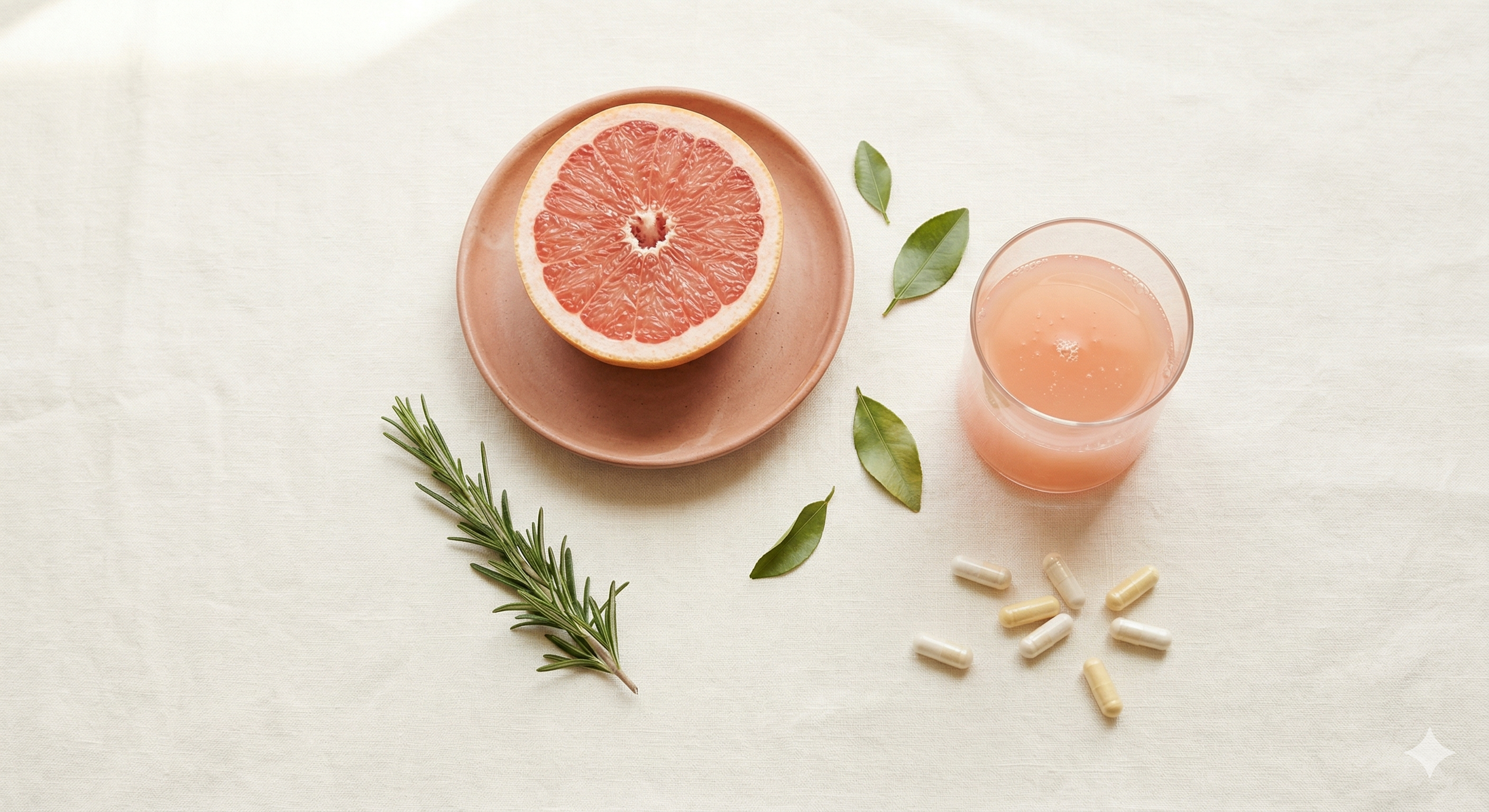
Grapefruit: The Fruit That Messes With Your Meds
Grapefruit is delicious, refreshing, and packed with vitamin C. It also happens to permanently disable one of the most important drug-metabolizing enzymes in your body.
If that sounds dramatic, well, it kind of is. Compounds called furanocoumarins in grapefruit irreversibly knock out CYP3A4, the enzyme responsible for processing roughly half of all commonly prescribed medications. That means a single glass of grapefruit juice can significantly raise blood levels of certain statins, blood pressure medications, immunosuppressants, and more.
But before you swear off citrus forever: this interaction is well-studied, well-understood, and very manageable with a little awareness.
This post breaks down exactly what’s happening, which medications are affected, which other citrus fruits share the same chemistry, and what to do about it.

Spit Take: What At-Home Cortisol Tests Actually Tell You
Cortisol has officially become the wellness world’s favorite villain. Blame it on your fatigue, your belly fat, your 2 AM doom-scrolling. And now there’s a growing army of at-home testing kits ready to prove it, all from the comfort of your bathroom.
But is that $99 cortisol monitor actually telling you something useful? Or is it a very expensive way to watch a number fluctuate while you stress about whether you’re too stressed?
The science of salivary cortisol is more interesting than you might think, and so are the caveats. Before you add anything to your cart, here’s what you actually need to know.
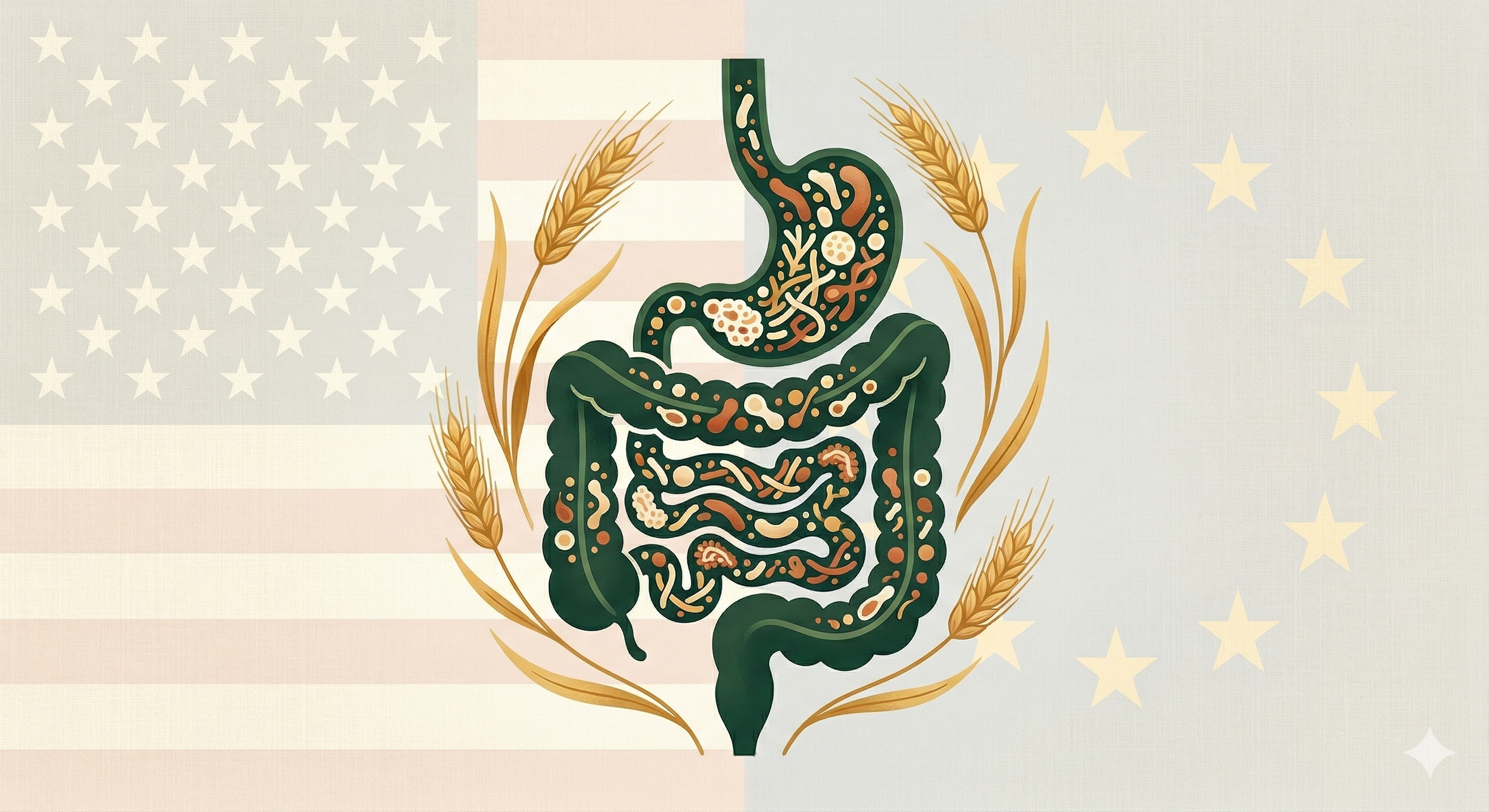
Gluten in the U.S. vs. Europe: Why Your Vacation Bread Hits Different
"I can eat bread in Europe but not at home." Sound familiar? The "vacation bread miracle" is one of the most common nutrition claims on the internet, and the truth is way more interesting than you might think. This deep dive unpacks the real science behind gluten-related disorders, explores why your stomach might prefer European bread (spoiler: it might not be the gluten at all), and makes the case for why self-prescribing a gluten-free diet could mean missing key nutrients and masking a deeper problem. From fructans and FODMAPs to sourdough fermentation, the EPSPS enzyme, food additives, and the surprisingly powerful nocebo effect, we are leaving no breadcrumb unturned. Because when it comes to your gut, nuance always wins over hype.
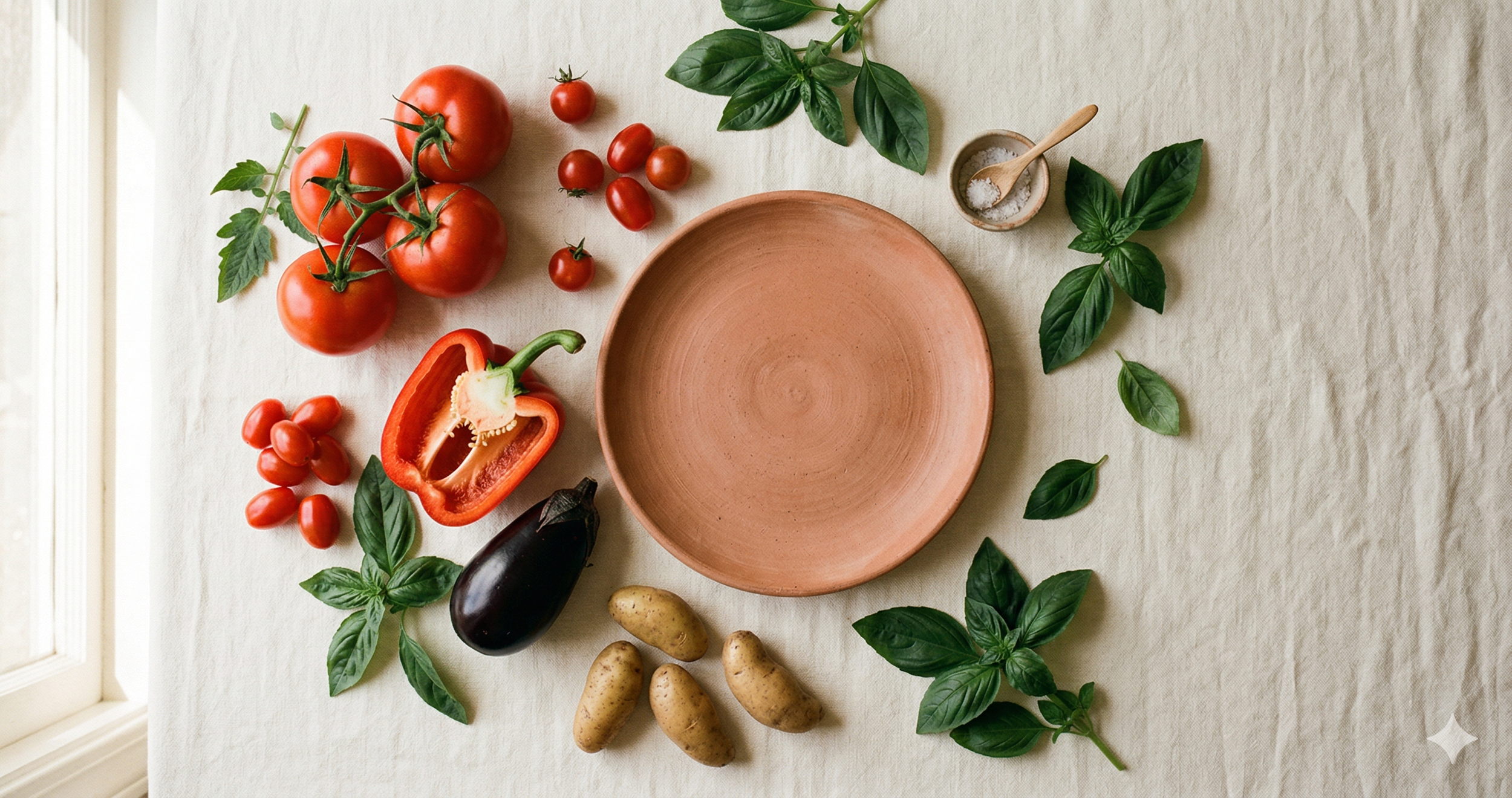
Nightshade Vegetables: Should You Actually Avoid Them?
Tomatoes, potatoes, peppers, and eggplant have become some of the most demonized vegetables on the wellness internet. But what does the peer-reviewed research actually say? In this post, I break down the real science behind nightshade avoidance: what glycoalkaloids are, what those mouse studies actually showed (and didn't show), why some nightshades are actively anti-inflammatory, and who might genuinely benefit from a guided elimination protocol. Spoiler: for the vast majority of people, these nutrient-dense staples deserve a permanent spot on your plate. If you have been told to fear your marinara sauce, this one is for you. (Updated 4/12/26)
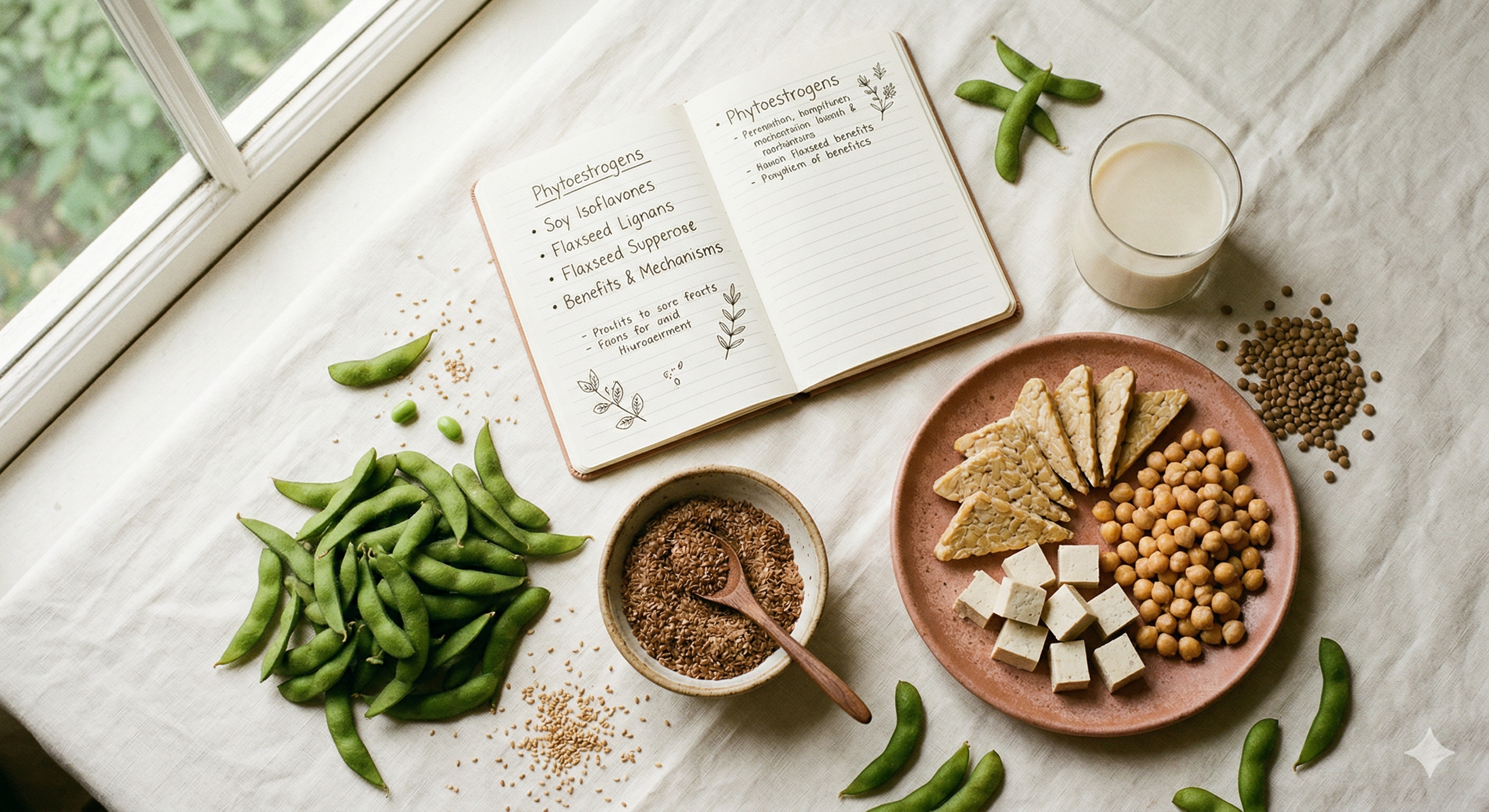
Plant Hormones and Your Hormones: A Nuanced Guide to Phytoestrogens
Phytoestrogens — found in edamame, flaxseed, tempeh, and sesame — are among the most misunderstood compounds in the nutrition conversation. Are they hormonal disruptors? Basically estrogen in food form? Should you be worried about your tofu?
The short answer: no, no, and absolutely not. The longer answer involves estrogen receptors, gut bacteria, rodent studies that don't translate to humans, and a surprisingly robust body of evidence pointing toward real health benefits.
In this post, I break down what isoflavones and lignans actually are, what the research says about cardiovascular health, menopausal symptoms, bone density, and cancer risk, how food sources compare to supplements, who should exercise genuine caution, and what a full day of phytoestrogen-rich eating actually looks like.
Evidence-based. Fully cited. Jargon explained.
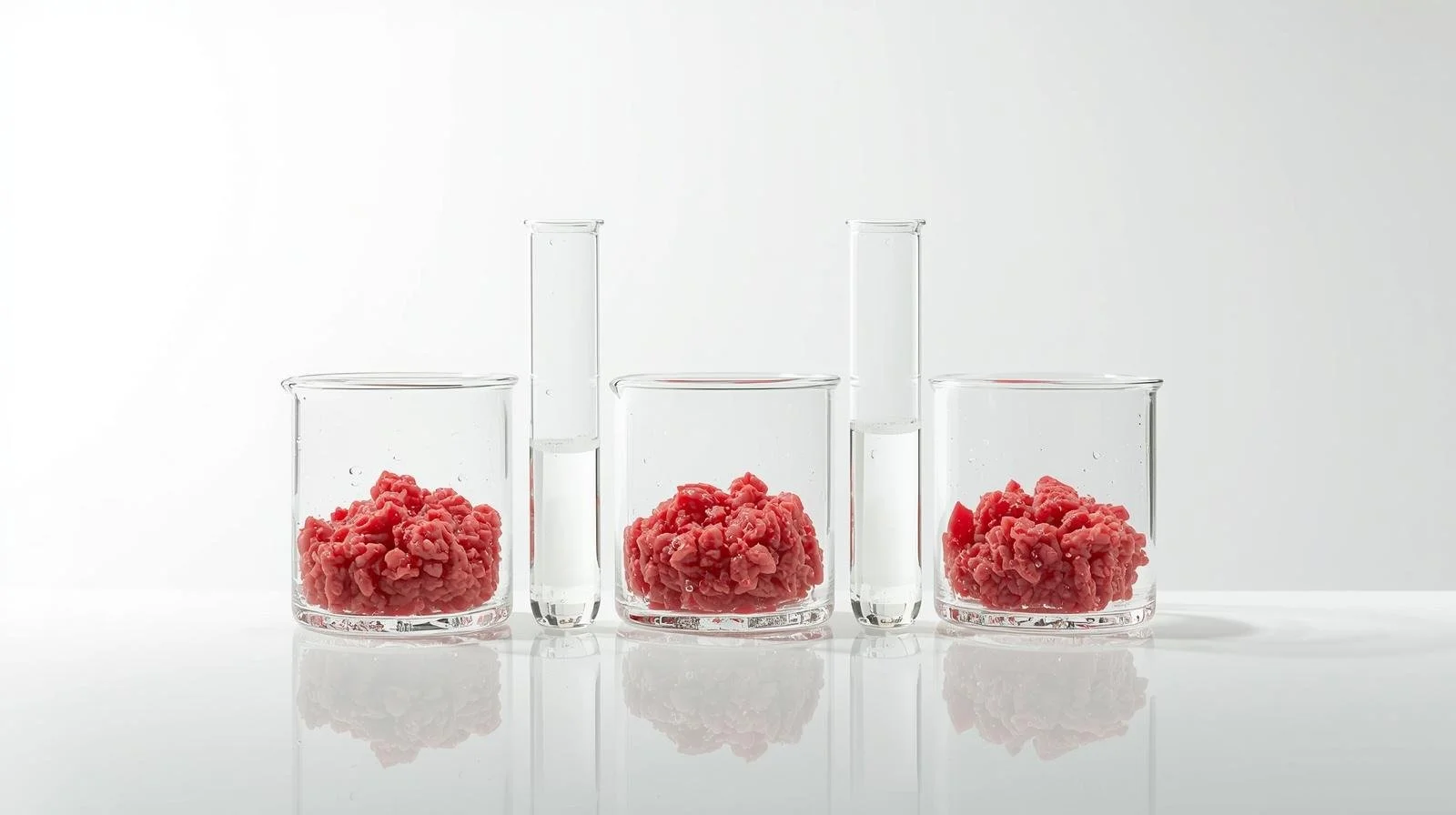
Lab-Grown Meat: The Science, the Hype, and What We Actually Know
You've seen the headlines. Lab-grown meat is either going to save the planet or ruin dinner forever, depending on who you ask. As a registered dietitian, my job is to cut through both the hype and the alarm — and give you what the peer-reviewed evidence actually says.
Cultivated meat is real animal meat, grown from animal cells in a bioreactor rather than a whole animal. Two U.S. companies received regulatory approval to sell it in 2023. And now the question everyone wants answered is: what does the nutrition actually look like?
The honest answer? Protein content is promising. Fat composition could theoretically be engineered to be healthier than conventional meat. But micronutrient gaps are real, long-term health data doesn't exist yet, and not all products are created equal.
This is a genuinely novel food technology with legitimate scientific potential — and a dataset that is still being built. Neither the breathless enthusiasm nor the fear-based headlines are doing justice to the evidence.
The nuance is more interesting. Let's get into it. →

Slather, Soak, or Swallow? What the Science Really Says About Magnesium Absorption
Magnesium sprays, Epsom salt soaks, and topical lotions have taken the wellness world by storm — and the marketing claims are bold. "Absorbs directly into your cells." "More effective than oral supplements." "Nearly 100% bioavailable." But here's something your skin would like you to know: its entire job is to keep things out.
So does topical magnesium actually do anything? The honest answer is: it depends — on your goals, your health history, and which product you're using. Some of the research is genuinely interesting. Some of it is genuinely overhyped. And there's one specific population for whom topical magnesium may be a legitimate clinical tool.
As always, the nuance is where the good stuff lives. Let's look at what the peer-reviewed evidence actually says — and what it doesn't.

Eating by the Clock: What Chrononutrition Actually Is
What if when you eat matters as much as what you eat? That's the question at the heart of chrononutrition — the emerging science of how meal timing interacts with your body's internal biological clocks to influence metabolism, blood sugar, gut health, and cardiovascular function.
The research is genuinely fascinating. It's also more nuanced than the wellness internet would have you believe.
This post covers the theory, the evidence, the practical strategies, and the honest caveats — no rigid rules, no hype.

Nourishing Your Estrobolome: A Dietitian's Guide to Gut Health and Hormonal Balance
If you've ever wondered why some women sail through perimenopause while others struggle — or why soy works wonders for some and nothing for others — part of the answer may be living in your gut. Meet the estrobolome (ess-TROH-boh-lome): a specialized collection of gut bacteria that plays a surprisingly powerful role in how your body manages estrogen. Here's what the emerging science says, and how your diet fits into the picture.

Is Intermittent Fasting “Officially” Over?: A Dietitian Reads the Fine Print
A major new Cochrane review just declared intermittent fasting “no better than dietary advice.” Before you abandon your 16:8, read this.
Cochrane reviews represent the gold standard of scientific synthesis—22 trials, nearly 2,000 participants, the works. But “no better than dietary advice” is not the same as “doesn’t work,” and the details tell a very different story. Here’s what the review actually found, what it missed, and what the broader evidence says.

Finding Your Perfect Match: How to Select the Right Dietitian for YOU
Here's something I want you to know right from the start: finding the right dietitian might take a few tries—and that's not just okay, it's completely normal. Just like selecting a therapist or any healthcare provider you'll work closely with, the relationship between you and your dietitian matters immensely.
While every registered dietitian must demonstrate competence across all facets of our field, that shared foundation doesn't mean we all practice the same way. We're individuals shaped by our unique experiences, perspectives, specialties, and personalities. Research shows that the therapeutic relationship between you and your dietitian actually impacts your outcomes—when you feel genuinely heard, understood, and supported, that's when sustainable change becomes possible.
In this post, I break down everything you need to know about finding your perfect dietitian match: from understanding different specialties and counseling approaches, to the critical importance of cultural competence, questions to ask during consultations, red flags to watch for, session format options (virtual vs. in-person), and how to stay connected between appointments. You deserve care that feels supportive, culturally humble, and genuinely collaborative.
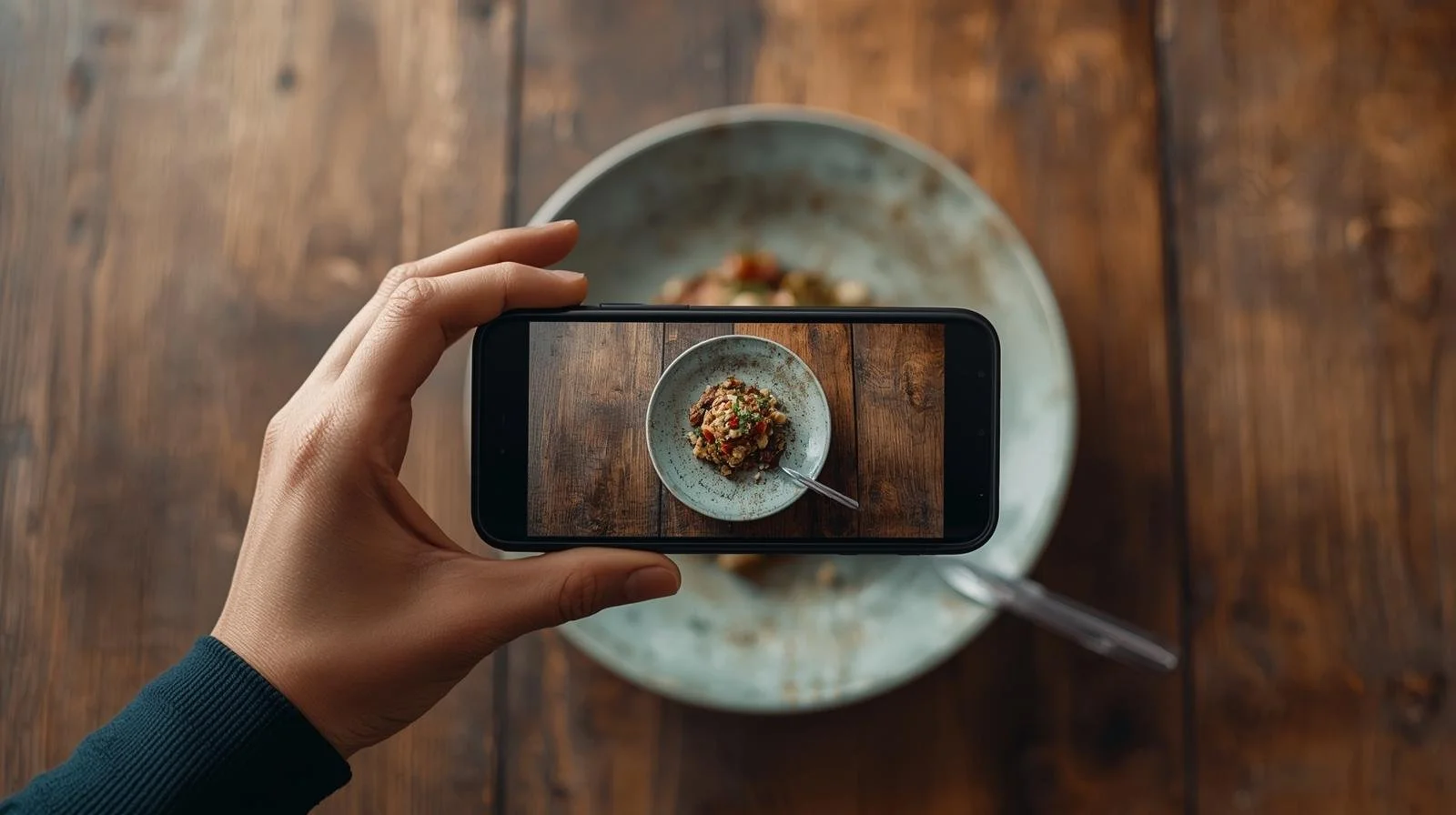
The Strategic Guide to Food Tracking: When, Why, and Which Apps Actually Work
Your quarterly nutrition assignment: track your intake for 1-2 weeks. That's it. Research shows this strategic approach provides the awareness you need without the mental load of daily tracking forever. I've broken down the BEST food tracking apps of 2026, complete with peer-reviewed evidence on why intermittent tracking works. Time to stop guessing and start knowing what's actually on your plate.
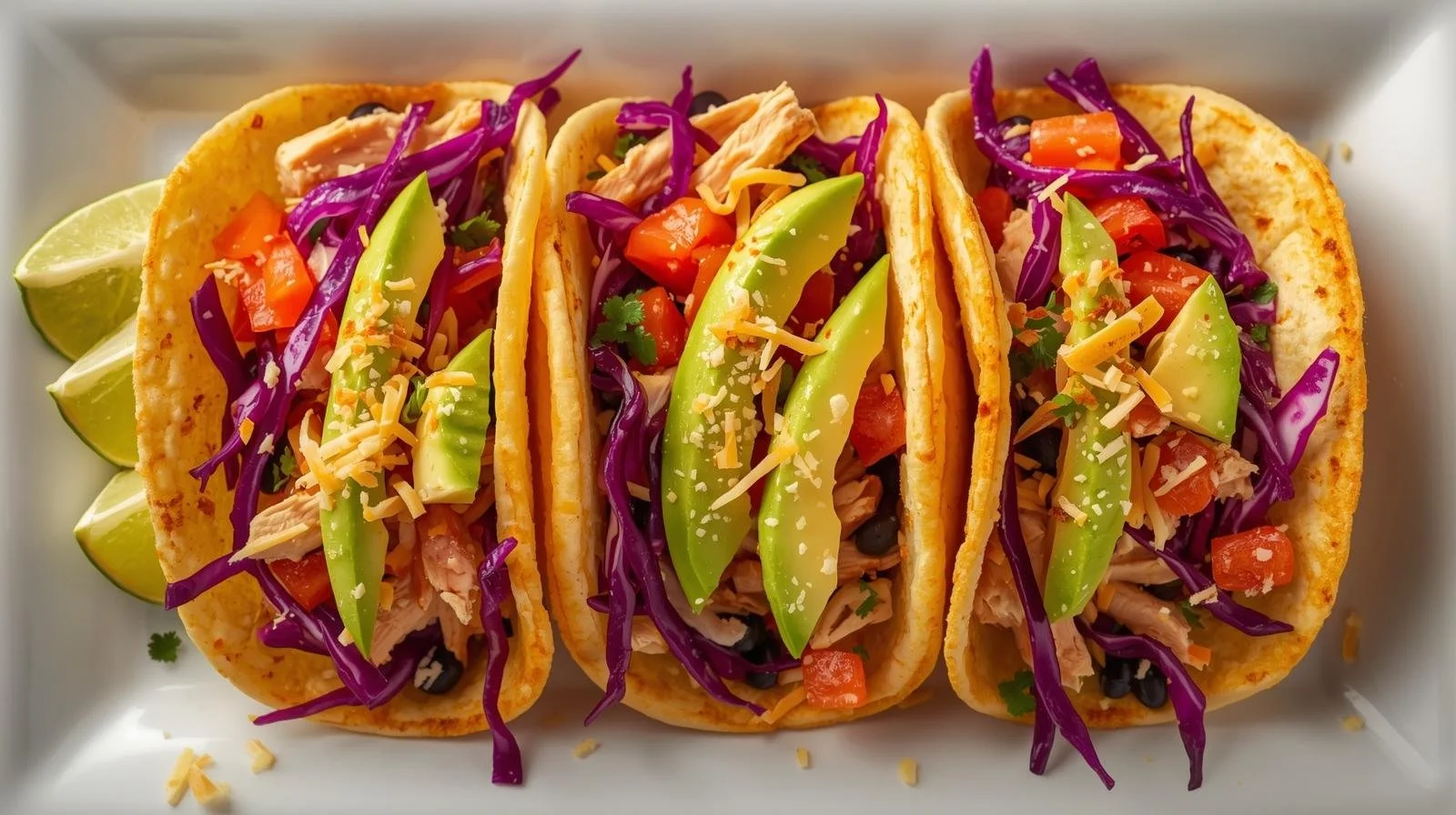
No Punt Intended: Super Bowl Party Food That Wins on Taste AND Nutrition
Who says game day food has to leave you feeling like you got sacked? 🏈 These RD-approved Superbowl recipes bring the flavor WITHOUT the fourth-quarter food coma. Turkey sliders, chicken tacos, and BBQ that'll make you the MVP of your watch party.
The 2025 Dietary Guidelines Just Dropped—and We Need to Talk About It
The 2025-2030 Dietary Guidelines for Americans (DGA): are they for sale? Great marketing techniques are used in the newest DGAs yet there are a few contradictions that muddy the waters. Find out why the DGA committee was trumped and how to proceed.
Fiber Up Without Freaking Out
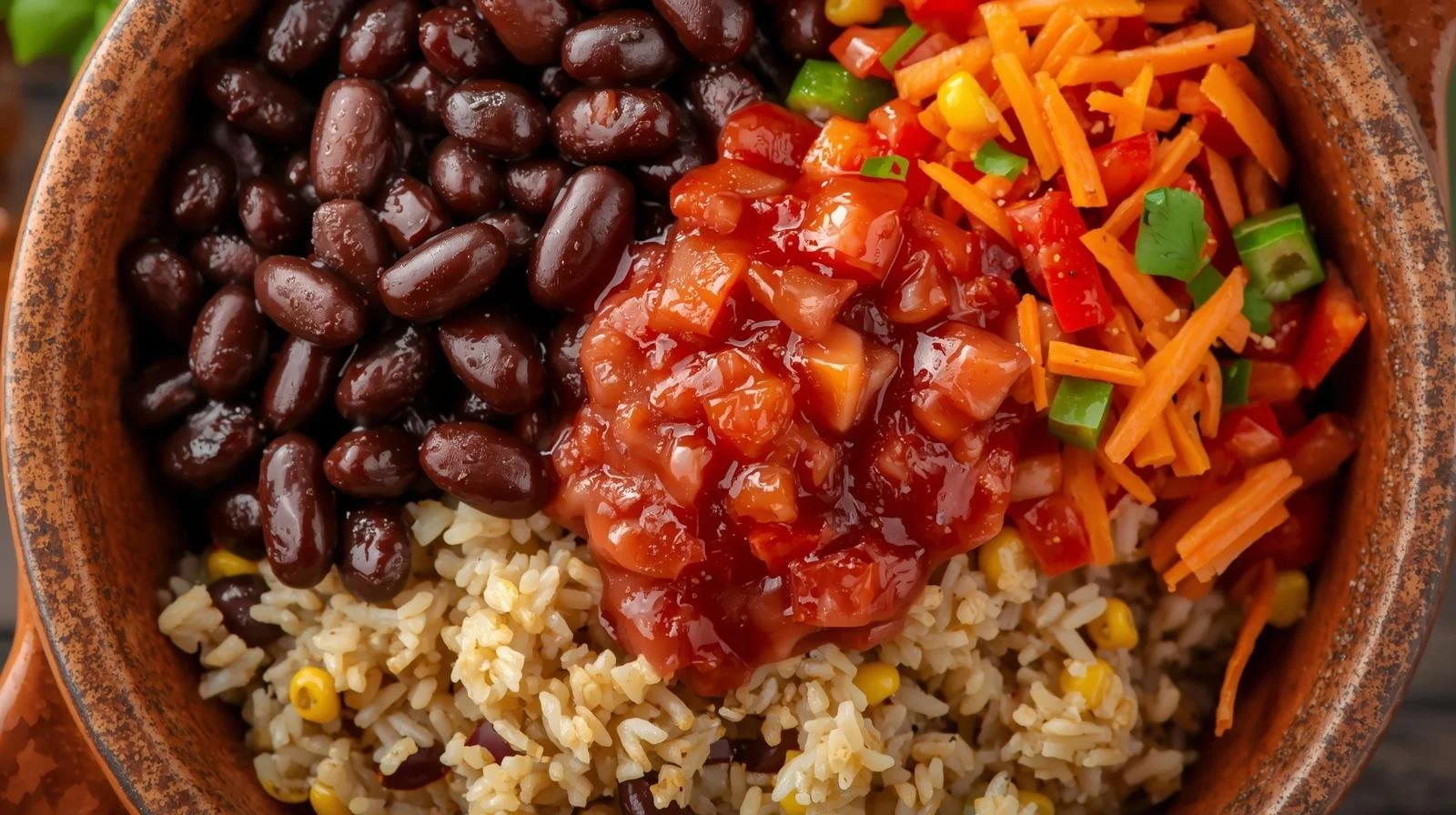
Have you sworn off high-fiber foods because of uncomfortable GI symptoms? You’re not alone. Learn how to gradually increase your fiber intake without sending your guts into shock.
The Tongue Scraper Manifesto: A Nutritionist’s Unlikely First Assignment
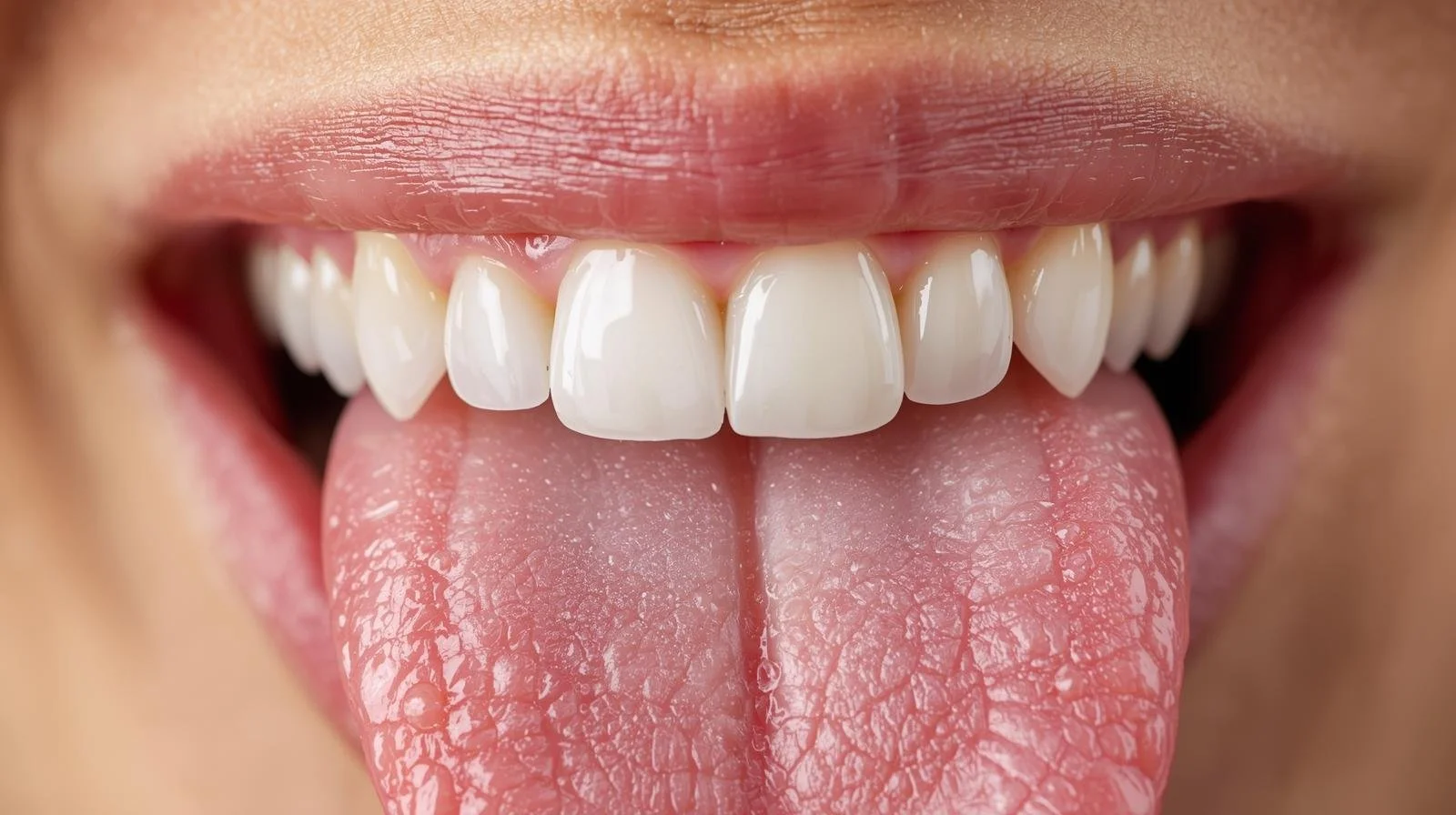
You can eat all the nutrient-dense, anti-inflammatory, microbiome-supporting foods in the world, but if your mouth is a microbial war zone, you're fighting an uphill battle. That's why my nutrition counseling starts with an unconventional first step: oral healthcare. Flossing and tongue scraping aren't dental extras—they're the foundation of your metabolic health journey.
5 Nutrients That'll Save Your Skin After 40
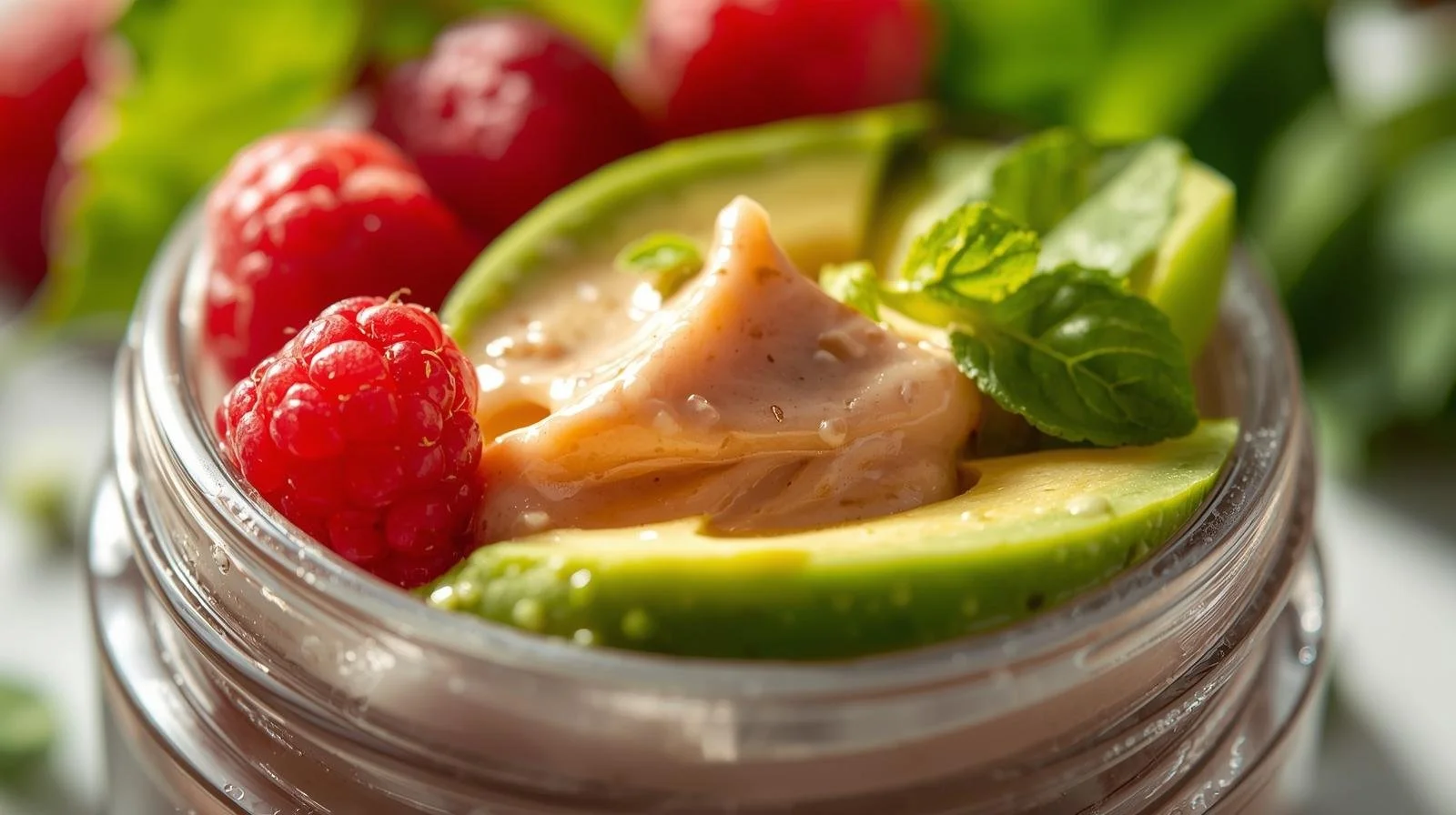
What if I told you the secret to radiant skin isn't in a $200 jar of cream? As a registered dietitian, I've got the science-backed scoop on five essential vitamins and minerals that work from the inside out to keep your skin looking youthful. Your future wrinkle-free self will thank you.
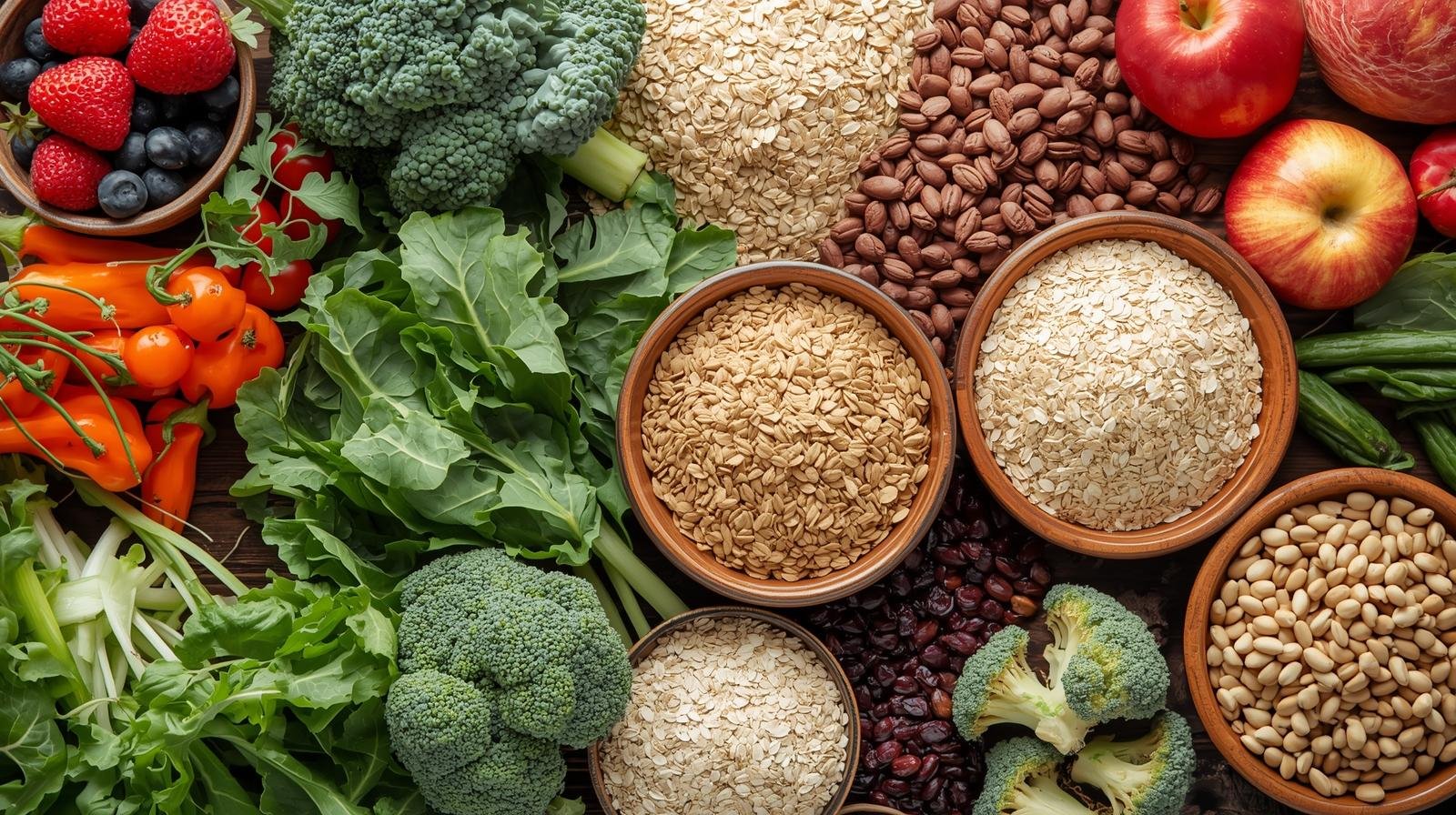
Fiber After 40: Your Secret Weapon for Feeling Fabulous
Not as sexy as protein, but worth twice it’s weight in Amazon gift cards, fiber is the nutrient to know. Learn how fiber helps you feel and look fabulous.