No Punt Intended: Super Bowl Party Food That Wins on Taste AND Nutrition
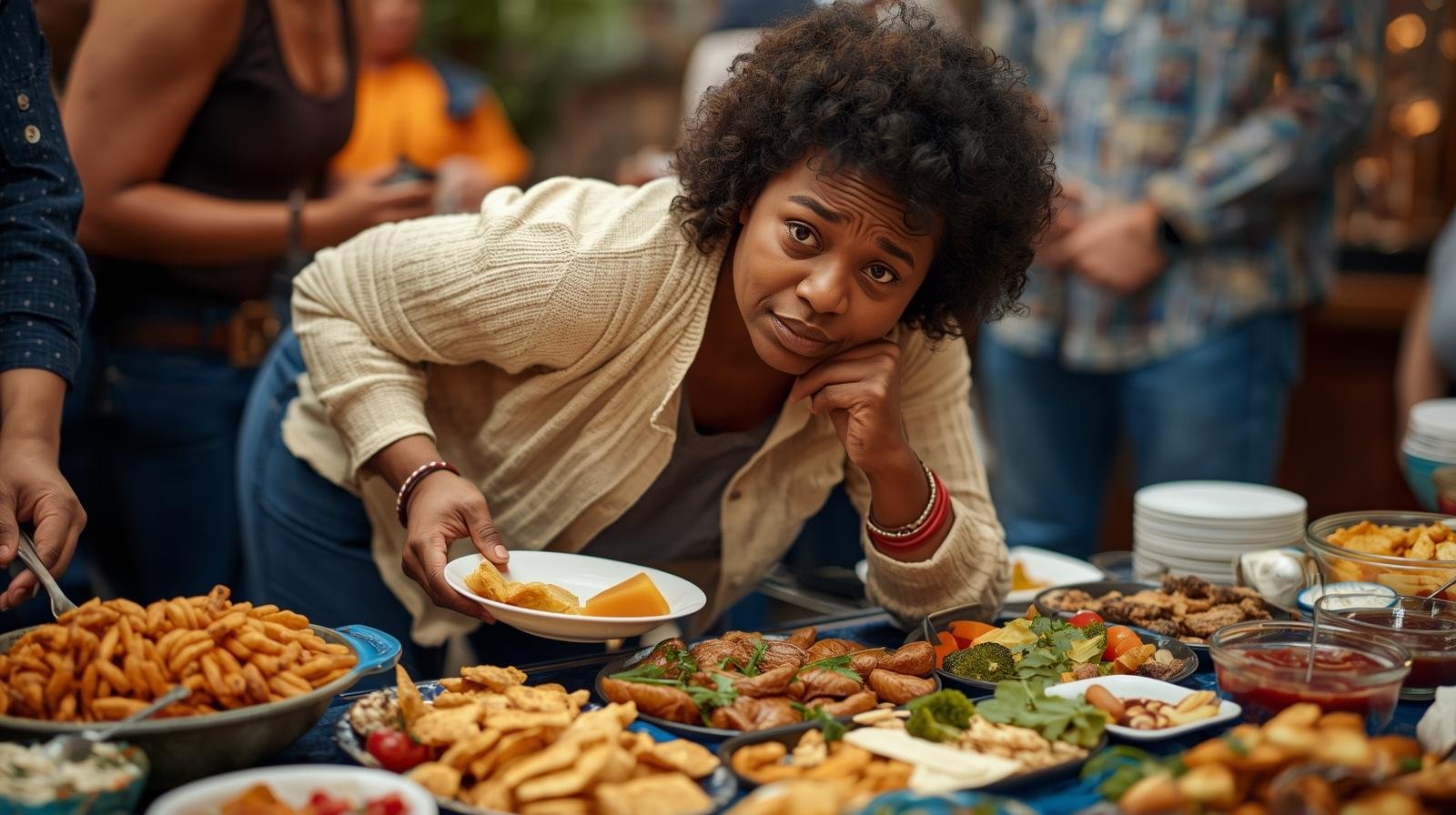
Frustrated woman leaning over a Superbowl party table with limited healthy options.
Listen, I love a good Super Bowl party as much as the next person. The energy, the commercials, the halftime show drama—chef's kiss. But let's be real: traditional game day spreads can leave you feeling like you just went twelve rounds with a linebacker. The sodium overload, the grease-induced food coma, the regret that sets in somewhere around the third quarter… we've all been there.
But here's the thing: healthy Super Bowl food doesn't have to taste like cardboard or look like you're hosting a sad office lunch. With a few strategic swaps and some actual flavor, you can create a spread that satisfies cravings, supports your health goals, and—most importantly—actually gets eaten.
As a registered dietitian who refuses to be the "fun police" at parties, I've developed a game plan for Super Bowl Sunday that checks all the boxes. Let's break down the playbook.
Why Your Typical Super Bowl Spread Might Be Tackling Your Health
Before we dive into solutions, let's talk about what we're up against. Traditional game day fare is notoriously high in sodium, saturated fat, and refined carbohydrates—a trifecta that can spike blood pressure, promote inflammation, and leave you crashed on the couch before the game even ends[1][2].
The average American already consumes about 3,400 mg of sodium per day—well above the recommended 2,300 mg limit[3]. Add in typical party foods like buffalo wings (1,000+ mg sodium per serving), loaded nachos, and processed dips, and you're looking at a sodium bomb that can cause bloating, water retention, and increased cardiovascular strain[4].
But it's not just about what we're eating too much of—it's also about what's missing. Most Super Bowl spreads are severely lacking in fiber, which is crucial for satiety, blood sugar regulation, and gut health[5]. When your menu is all chips, cheese, and chicken wings, you're missing out on the nutrients that actually make you feel good.
The good news? You don't have to choose between flavor and feeling good. Let's get into it.
The Winning Lineup: 7 Healthy Super Bowl Recipes That Actually Deliver
Here are a few nutrient-dense, flavorful options to consider. (Remember, you can replace animal protein with plant protein for even more fiber.)
1. Turkey Burger Sliders with Swiss Cheese and Tomato
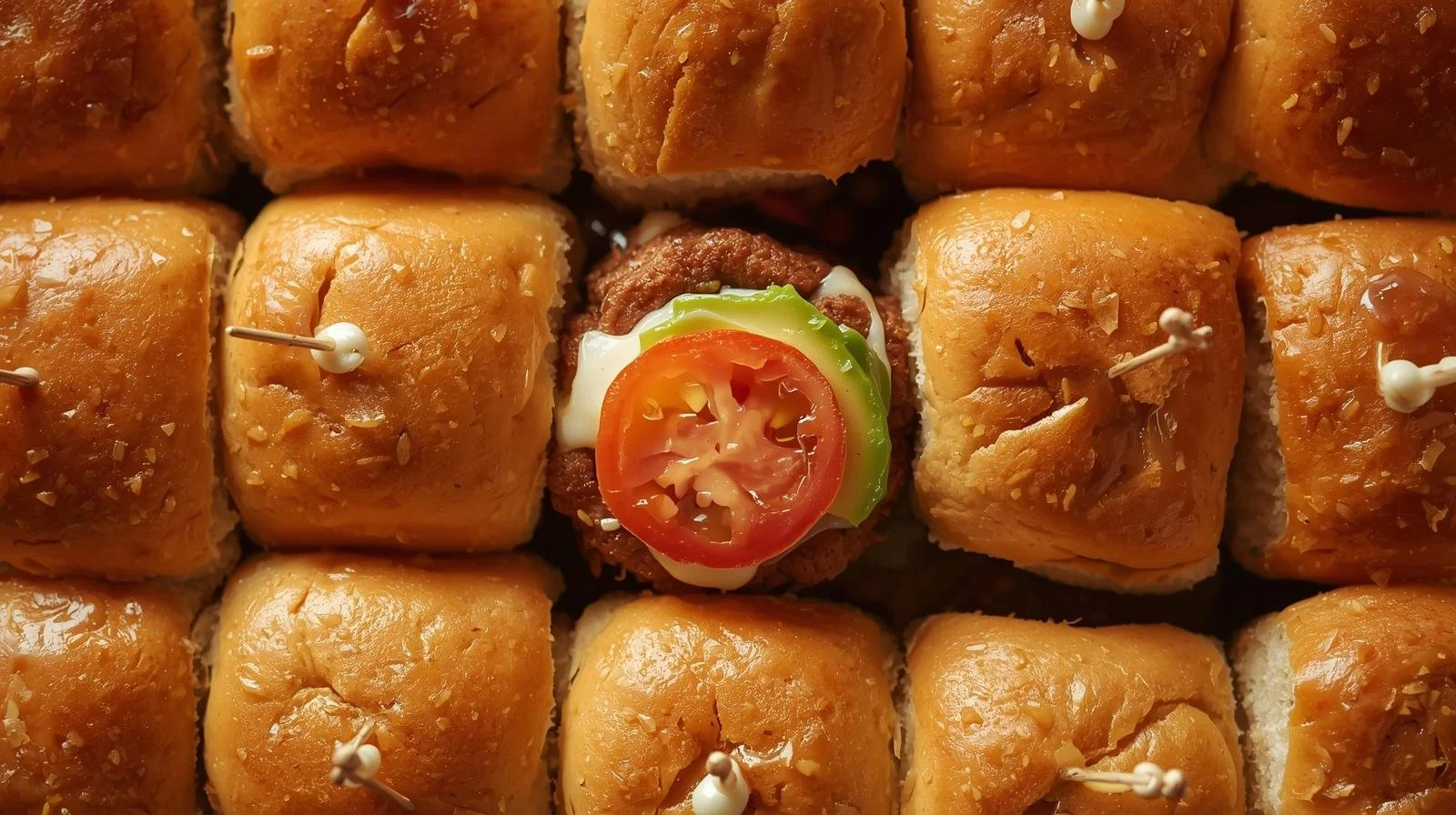
Turkey burger sliders with swiss cheese, avocado, and tomato.
Why they score: Ground turkey (93% lean) provides high-quality protein with significantly less saturated fat than traditional beef sliders. Protein is essential for satiety and helps stabilize blood sugar, preventing the energy crashes that come with carb-heavy snacking[6]. Swiss cheese adds calcium and additional protein, while tomatoes bring lycopene—an antioxidant associated with reduced inflammation and cardiovascular benefits[7].
The Recipe:
1 lb ground lean turkey (93% lean) - divide into 8 equal portions
8 slider buns
Sliced Swiss cheese (folded in quarters to top each patty)
2 Roma tomatoes, sliced
1 avocado, sliced
Pro tip: The avocado adds heart-healthy monounsaturated fats and fiber, plus it makes these sliders Instagram-worthy. Season your turkey patties with garlic powder, onion powder, and black pepper instead of salt to keep sodium in check.
2. Lime Chicken Tacos
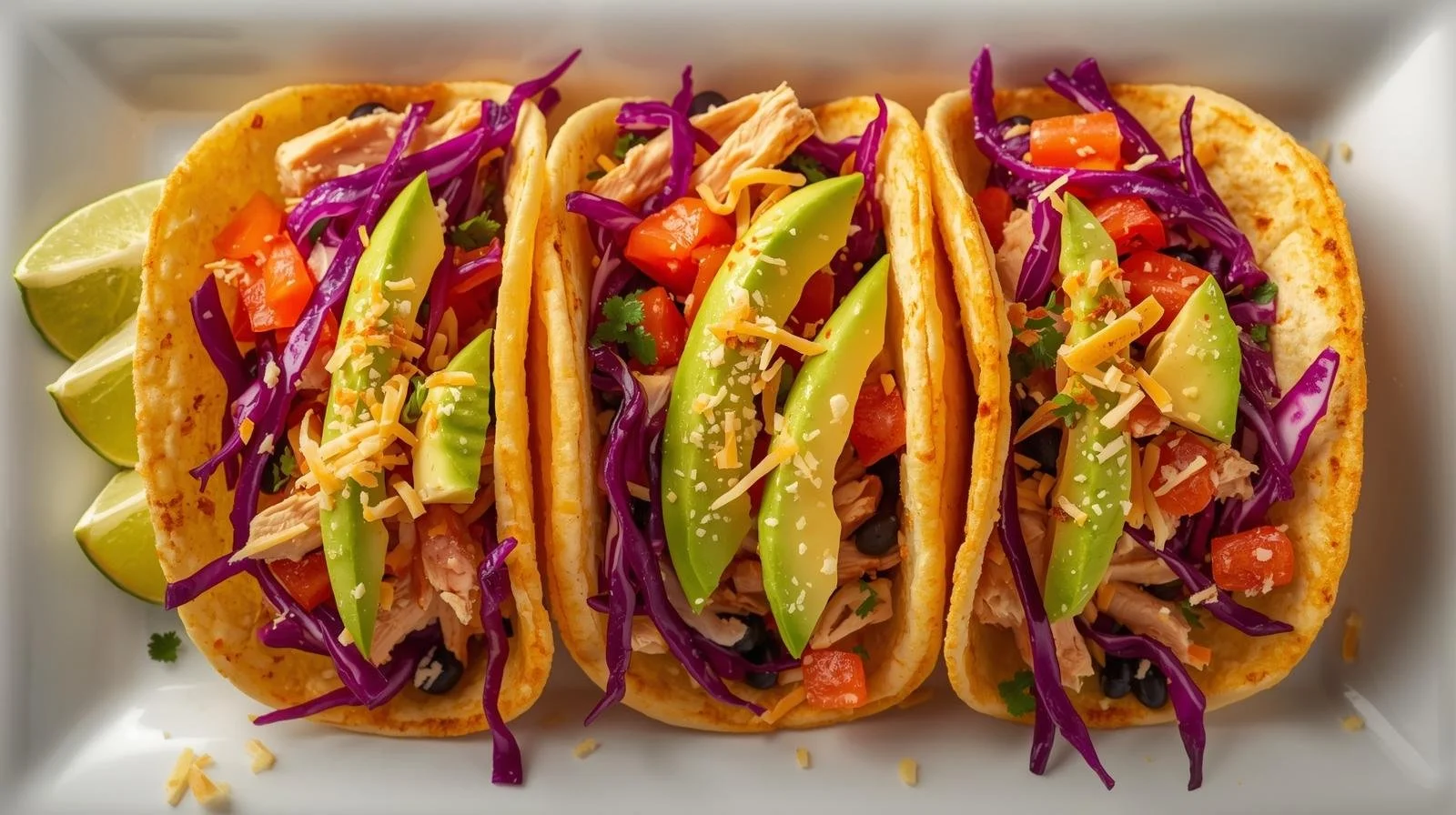
Lime chicken tacos in a corn tortilla shells with black beans, purple cabbage, diced tomatoes, and some shredded cheese.
Why they score: Using rotisserie chicken is a time-saver that still delivers lean protein without the prep work. The cabbage slaw provides fiber and cruciferous vegetables, which support gut health and contain compounds that may reduce cancer risk[8]. Lime juice adds vitamin C and brightens flavors without added sodium.
The Recipe:
For the chicken:
32 oz rotisserie chicken, shredded
1 Tbsp olive oil
Juice of 2 limes
For the slaw:
10 oz bag shredded cabbage
1 green onion, finely chopped
1 bunch cilantro, washed and chopped
2 Tbsp mayo
Juice of 2 limes
2 Tbsp salsa
Toppings:
Old El Paso 'Stand and Stuff' taco shells
Pico de gallo
1 can no-salt-added corn, rinsed
1 can no-salt-added black beans, rinsed
Assembly: If your shredded chicken seems dry, mix the olive oil and lime juice in a bowl and toss with the chicken. Combine cabbage, green onion, and cilantro. Whisk together mayo, lime juice, and salsa for the dressing, then toss with the cabbage mixture. For extra fiber and nutrients, rinse the corn and black beans and mix them into the slaw.
Why this works: You're getting fiber from the beans (about 7g per half cup)[9], vegetables for micronutrients, and lean protein—all while keeping sodium low by choosing no-salt-added canned goods.
3. Fruit That Will Actually Be Eaten
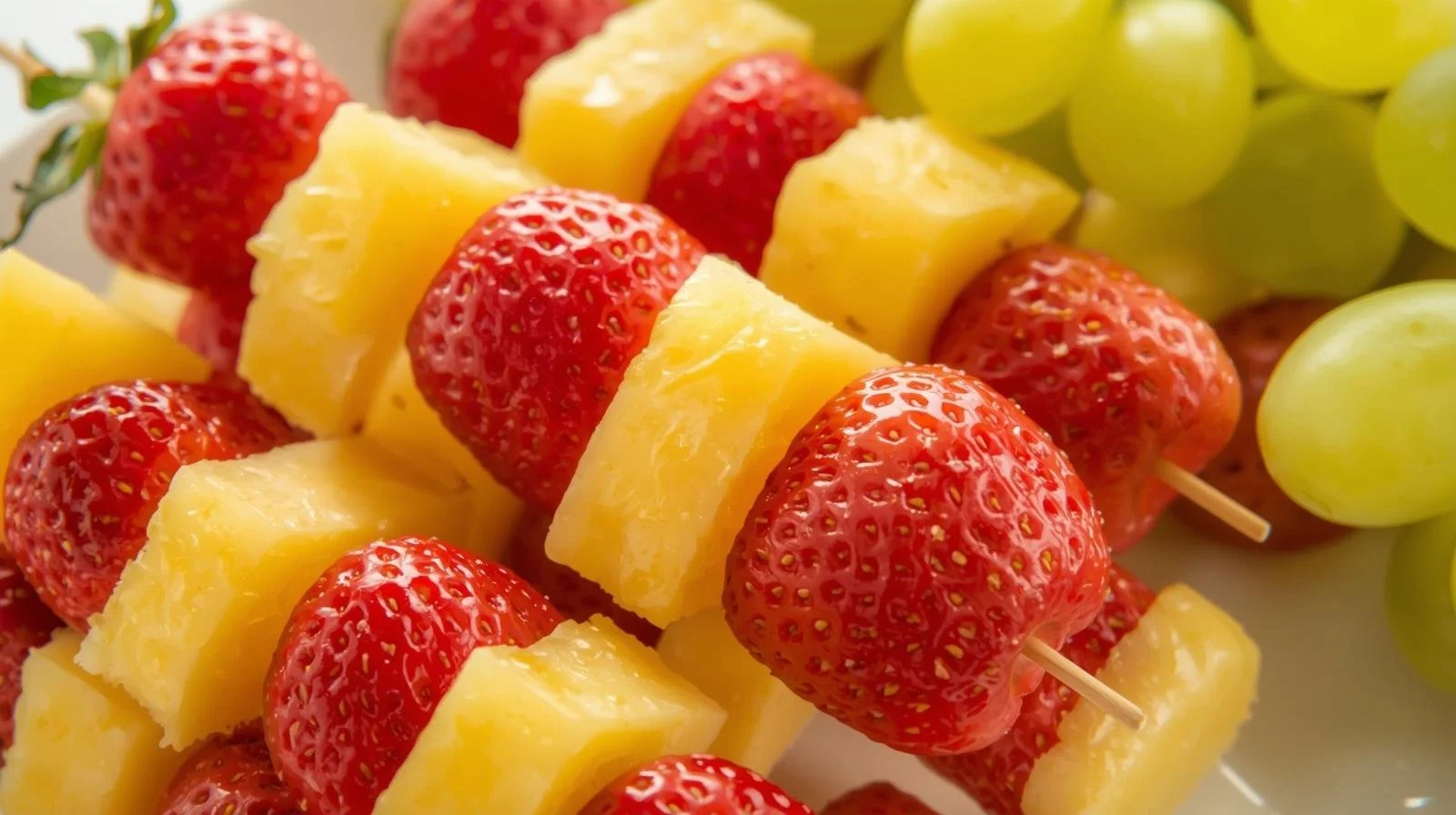
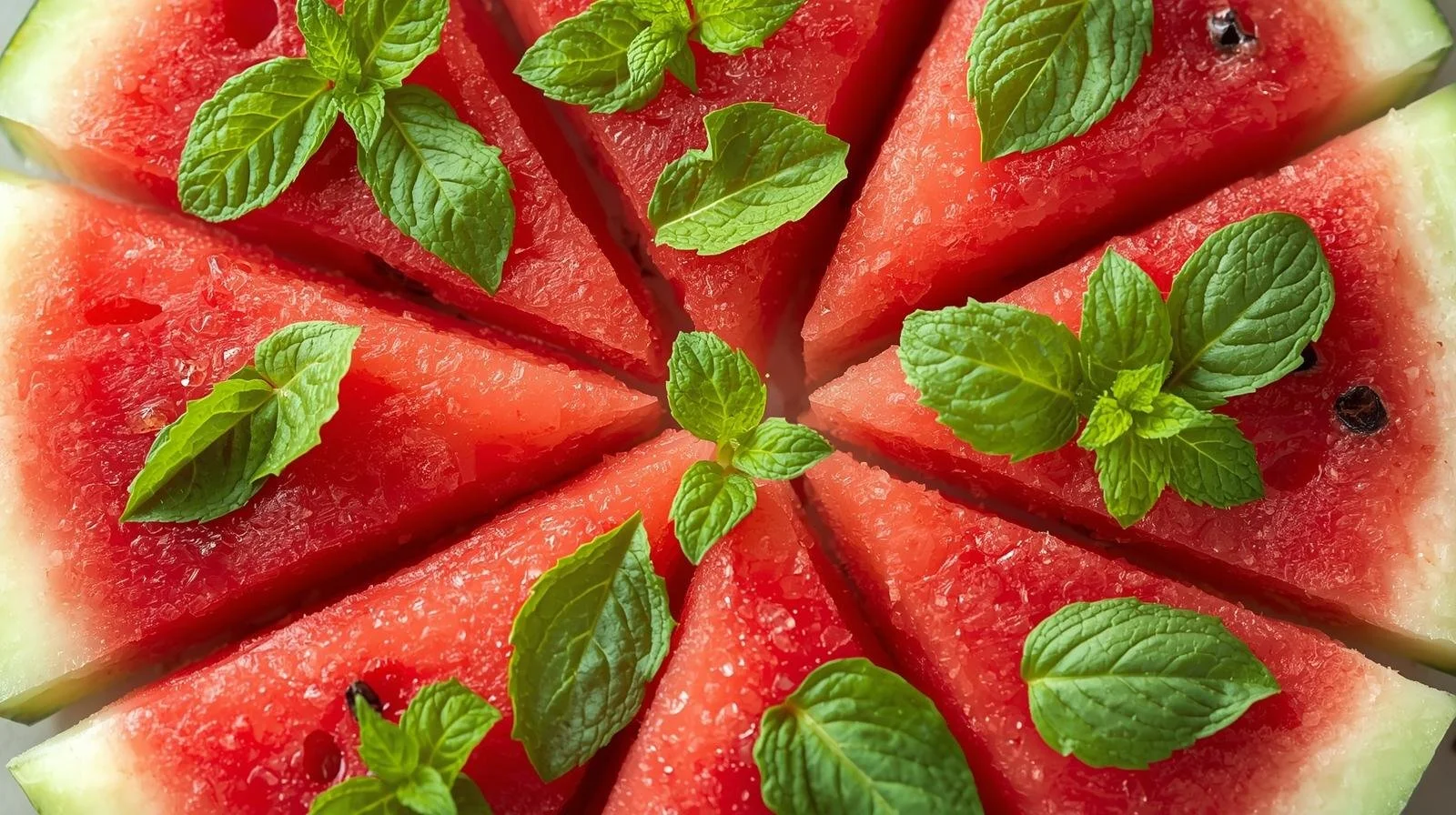

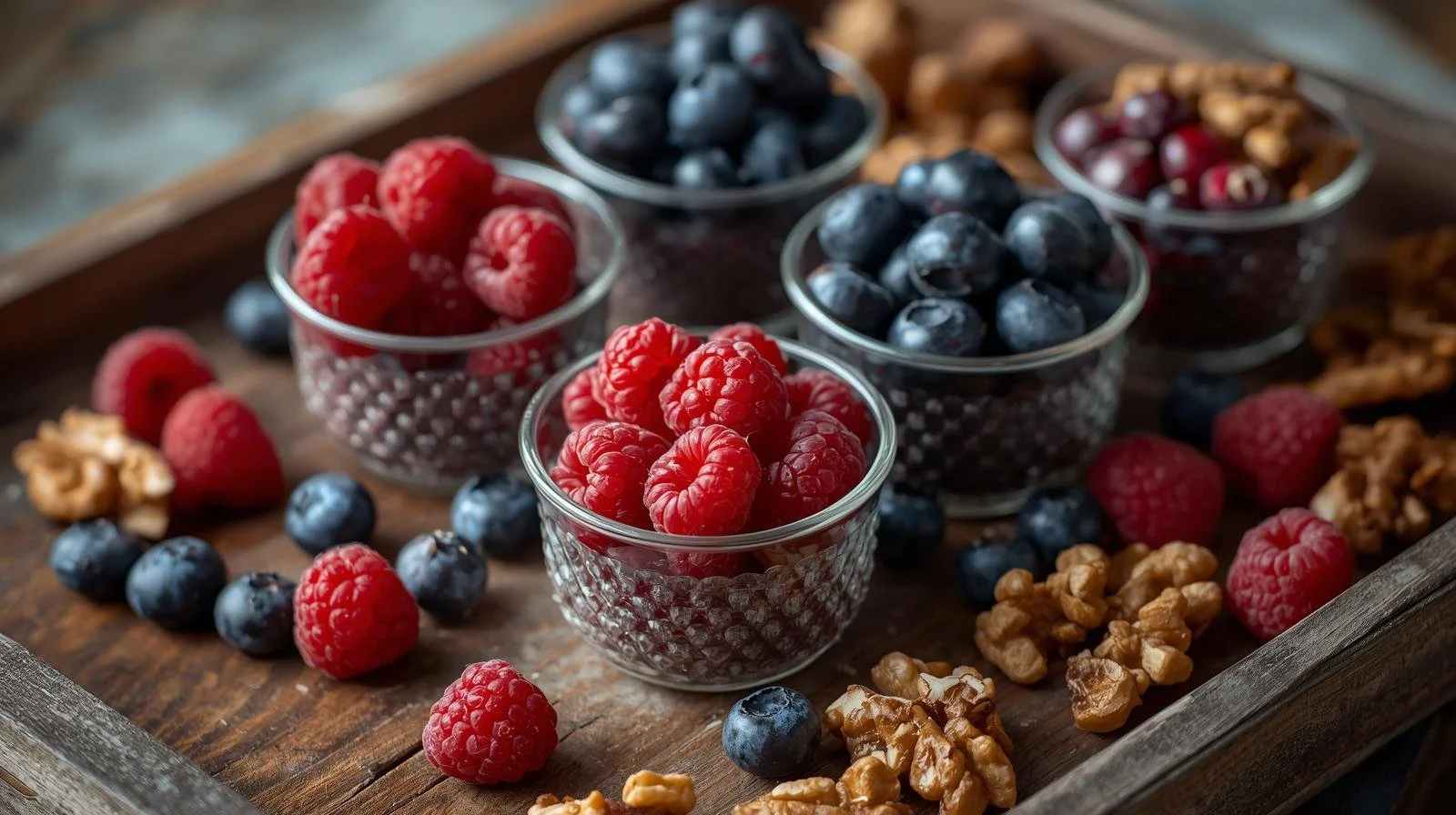
Let's address the elephant in the room: nobody eats the fruit tray. Why? Because it's usually an afterthought—some sad honeydew chunks and grapes that look like they've seen better days.
The fix: Make it fun and accessible. Try:
Fruit skewers with strawberries, pineapple, and grapes
Watermelon "pizza" cut into triangles and topped with mint
Apple nachos with thin apple slices, a drizzle of almond butter, dark chocolate chips, and coconut flakes
Berry cups with individual servings of raspberries, blueberries, and blackberries accompanied by unsalted walnuts.
Fruit provides fiber, antioxidants, and natural sweetness that can satisfy cravings without the refined sugar crash[10]. Plus, the polyphenols in berries support cardiovascular health and may reduce inflammation[11].
4. Veggie Tray (But Make It Better)
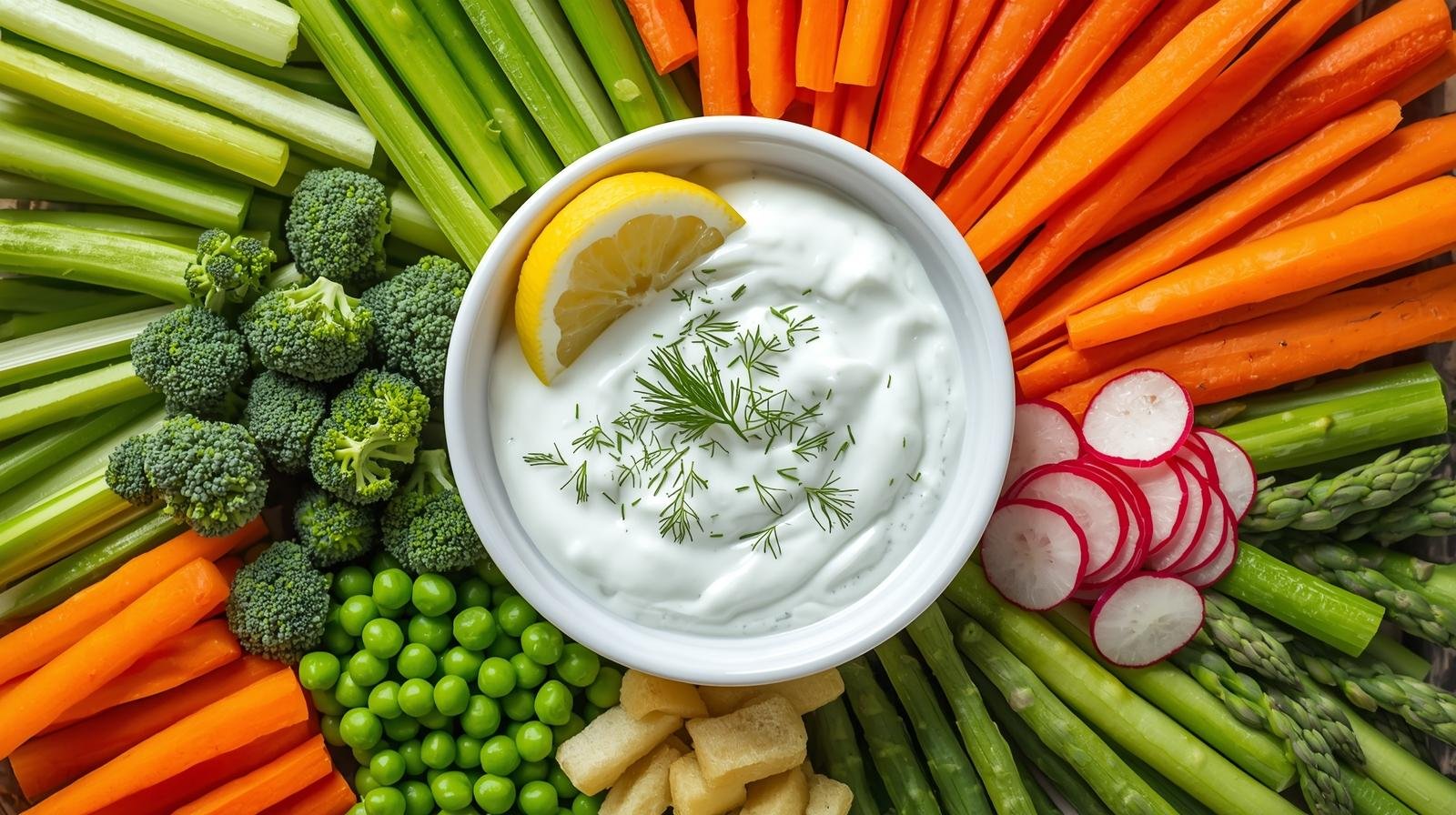
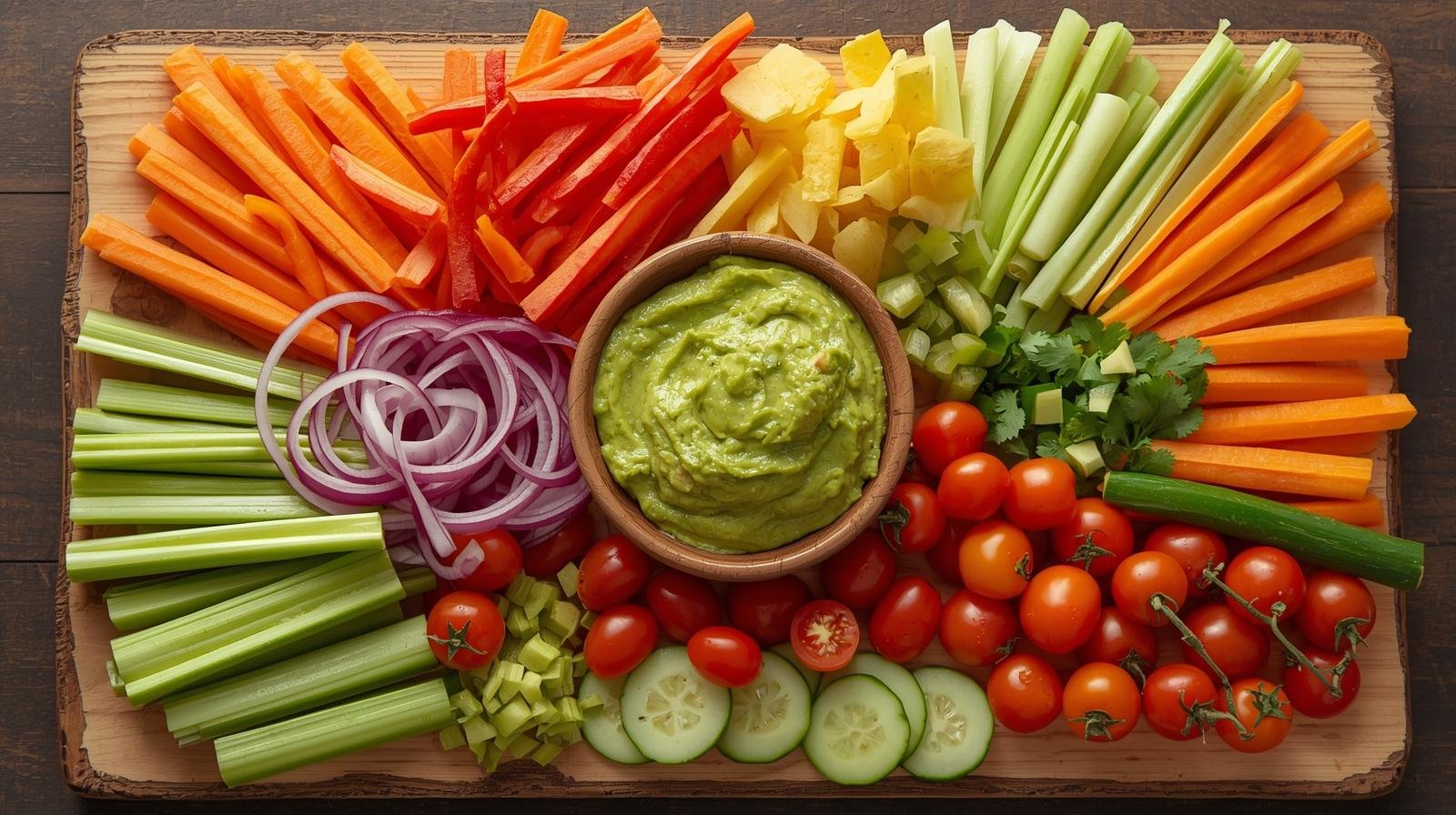


Same problem as fruit: veggie trays are usually boring and get ignored. Solution: Elevate your presentation and dip game.
Instead of ranch from a bottle, try:
Greek yogurt dip with dill, garlic, and lemon
Hummus with roasted red peppers
Guacamole (which, yes, is basically a vegetable dip)
Include vegetables with different textures and colors:
Bell peppers (red, yellow, orange for visual appeal)
Cherry tomatoes
Cucumber rounds
Sugar snap peas
Carrots
Why it matters: Vegetables provide fiber, vitamins, minerals, and phytonutrients that support overall health and help fill you up with fewer calories[12]. The more colorful your plate, the broader the range of antioxidants you're consuming.
5. Salt-Free Chips with Salsa

Salt-free chips (no salt added) and pico de gallo are a great game-day snack.
Why they score: Traditional tortilla chips can pack 150+ mg of sodium per ounce[13]. By choosing salt-free or low-sodium options, you're significantly reducing your sodium load while still getting that satisfying crunch.
Salsa is a nutritional MVP: It's low in calories, provides vegetables (tomatoes, onions, peppers), and adds flavor without heavy fats or sodium. Tomatoes in salsa contain lycopene, which has been associated with reduced risk of cardiovascular disease[14].
Level up: Look for fresh salsa in the refrigerated section, or make your own by combining diced tomatoes, red onion, jalapeño, cilantro, lime juice, and a pinch of salt (you control the amount).
6. Slow-Cooked BBQ Chicken

Slow-cooked, boneless, skinless barbecue chicken.
Why it scores: This is the ultimate set-it-and-forget-it recipe. Boneless, skinless chicken breast is one of the leanest protein sources available, and slow cooking keeps it moist without added fats[15].
The Recipe:
2-3 lbs boneless, skinless chicken (breasts or thighs)
1 bottle Stubb's Original Barbecue Sauce (or your favorite brand)
Cook in a crockpot on medium for 2-3 hours until chicken is cooked through (internal temp of 165°F). Shred with two forks.
Pro tip: Check your BBQ sauce label. Some brands pack 300+ mg sodium per 2 Tbsp. Stubb's Original is a solid middle-ground option, but if you're watching sodium closely, look for reduced-sodium varieties or make your own with tomato paste, vinegar, molasses, and spices.
7. BBQ Chicken Salad

Multipurpose ingredients from other dishes can be thrown on a bed of lettuce to make a wonderful salad.
Why it scores: This is how you transform leftovers into a nutritional powerhouse. Starting with a base of chopped romaine gives you fiber, vitamins A and K, and folate[16]. Layer on the cabbage slaw and black beans from your tacos, BBQ chicken, crushed tortilla chips for crunch, and a sprinkle of cheddar cheese.
Why this works: You're getting protein, fiber, healthy fats, and tons of vegetables in one bowl. The combination of textures (creamy, crunchy, tangy) makes it satisfying, and the protein-fiber combo will keep you full through overtime.
The Nutrition Playbook: Why These Swaps Matter
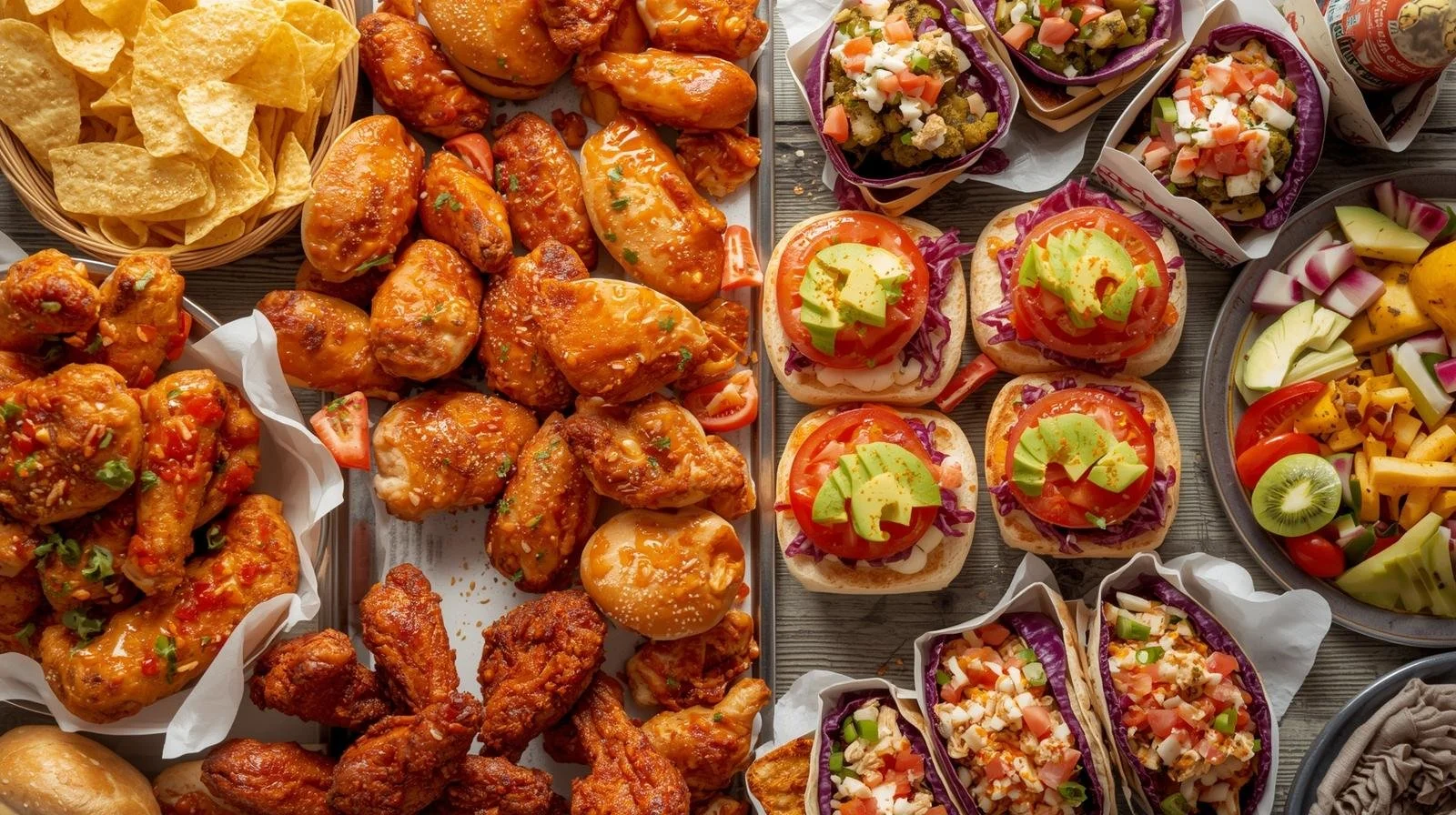
Swap the greasy, monotone, bloat-inducing options for colorful, moderately salted, nutrient-filled ones that smack with flavor.
Let's zoom out and talk strategy. Here's what you're accomplishing with this menu:
1. Protein Power Every recipe centers around lean protein (turkey, chicken). Protein increases satiety more effectively than carbohydrates or fats, meaning you'll feel satisfied with less food and avoid the mindless munching trap[17].
2. Fiber Forward Between the beans, vegetables, and whole food choices, you're dramatically increasing the fiber content of your spread. Most Americans consume only 10-15g of fiber per day when they should be getting 25-38g[18]. This menu helps close that gap.
3. Sodium Sanity By choosing no-salt-added canned goods, making your own dressings, and using fresh ingredients, you're slashing sodium content without sacrificing flavor. Your blood pressure (and your wedding ring finger) will thank you the next day.
4. Nutrient Density Every dish provides vitamins, minerals, and phytonutrients that support overall health—not just empty calories. You're fueling your body, not just filling it.
Game Day Game Plan: Prep Tips
Friday night:
Grocery shop for all ingredients
Shred the rotisserie chicken and store in an airtight container
Make the cabbage slaw and store in the fridge
Saturday:
Prep the veggie tray and fruit displays
Form turkey patties and store in the fridge
Set up your crockpot ingredients (but don't turn it on yet)
Sunday morning:
Start the crockpot BBQ chicken (2-3 hours before guests arrive)
Slice tomatoes and avocados for sliders (wait until closer to party time to prevent browning)
Right before kickoff:
Cook turkey sliders on a griddle or grill
Assemble taco bar with all toppings in separate bowls
Set everything out buffet-style
The Bottom Line
You don't have to sacrifice your health goals to enjoy Super Bowl Sunday. With a little planning and some strategic swaps, you can create a spread that's genuinely delicious, satisfying, and actually good for you.
Your guests won't feel deprived—they'll feel energized. You won't wake up Monday morning bloated and regretful—you'll wake up ready to tackle the week. And honestly? That's the real win.
Now get out there and show that Super Bowl spread who's boss. 🏈

You can see good nutrition at the game when you add lively colors, textures, and flavors to the table. Enjoy!
References
[2] Mozaffarian D. (2016). Dietary and policy priorities for cardiovascular disease, diabetes, and obesity: A comprehensive review. Circulation, 133(2), 187-225. DOI: 10.1161/CIRCULATIONAHA.115.018585
[3] Centers for Disease Control and Prevention. (2021). Sodium and the Dietary Guidelines. Retrieved from https://www.cdc.gov/salt/index.htm
[4] He FJ, MacGregor GA. (2015). Salt reduction lowers cardiovascular risk: meta-analysis of outcome trials. Lancet, 378(9789), 380-382. DOI: 10.1016/S0140-6736(11)61174-4
[5] Reynolds A, et al. (2019). Carbohydrate quality and human health: a series of systematic reviews and meta-analyses. Lancet, 393(10170), 434-445. DOI: 10.1016/S0140-6736(18)31809-9
[6] Leidy HJ, et al. (2015). The role of protein in weight loss and maintenance. American Journal of Clinical Nutrition, 101(6), 1320S-1329S. DOI: 10.3945/ajcn.114.084038
[7] Cheng HM, et al. (2017). Tomato and lycopene supplementation and cardiovascular risk factors: A systematic review and meta-analysis. Atherosclerosis, 257, 100-108. DOI: 10.1016/j.atherosclerosis.2017.01.009
[8] Higdon JV, et al. (2007). Cruciferous vegetables and human cancer risk: epidemiologic evidence and mechanistic basis. Pharmacological Research, 55(3), 224-236. DOI: 10.1016/j.phrs.2007.01.009
[9] USDA FoodData Central. Black beans, canned, drained solids. Retrieved from https://fdc.nal.usda.gov/
[10] Slavin JL, Lloyd B. (2012). Health benefits of fruits and vegetables. Advances in Nutrition, 3(4), 506-516. DOI: 10.3945/an.112.002154
[11] Del Rio D, et al. (2013). Dietary (poly)phenolics in human health: structures, bioavailability, and evidence of protective effects against chronic diseases. Antioxidants & Redox Signaling, 18(14), 1818-1892. DOI: 10.1089/ars.2012.4581
[12] Aune D, et al. (2017). Fruit and vegetable intake and the risk of cardiovascular disease, total cancer and all-cause mortality. International Journal of Epidemiology, 46(3), 1029-1056. DOI: 10.1093/ije/dyw319
[13] USDA FoodData Central. Tortilla chips, regular. Retrieved from https://fdc.nal.usda.gov/
[14] Jacques PF, et al. (2013). Long-term nutrient intake and early age-related nuclear lens opacities. Archives of Ophthalmology, 119(7), 1009-1019. DOI: 10.1001/archopht.119.7.1009
[15] USDA FoodData Central. Chicken, broilers or fryers, breast, skinless, boneless, meat only, cooked. Retrieved from https://fdc.nal.usda.gov/
[16] USDA FoodData Central. Lettuce, cos or romaine, raw. Retrieved from https://fdc.nal.usda.gov/
[17] Paddon-Jones D, et al. (2008). Protein, weight management, and satiety. American Journal of Clinical Nutrition, 87(5), 1558S-1561S. DOI: 10.1093/ajcn/87.5.1558S
[18] Quagliani D, Felt-Gunderson P. (2017). Closing America's Fiber Intake Gap: Communication Strategies From a Food and Fiber Summit. American Journal of Lifestyle Medicine, 11(1), 80-85. DOI: 10.1177/1559827615588079