Fiber Up Without Freaking Out
Your 5-Gram-Per-Week Guide to Digestive Bliss
Picture this: You've just learned that fiber is basically the superhero of nutrients—fighting chronic disease, supporting digestive health, and keeping you fuller longer. Naturally, you're ready to dive headfirst into all the beans, whole grains, and vegetables your kitchen can hold. But wait! Before you transform into a fiber-eating machine overnight, let's talk about why your digestive system needs you to pump the brakes and take the scenic route instead.
The Fiber Gap Is Real (And You're Probably in It)

There is a huge gap in fiber intake. It’s time to “Mind the Gap.”
Here's a sobering fact: only 5% of men and 9% of women meet their daily fiber recommendations (1). The average American consumes a measly 16.2 grams of fiber per day (2), which is roughly half of what most of us need. Health guidelines recommend eating 14 grams of fiber for every 1,000 calories consumed (3), which translates to about 25-28 grams for women and 30-38 grams for men (4).
But before you panic-eat a family-size bag of prunes, remember: Rome wasn't built in a day, and neither is a fiber-friendly digestive system.
Why the Slow and Steady Approach Wins the Race
Think of your gut bacteria as tiny roommates who've gotten really comfortable with your current eating habits. When you suddenly flood their space with massive amounts of fiber they're not used to, they throw a protest—complete with bloating, gas, cramping, and other uncomfortable symptoms that make you reconsider all your life choices. (5, 6)
Research shows that when people drastically increase their fiber intake too quickly, they can experience significant gastrointestinal distress (7). However, studies have found that bodies gradually adjust within three to four weeks when fiber is introduced slowly (8).
The key? Give your microflora time to adapt to their new food supply.
The 5-Gram-Per-Week Game Plan
Here's your evidence-based roadmap to fiber success: increase your fiber intake by approximately 5 grams per week until you reach your goal (9, 10). This gradual approach allows your digestive system to adapt without staging a full-blown rebellion.
Week 1 Example: Currently eating 15 grams? Aim for 20 grams this week.
Week 2 Example: Made it to 20 grams? Level up to 25 grams.
Week 3 Example: Cruise into 30 grams territory.
You get the idea. Slow, steady, and no digestive drama.
The Dynamic Duo: Fiber + Hydration

Water throughout the day makes fiber move more smoothly.
Here's the plot twist: fiber and water are basically best friends, and you can't invite one to the party without the other. As you increase your fiber intake, you MUST also increase your fluid intake (11, 12). Fiber absorbs water to form a gel-like substance that helps soften stool and promotes healthy digestion. Without adequate hydration, you're setting yourself up for constipation and discomfort—the exact opposite of what we're going for.
For a comprehensive guide on staying properly hydrated, check out my post on chronic dehydration.
Your Fiber Menu: Foods & Meal Ideas by Gram Count
Now for the fun part—let's talk food! Here are delicious, fiber-rich options organized by their approximate fiber content to help you strategically build your daily intake.
2-3 Grams of Fiber
Individual Foods (13):
1 medium banana (3g)
1 medium orange (3g)
1 cup strawberries (3g)
1 ounce almonds, about 23 nuts (3.5g)
1 ounce pistachios, about 49 nuts (3g)
1 slice whole-wheat bread (2g)
1 slice rye bread (2g)
Meal Ideas:
Morning Toast Upgrade: 2 slices whole-wheat bread with 1 tablespoon almond butter = ~4-5g fiber
Snack Attack: 1 medium banana with 1 ounce almonds = ~6.5g fiber
Berry Parfait Base: 1 cup strawberries with Greek yogurt = ~3g fiber



4-6 Grams of Fiber
Individual Foods (13, 14):
1 medium apple with skin (4.5g)
1 medium pear (5.5g)
1 cup cooked oatmeal (4g)
1 cup cooked broccoli (5g)
1 cup cooked carrots (5g)
1 medium baked potato with skin (4g)
1 cup cooked sweet corn (4g)
1 cup cooked Brussels sprouts (4.5g)
¾ cup bran flakes (5.5g)
1 cup cooked whole-wheat spaghetti (6g)
1 cup cooked barley (6g)
1 cup cooked quinoa (5g)
1 oat bran muffin (5g)
Meal Ideas:
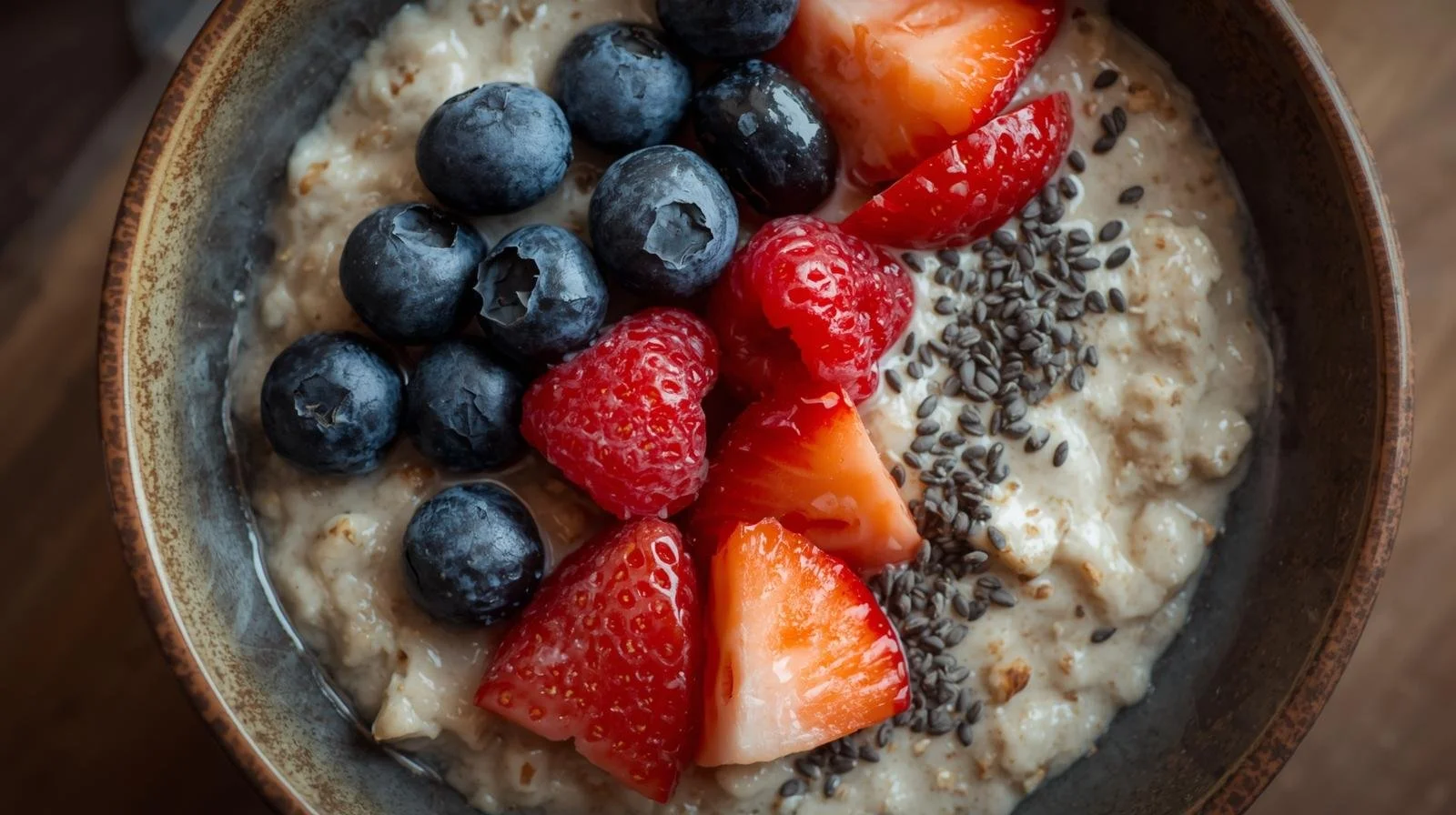
Breakfast Power Bowl: 1 cup oatmeal topped with ½ cup berries and 1 tablespoon chia seeds = ~10g fiber
Veggie-Packed Stir-Fry: 1 cup cooked broccoli + ½ cup carrots over 1 cup brown rice = ~9.5g fiber
Apple Snack Plate: 1 medium apple with 2 tablespoons peanut butter = ~5-6g fiber
Potato Perfection: 1 medium baked potato with skin, topped with Greek yogurt and chives = ~4g fiber


8-10 Grams of Fiber
Individual Foods (13):
1 cup raspberries (8g)
1 cup cooked green peas (9g)
1 ounce chia seeds (10g)
Meal Ideas:
Berry Blast Breakfast: 1 cup raspberries + 1 cup oatmeal + 1 ounce almonds = ~15.5g fiber
Green Pea Pasta: 1 cup whole-wheat pasta + 1 cup green peas + marinara sauce = ~15g fiber
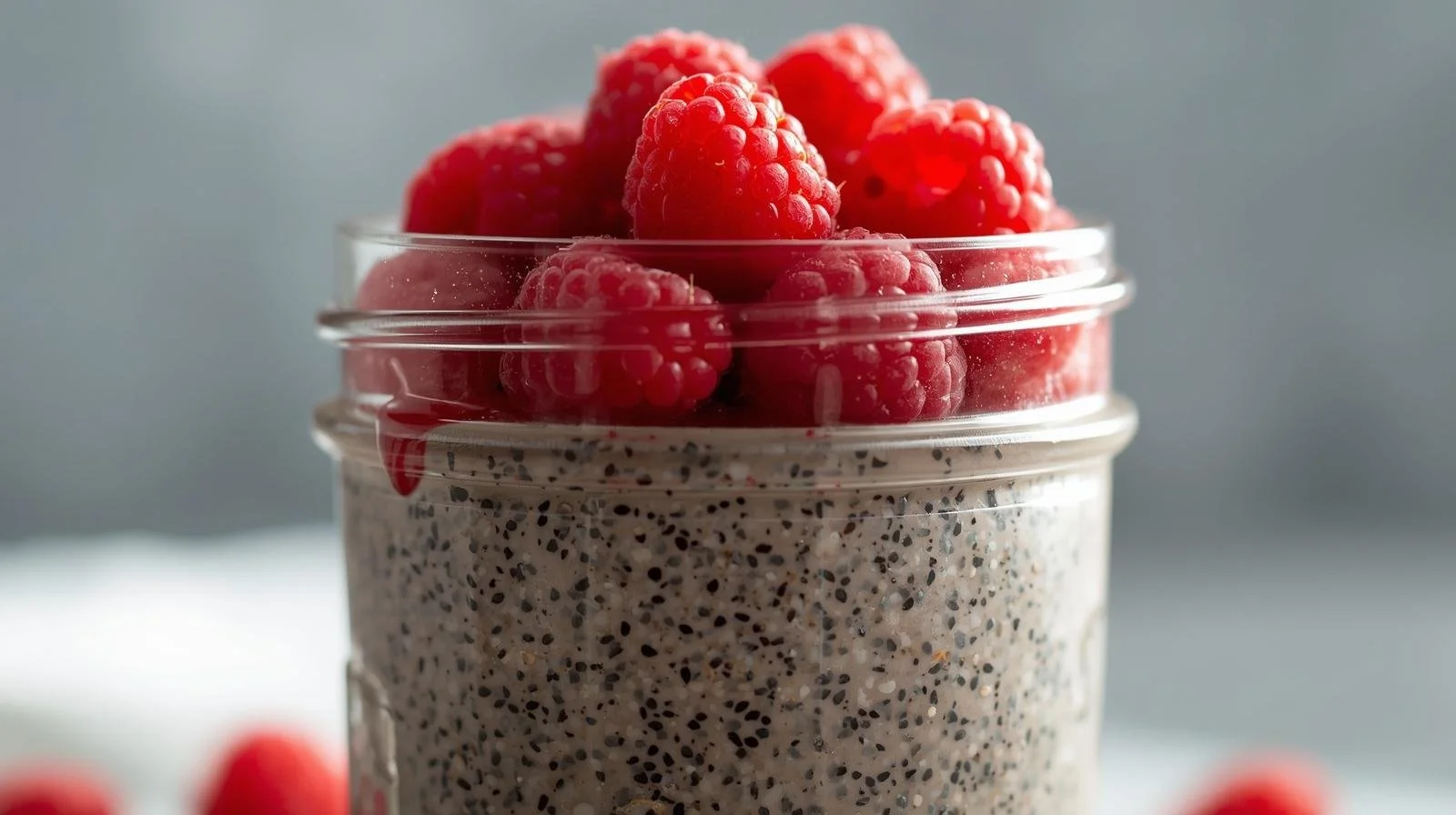
Chia Seed Pudding: Mix 1 ounce chia seeds with almond milk, top with ½ cup berries = ~12-14g fiber


13-16 Grams of Fiber (The Heavy Hitters)
Individual Foods (13):
1 cup cooked lentils (15.5g)
1 cup cooked black beans (15g)
1 cup cooked split peas (16g)
1 cup canned navy/Great Northern beans (13g)
Meal Ideas:
Lentil Soup Supreme: 1 cup lentils + 1 cup diced vegetables (carrots, celery, tomatoes) + whole grain roll = ~18-20g fiber
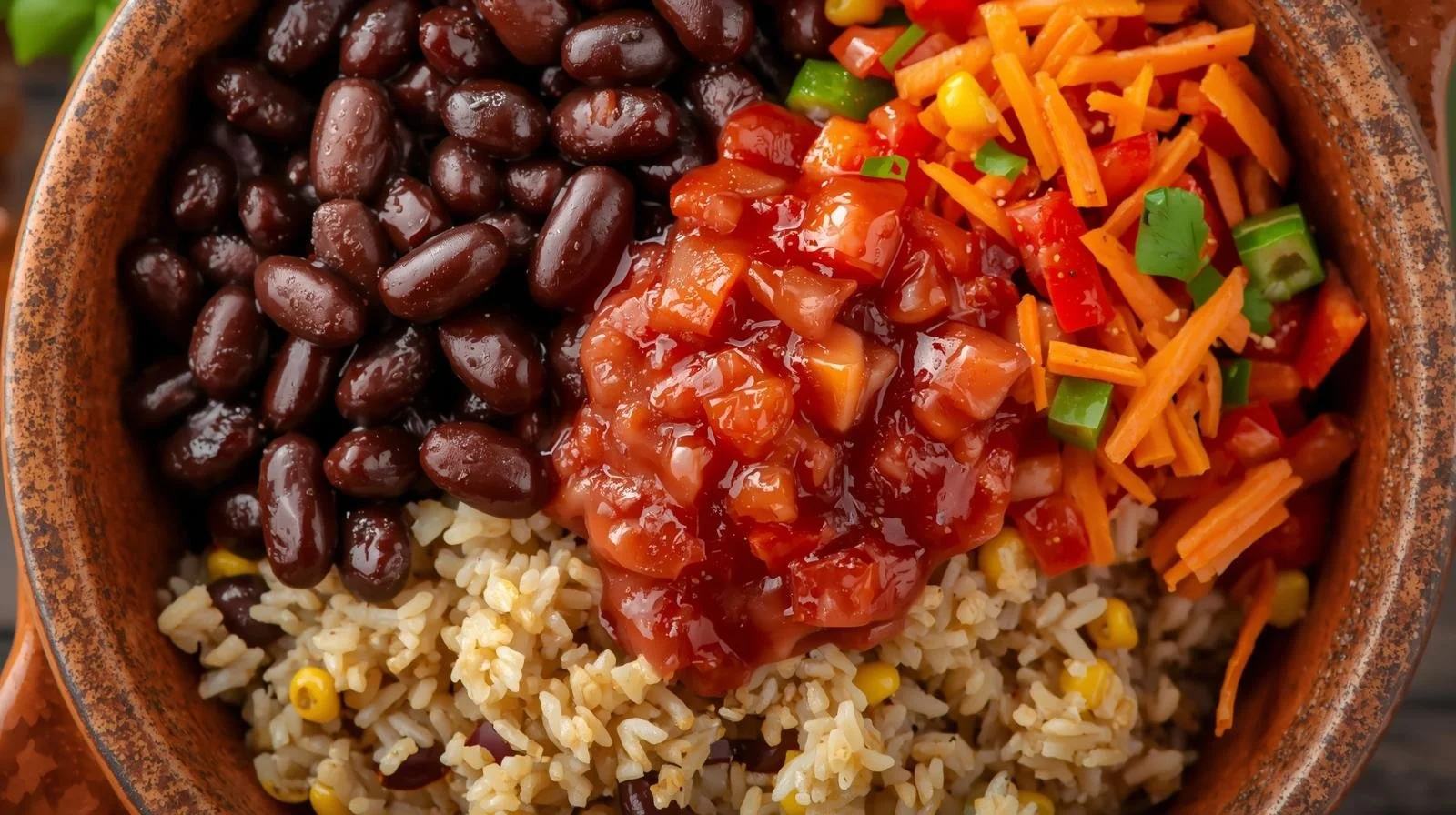
Burrito Bowl Bonanza: 1 cup black beans + 1 cup brown rice + vegetables + salsa = ~18-20g fiber
Bean & Veggie Salad: 1 cup mixed beans + 2 cups mixed greens + ½ cup cherry tomatoes + olive oil dressing = ~16-18g fiber
Hearty Chili: 1 cup black beans + 1 cup diced tomatoes + bell peppers + onions = ~17-19g fiber



Mix and Match for Success
The beauty of this approach is that you can combine foods strategically to hit your weekly targets. You can add more protein and healthy fats to these fiber-filled options: Here's what a day might look like when you're working toward 25-30 grams of fiber per day:
Sample Day (targeting ~27g fiber):
Breakfast: Oatmeal with raspberries and sliced almonds = ~13.5g
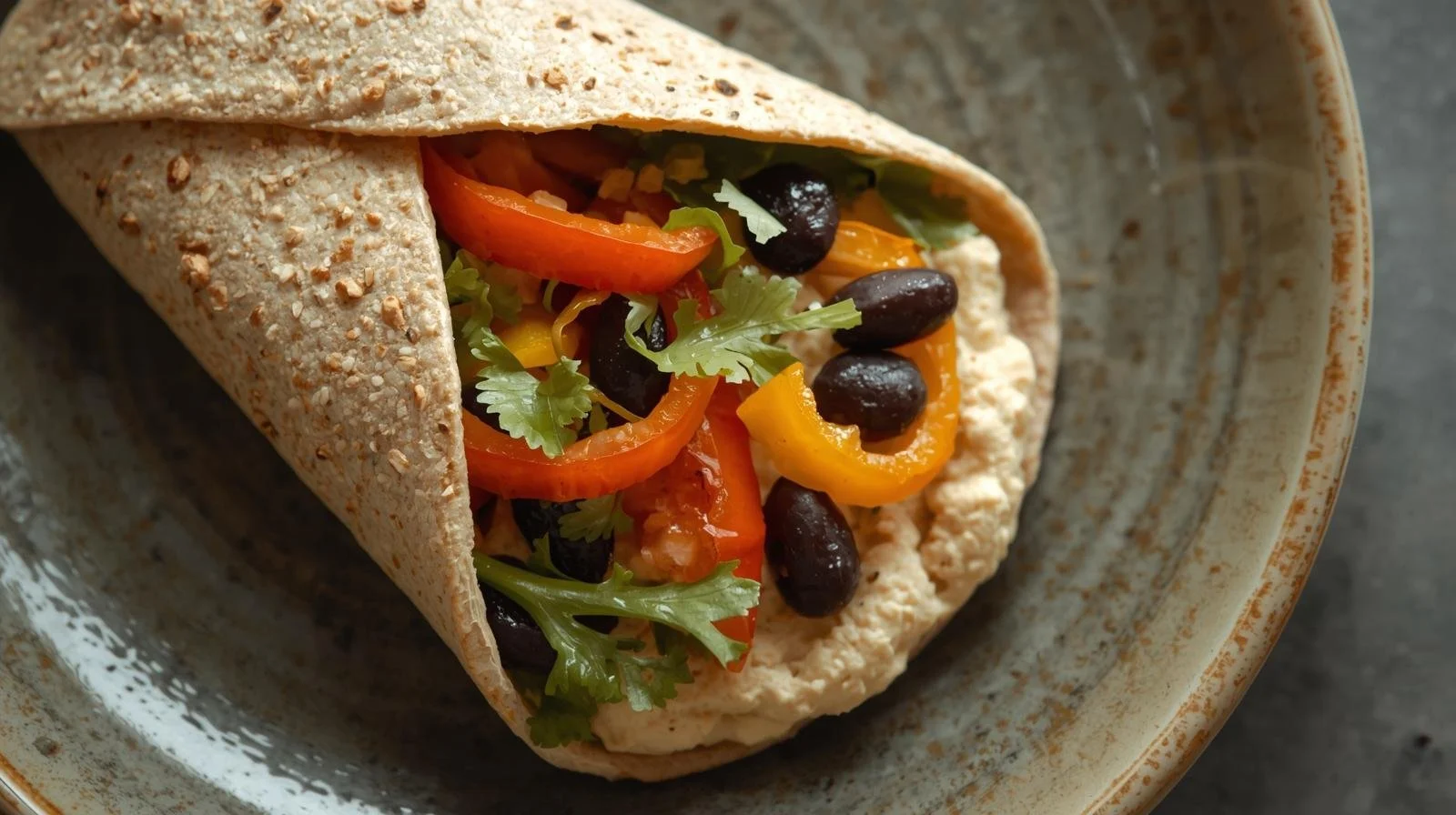
Lunch: Whole-wheat wrap with hummus, vegetables, and black beans = ~8-10g
Snack: Apple with 2 tablespoons peanut butter = ~5-6g
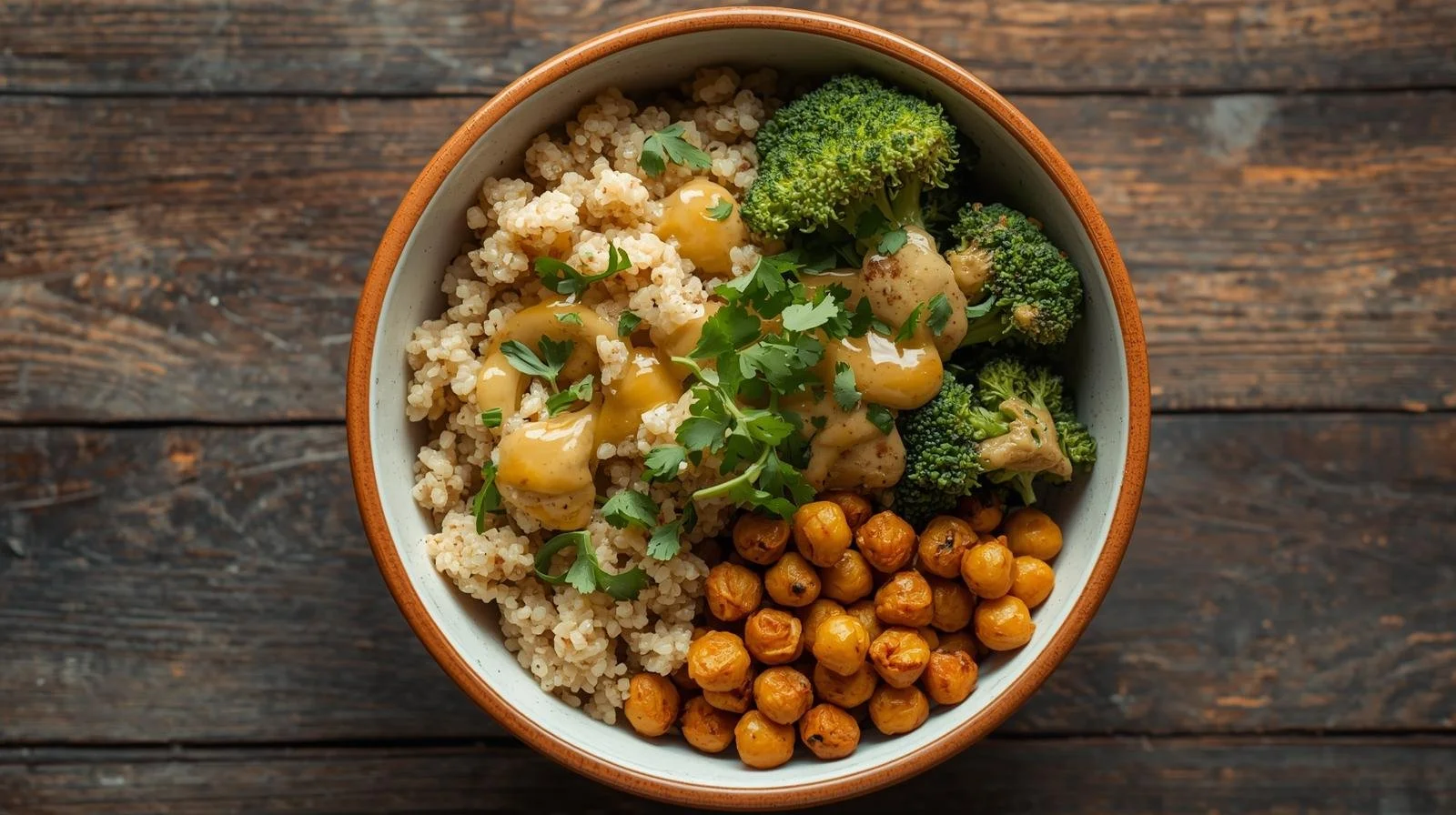
Dinner: Quinoa bowl with roasted broccoli and chickpeas = ~12-14g
Total: ~38-43g (but remember, you're building up to this gradually!)


Pro Tips for Fiber Success
Start with breakfast. Adding fiber-rich foods to your first meal sets you up for success all day long (15).
Diversify your sources. Aim for fiber from multiple food groups—fruits, vegetables, whole grains, legumes, nuts, and seeds. Different types of fiber provide different benefits (16).
Read labels. When buying packaged foods, check the Nutrition Facts label. Look for products with at least 3 grams of fiber per serving (17).
Cook smart. Keep the skins on fruits and vegetables when possible—that's where a lot of the fiber hangs out.
Batch cook beans and grains. Make a big pot of lentils or quinoa at the start of the week to easily add to meals.
Listen to your body. Some temporary gas and bloating are normal when increasing fiber, but severe discomfort means you're moving too fast. Scale back and increase more gradually.
The Bottom Line
Increasing your fiber intake doesn't have to be a dramatic overhaul that leaves your digestive system in chaos. By taking the gradual approach—adding about 5 grams per week—and pairing each fiber increase with adequate hydration, you're setting yourself up for long-term success without the uncomfortable side effects.
Your gut bacteria will thank you, your digestive health will improve, and you'll be well on your way to meeting those fiber goals that seemed so daunting at first. Remember: this is a marathon, not a sprint. Slow and steady wins the race, and your intestines will be throwing you a party instead of a protest.
Now go forth and fiber up—responsibly!
References
Miketinas, D. C., et al. (2021). Most Americans are not getting enough fiber in our diets. American Society for Nutrition. NUTRITION 2021 LIVE ONLINE. https://nutrition.org/most-americans-are-not-getting-enough-fiber-in-our-diets/
Quagliani, D., & Felt-Gunderson, P. (2017). Closing America's fiber intake gap: Communication strategies from a Food and Fiber Summit. American Journal of Lifestyle Medicine, 11(1), 80-85. https://doi.org/10.1177/1559827615588079
Dietary Guidelines for Americans, 2020-2025. U.S. Department of Agriculture and U.S. Department of Health and Human Services.
McRae, M. P. (2017). Dietary fiber intake and type 2 dietary fiber is associated with decreased inflammation and all-cause mortality in patients with type 2 diabetes. Nutrition Research, 37, 1-11.
Allied Digestive Health. (2025). Can too much fiber cause constipation? Retrieved from https://allieddigestivehealth.com/nutrition/can-too-much-fiber-cause-constipation/
GoodRx Health. (2024). 9 symptoms of too much fiber. Retrieved from https://www.goodrx.com/well-being/gut-health/too-much-fiber-symptoms
Ament Nutrition. (2025). Too much of a good thing: The side effects of a high fiber diet. Retrieved from https://www.amentanutrition.com/blog/too-much-of-a-good-thing-the-side-effects-of-a-high-fiber-diet
UCLA Health. (2022). Increasing fiber in your diet may increase gas. Retrieved from https://www.uclahealth.org/news/article/increasing-fiber-in-your-diet-may-increase-gas
UC Health. (n.d.). Eating the right amount of fiber. Retrieved from https://www.uchealth.com/en/media-room/articles/eating-the-right-amount-of-fiber
Harvard University Health Services. Fiber content of foods in common portions. Retrieved from https://www.agrifibersolutions.com/blog-post/fiber-content-of-foods-in-common-portions
MD Anderson Cancer Center. (2023). 8 tips for reaching your daily fiber intake. Retrieved from https://www.mdanderson.org/cancerwise/8-tips-for-reaching-your-daily-fiber-intake.h00-159622590.html
Crohn's & Colitis Dietitians. (2025). How to relieve symptoms of too much fiber. Retrieved from https://crohnsandcolitisdietitians.com/how-to-relieve-symptoms-of-too-much-fiber/
Mayo Clinic. (2023). Chart of high-fiber foods. Retrieved from https://www.mayoclinic.org/healthy-lifestyle/nutrition-and-healthy-eating/in-depth/high-fiber-foods/art-20050948
U.S. Department of Veterans Affairs. (2023). Fiber content of foods. Nutrition and Food Services. Retrieved from https://www.nutrition.va.gov/docs/UpdatedPatientEd/FiberContentofFoodsAug2023.pdf
Whitmer, K. (2023). 8 tips for reaching your daily fiber intake. MD Anderson Cancer Center.
Stephen, A. M., et al. (2017). Dietary fibre in Europe: Current state of knowledge on definitions, sources, recommendations, intakes and relationships to health. Nutrition Research Reviews, 30(2), 149-190.
U.S. Food and Drug Administration. Interactive Nutrition Facts Label. Retrieved from https://www.accessdata.fda.gov/scripts/InteractiveNutritionFactsLabel/