The Invisible Thirst: Why You Might Be Chronically Dehydrated Without Knowing It

Visible representation of dehydration.
As a dietitian, I see it every day: women coming to me with fatigue, brain fog, and stubborn digestive issues, searching for a complex nutritional answer. While we often look at macronutrients or vitamins first, we frequently overlook the most fundamental nutrient of all—water.
In the world of the "Nuanced Nutritionist," we know that health isn't just about what you eat; it's about the medium in which every chemical reaction in your body takes place.
The Myth of "Eight Glasses"

Ninety-one fl. oz. (2.7 L) is the ultimate goal while 64 fl. oz. (8 - 8 fl. oz. glasses) is a stepping stone.
The common "8x8" rule (eight 8-ounce glasses) is a helpful starting point, but it lacks the nuance required for individual health.
According to the National Academies of Sciences, Engineering, and Medicine, the adequate intake (AI) for total water for women is actually about 2.7 liters (approx. 91 ounces) daily. This includes water from all sources, including food (which typically accounts for about 20% of our intake).
Signs You’re Living in a "Dry" State

Dehydration is sneaky and can be seen in our skin, energy levels, and mood.
Chronic dehydration doesn't always look like extreme thirst. It often shows up as:
The Mid-Afternoon Slump: Research has shown that even a 1–2% loss in body water can impair cognitive performance, reduce alertness, and increase feelings of fatigue and confusion.
"Hunger" Cravings: The brain can easily mistake thirst signals for hunger. Drinking water before meals has been shown to assist with satiety and weight management.
Skin Elasticity: Dehydration affects skin turgor and can lead to a duller complexion or more pronounced fine lines.
Digestive "Traffic Jams": Without adequate fluid, fiber cannot do its job, leading to chronic constipation.
Why Women Face Unique Challenges
Women’s hydration needs are dynamic. Factors such as the menstrual cycle, pregnancy, and lactation significantly shift fluid requirements.
Hormonal Shifts: During the luteal phase (pre-period), body temperature rises and fluid shifts, which can alter your hydration status.
The "Urgency" Barrier: A common qualitative barrier for many women is the "fear of frequent urination" during busy workdays or commutes, leading to intentional fluid restriction.
Nuanced Tips for Staying Hydrated
Three Bottles A Day: Get yourself a 24oz glass water bottle with time and volume measures on the side (like this one). Start by drinking one per day, then slowly work up to three per day.
Eat Your Water: Focus on high-water-content foods like cucumbers (95% water), strawberries (91%), and cantaloupe (90%).
Check Your Biofeedback: Your urine color is your best "internal dashboard." Aim for a pale lemonade color; if it’s dark amber, your kidneys are working overtime to conserve water.
Front-Load Your Fluids: If you struggle with middle-of-the-night bathroom trips, try to consume 70% of your water before 4:00 PM.
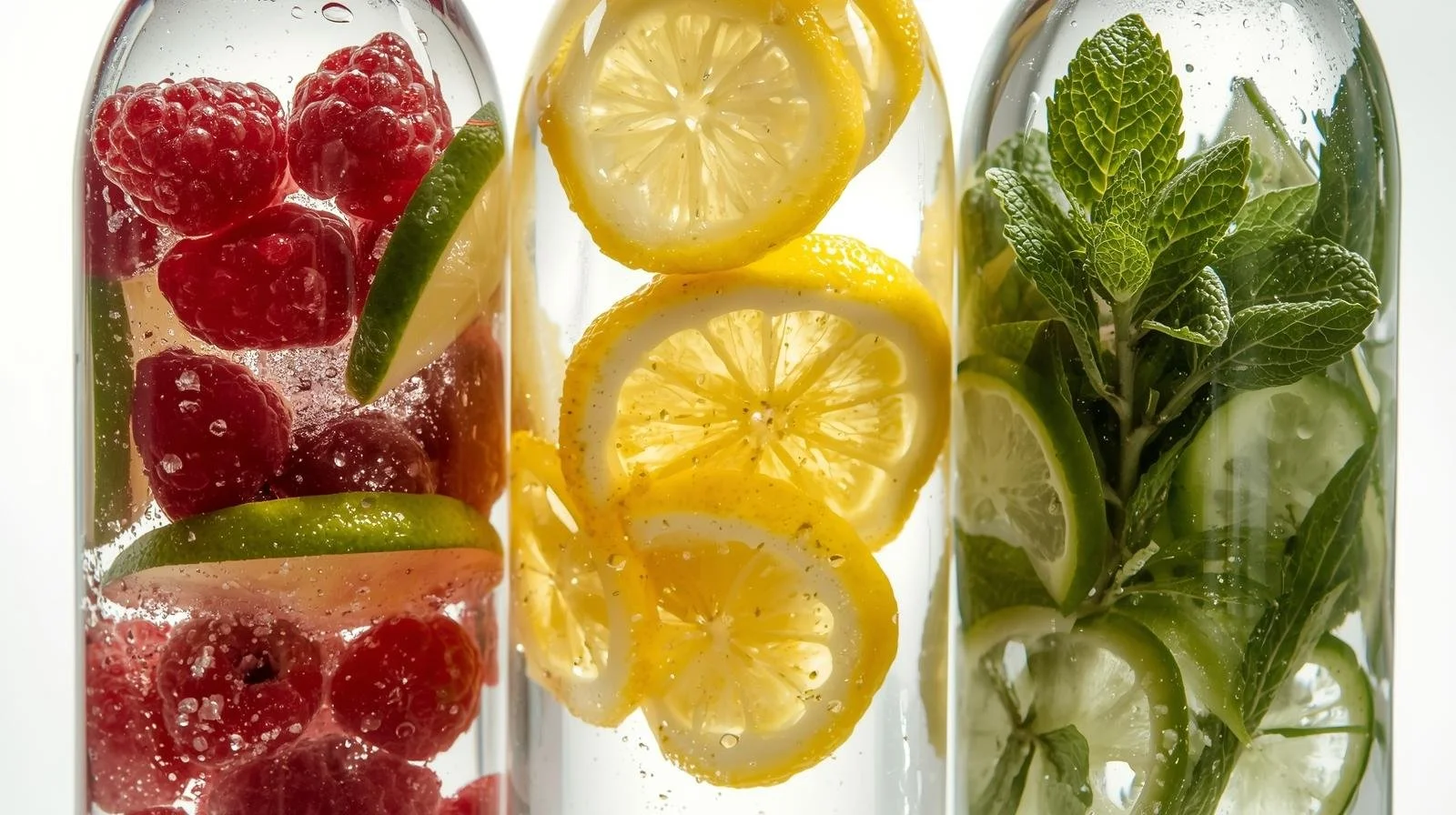
Naturally Flavor: Can’t drink plain water? No problem. Add some citrus (juice and slices), fruit, mint and cucumber, or replace with freshly brewed tea with lemon. Think plants for natural flavors.
References & Reliable Sources
National Academies of Sciences, Engineering, and Medicine (2004). "Dietary Reference Intakes for Water, Potassium, Sodium, Chloride, and Sulfate." Source
UCSF (2024). "Drinking plenty of water may actually be good for you." ScienceDaily. Source
Nakamura et al. (2012). "Influence of progressive fluid restriction on mood and physiological markers of dehydration in women." British Journal of Nutrition. Source
Popkin et al. (2010). "Water, Hydration and Health." Nutrition Reviews. Source