The Iron Essential: A Woman’s Guide to Smart Supplementation
By: Devon Golem, PhD, RD, LDN/The Nuanced Nutritionist
Iron is arguably one of the most discussed minerals in women’s health, yet it remains one of the most misunderstood. As an essential component of hemoglobin—the protein that carries oxygen from your lungs to your tissues—iron is the fuel for your energy, cognitive function, and immune health.
However, because women of reproductive age are at a unique risk for deficiency, knowing how and when to supplement is vital. Let’s dive into the nuance of iron.
Why Iron Matters: The Biological Role
Iron isn't just about "not being tired." According to the National Institutes of Health (NIH) Office of Dietary Supplements, iron is critical for:
Oxygen Transport: Creating hemoglobin for red blood cells.
Muscle Metabolism: Supporting healthy connective tissue and muscle performance.
Neurological Development: Maintaining cognitive focus and memory.
Hormone Synthesis: Assisting in the creation of several vital hormones.
Dietary Requirements: What You Need
Iron requirements vary significantly by life stage. The Recommended Dietary Allowance (RDA) for women is:
Adult Women (19–50): 18 mg/day
Pregnancy: 27 mg/day
Lactation: 9 mg/day
Women 51+: 8 mg/day
Note: For those following a vegetarian or vegan diet, the NIH suggests that requirements may be 1.8 times higher due to the lower bioavailability of non-heme iron (plant-based) compared to heme iron (animal-based).
Food Sources: Heme vs. Non-Heme
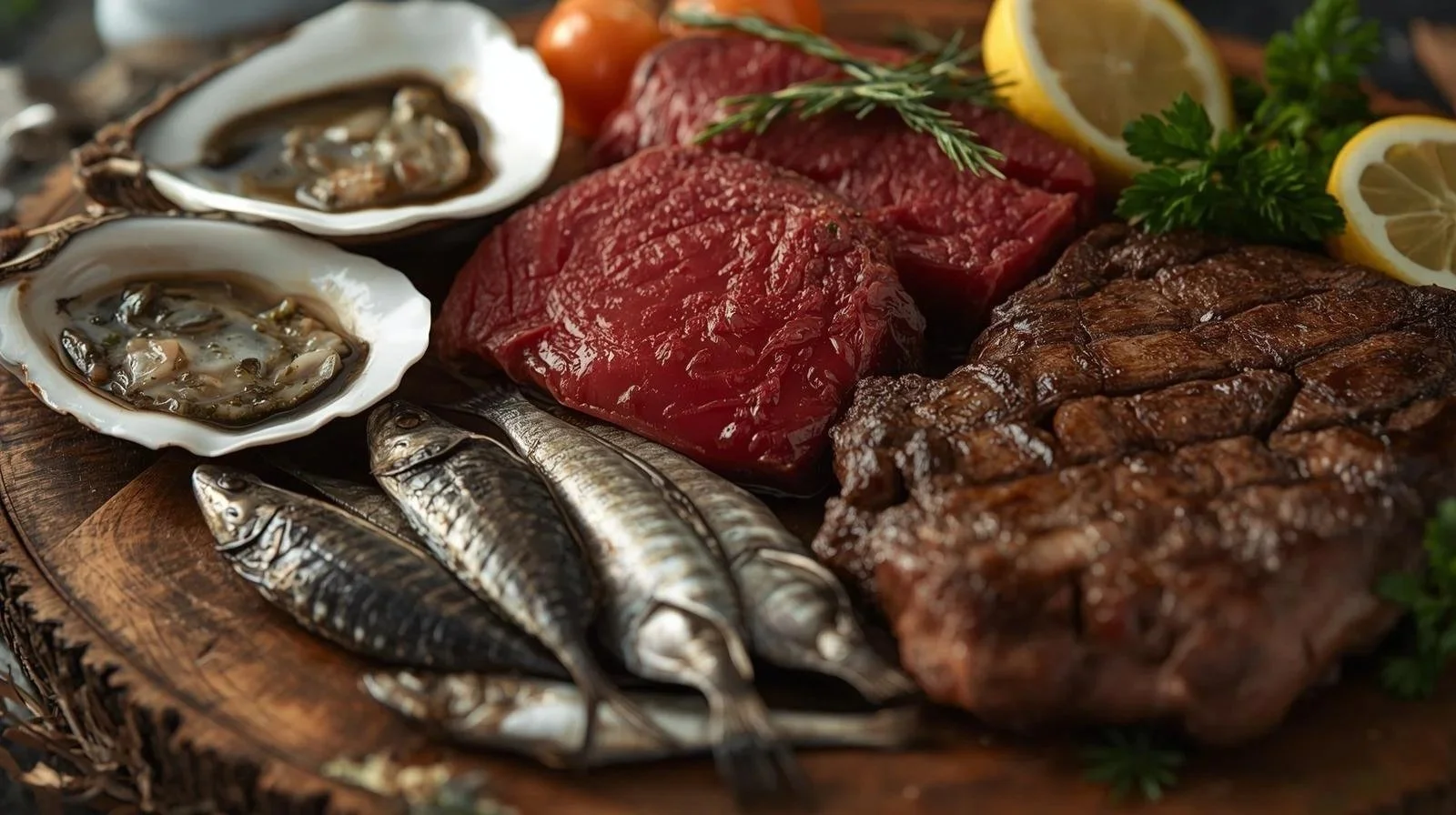

We generally categorize iron into two types:
Heme Iron: Found in animal products like oysters, beef liver, sardines, and beef. This type is more readily absorbed by the body.
Non-Heme Iron: Found in plant foods like fortified cereals, white beans, lentils, spinach, and tofu.
When to Supplement: Identifying the Need
Supplementation should never be a guessing game. It is typically indicated for:
Iron-Deficiency Anemia (IDA): Low hemoglobin and ferritin.
Non-Anemic Iron Deficiency: Depleted iron stores (low ferritin) without full-blown anemia.
Heavy Menstrual Bleeding: Chronic blood loss often exceeds dietary intake capabilities.
The Nuance of Dosing and Timing
One of the most significant shifts in iron research involves how we take it. Recent literature explores the efficacy of "alternate-day" or "intermittent" dosing versus daily dosing.
The Hepcidin Factor: Taking high doses of iron daily can trigger a hormone called hepcidin, which actually blocks iron absorption for the next 24 hours. Emerging evidence suggests that taking iron every other day may be just as effective and cause fewer side effects.
Best Absorption: Take iron on an empty stomach with a source of Vitamin C (like orange juice).
What to Avoid: Do not take iron within 2 hours of calcium supplements, antacids, tea, or coffee, as these significantly inhibit absorption.
Types of Iron Supplements
Ferrous Salts (Sulfate, Fumarate, Gluconate): The most common and cost-effective, but often linked to GI upset.
Ferric Complexes: Like polysaccharide-iron complexes, which may be gentler on the stomach.
New Formulations: Recent research highlights ferric maltol and sucrosomial iron, which aim to increase bioavailability and reduce the "metallic taste" and gastric irritation common in older salts.
Side Effects and Contraindications
While beneficial, iron is not without drawbacks:
Common Side Effects: Constipation, nausea, stomach cramps, and dark/tarry stools.
The Upper Limit (UL): The UL for adult women is 45 mg/day. Exceeding this without medical supervision can lead to iron toxicity or oxidative tissue damage.
Contraindications: Individuals with hemochromatosis (a genetic condition causing iron overload) should avoid iron supplements. High iron intake can also interfere with certain medications, such as levothyroxine (thyroid) and levodopa.
Potentially Harmful to Gut Microbiota: A delicate balance of iron intake is needed to prevent potentially harmful effects on the gut microbiome. Iron-deficiency as well as unnecessary iron supplementation can be lead to adverse effects.
Final Takeaway
Iron supplementation is a powerful tool, but it requires a tailored approach. If you suspect a deficiency, ask your healthcare provider for a full iron panel (including Ferritin and Transferrin Saturation) before starting a regimen.
References
NIH Office of Dietary Supplements. Iron: Health Professional Fact Sheet.
NIH Office of Dietary Supplements. Iron: Consumer Fact Sheet.
Pantopoulos K. Oral iron supplementation: new formulations, old questions. Haematologica. 2024 Sep 1;109(9):2790-2801. doi: 10.3324/haematol.2024.284967. PMID: 38618666; PMCID: PMC11367235. Source.
Pasricha SR, Tye-Din J, Muckenthaler MU, Swinkels DW. Iron deficiency. Lancet. 2021 Jan 16;397(10270):233-248. doi: 10.1016/S0140-6736(20)32594-0. Epub 2020 Dec 4. PMID: 33285139. Source
Man Y, Xu T, Adhikari B, Zhou C, Wang Y, Wang B. Iron supplementation and iron-fortified foods: a review. Crit Rev Food Sci Nutr. 2022;62(16):4504-4525. doi: 10.1080/10408398.2021.1876623. Epub 2021 Jan 28. PMID: 33506686. Source
Puga AM, Samaniego-Vaesken ML, Montero-Bravo A, Ruperto M, Partearroyo T, Varela-Moreiras G. Iron Supplementation at the Crossroads of Nutrition and Gut Microbiota: The State of the Art. Nutrients. 2022 May 4;14(9):1926. doi: 10.3390/nu14091926. PMID: 35565894; PMCID: PMC9102039. Source
Sun B, Tan B, Zhang P, Zhu L, Wei H, Huang T, Li C, Yang W. Iron deficiency anemia: a critical review on iron absorption, supplementation and its influence on gut microbiota. Food Funct. 2024 Feb 5;15(3):1144-1157. doi: 10.1039/d3fo04644c. PMID: 38235788. Source