Fiber After 40: Your Secret Weapon for Feeling Fabulous
Content highlights:
Why fiber is essential for midlife women (metabolism, heart health, blood sugar, digestion, hormonal balance)
The recommended 21-25 grams per day for women over 50
A comprehensive list of high-fiber foods organized by category (legumes, berries, whole grains, vegetables, seeds/nuts, fruits) with specific fiber amounts
Practical tips for adding more fiber without overhauling your life
10 evidence-based citations from reputable sources
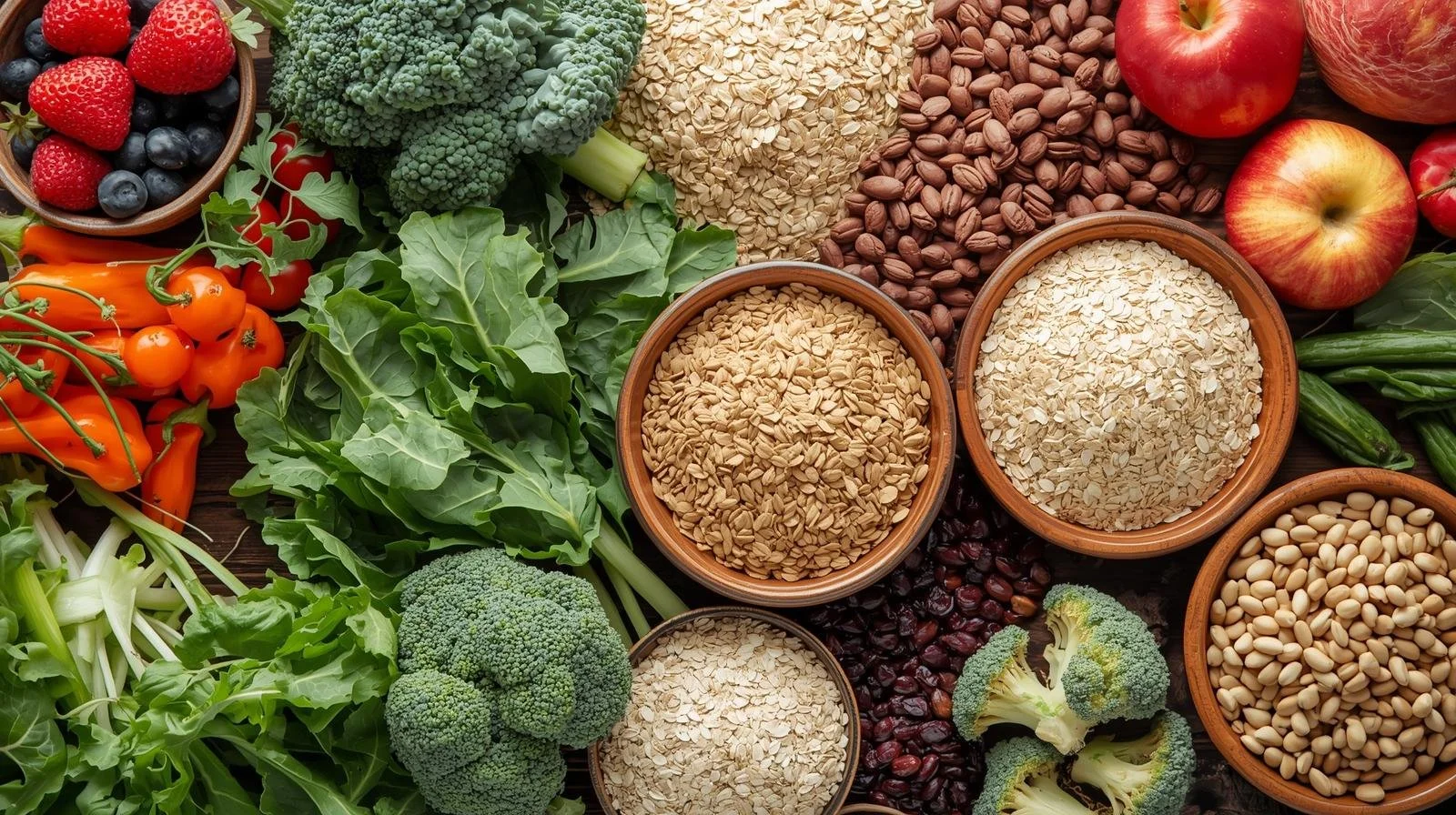
A gorgeous array of plant foods - the only source of food fiber.
Let's talk about something that doesn't get nearly enough love at midlife dinner parties: fiber. I know, I know—when you pictured your fabulous 40s, you probably weren't dreaming about discussing dietary fiber. But here's the thing: while fiber might not be as glamorous as collagen supplements or as trendy as intermittent fasting, it's quietly working behind the scenes like the ultimate life assistant you never knew you needed.
Think of fiber as your body's personal organizer, cleanup crew, and health insurance policy all rolled into one. And the best part? Unlike that gym membership you keep forgetting to use, fiber actually delivers on its promises—no sweat required (well, unless you count the effort of chewing).
Why Is Fiber Essential for Midlife Women?
After 40, our bodies start playing by different rules. Remember when you could eat pizza at midnight and wake up feeling fine? Yeah, those days have left the building. Here's what's happening behind the scenes:
Your Metabolism Has Entered the Chat (and It's Moving Slowly)
Around age 40, hormone levels (particularly estrogen) take a nosedive, causing insulin levels to rise and thyroid function to slow down.¹ This metabolic trifecta means you're hungrier, burning fewer calories, and—surprise!—accumulating belly fat like it's going out of style. The good news? Fiber helps you feel fuller longer, which means you're less likely to devour an entire bag of chips while standing in front of the fridge wondering what happened to your willpower.²
Your Heart Needs All the Help It Can Get
Heart disease risk increases significantly as we age, making fiber's cardiovascular benefits particularly valuable during midlife.³ Studies show that women who consume the highest amounts of dietary fiber reduce their risk of dying from cardiovascular disease by 16-24% compared to those who eat very little fiber.⁴ Soluble fiber, in particular, binds to cholesterol in your digestive system like a tiny cleanup crew, helping escort it out of your body before it can clog up your arteries.
Blood Sugar Rollercoaster? Fiber Says "Not Today"
Higher fiber intake is associated with specific "good" gut bacteria and favorable metabolites that help lower the risk of developing Type 2 diabetes.⁵ Research shows that consuming 25-29 grams of fiber per day reduces the risk of developing diabetes by 15-30%.⁶ Fiber slows down the absorption of sugar, preventing those energy crashes that make you want to nap under your desk at 3 PM.
Digestive Drama? Fiber to the Rescue
Let's be real: aging can lead to slower digestion, which is just a polite way of saying things don't move as smoothly as they used to. Insoluble fiber adds bulk to your stool (yes, we're going there) and helps keep things, shall we say, regular.⁷ Nobody wants to talk about constipation, but everybody wants to avoid it—and fiber is your best friend in that department.
Hormonal Harmony
Here's something fascinating: fiber helps eliminate excess estrogen from your body, which is particularly important during perimenopause and menopause.⁸ It's like having a hormonal bouncer that shows troublemakers the exit. This can help alleviate some menopause symptoms and reduce the risk of certain cancers.
How Much Fiber Should You Aim For?
The official recommendation for women over 50 is 21 grams of fiber per day, though some experts suggest aiming for 25 grams for optimal health benefits.⁹ Here's the kicker: the average American woman only gets about 12-16 grams per day.¹⁰ That's like trying to run a marathon while only drinking half a water bottle—technically possible, but not exactly setting yourself up for success.
The good news is that you don't need to transform into a rabbit overnight. In fact, please don't—adding too much fiber too quickly is a one-way ticket to Bloatville, population: you. Start slow, increase gradually, and drink plenty of water (fiber needs H₂O to do its magic).
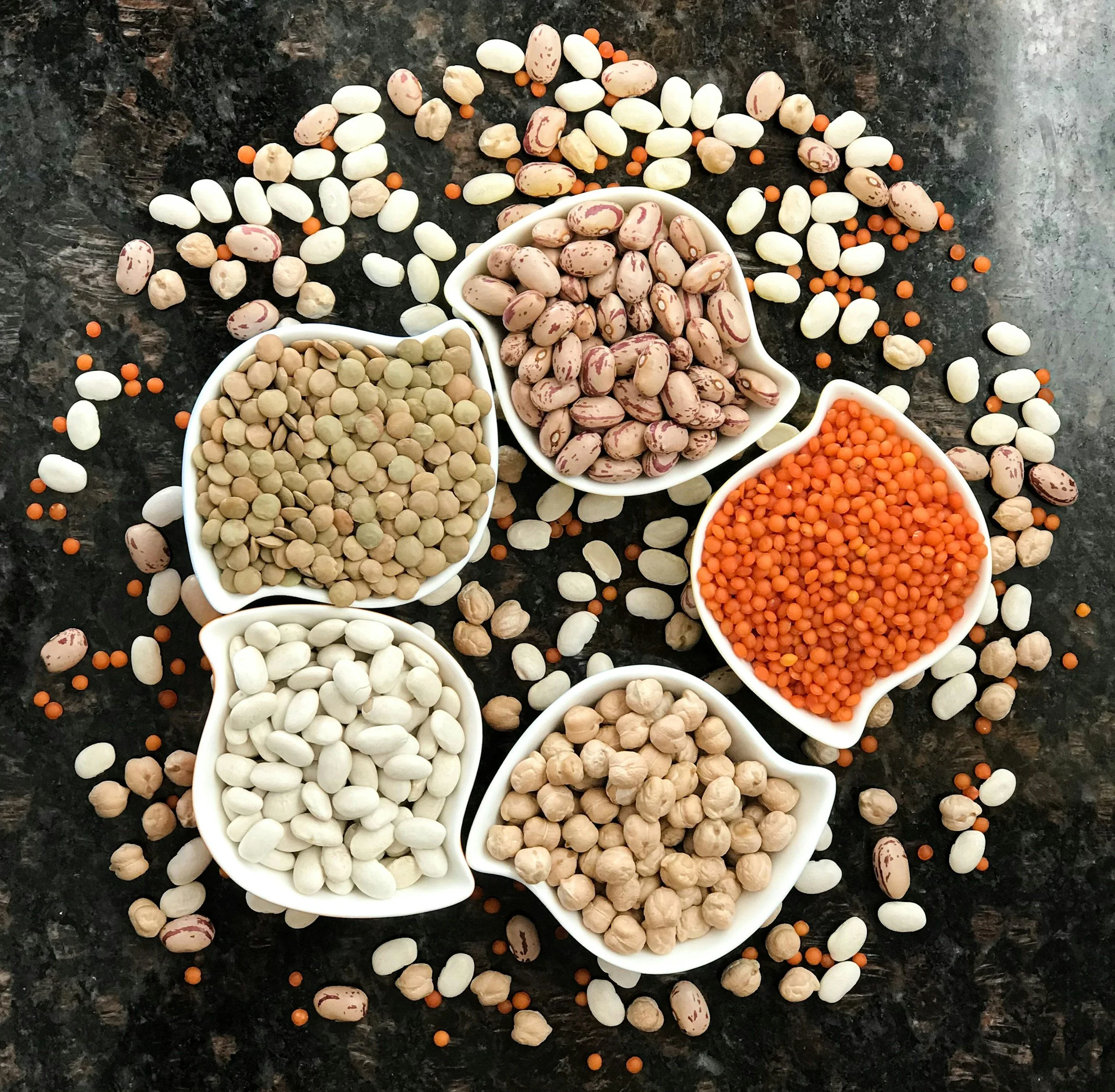
Legumes: beans, lentils, peas, and peanuts are all fiber rockstars.
The Fiber All-Stars: Foods That Actually Deliver
Forget boring bran muffins (though if that's your jam, no judgment). Here are the most delicious and effective ways to boost your fiber intake:
Legumes: The Fiber Powerhouses
• Lentils: 7.8g per ½ cup cooked—affordable, versatile, and cook faster than you can scroll through Instagram
• Black beans: 7.5g per ½ cup—perfect for tacos, salads, or eating straight from the can (no judgment)
• Chickpeas: 6.2g per ½ cup—roasted for snacking, blended for hummus, tossed in curries
• Split peas: 8.2g per ½ cup—soup isn't just for winter anymore
Seeds and Nuts: Small But Mighty
• Chia seeds: 10g per ounce—sprinkle on everything
• Flaxseeds: 7.6g per ounce—ground is easier to digest
• Almonds: 3.5g per ounce—perfect for snacking
Berries: Nature's Candy (That's Actually Good for You)
• Raspberries: 8g per cup—the fiber champion of the fruit world
• Blackberries: 7.6g per cup—antioxidants as a bonus
• Strawberries: 3g per cup—lower in fiber but high in deliciousness and vitamin C
Fruits: Beyond Berries
• Pears: 5.5g per medium pear with skin—nature's dessert
• Apples: 4.8g per medium apple with skin—an oldie but goodie
• Bananas: 3.1g per medium banana—portable and pre-wrapped by nature
Vegetables: The Usual Suspects (But They Work)
• Artichokes: 7g per medium artichoke—fancy and fiber-full
• Brussels sprouts: 4g per cup—roasted, they're actually delicious (give them another chance)
• Broccoli: 5g per cup cooked—the vegetable your mother was right about
• Sweet potatoes: 4g per medium potato with skin—carbs you can feel good about
Whole Grains: Ditch the White Stuff
• Oats: 4g per cup cooked—containing beta-glucan, a superstar soluble fiber
• Quinoa: 5g per cup cooked—plus it's a complete protein
• Brown rice: 3.5g per cup cooked—the simple swap that makes a difference
• Whole wheat pasta: 6.3g per cup cooked—because life without pasta is not a life worth living
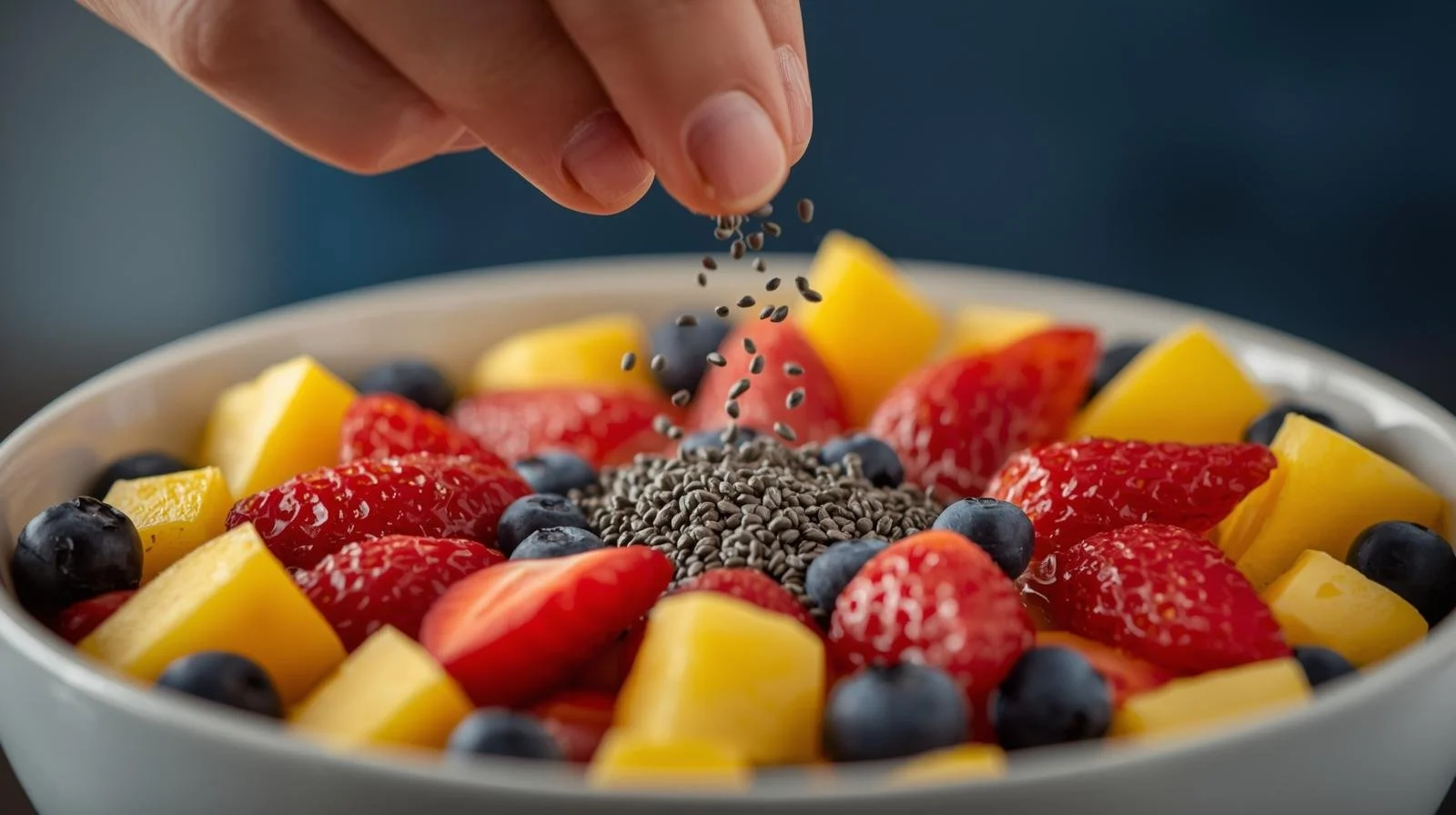
Chia is a fiber powerhouse. Eat it alone after hydration or sprinkle it on other foods. Just get it in!
Sneaky Ways to Add More Fiber (Without Feeling Like You're on a Health Kick)
The best part about fiber? You don't need to overhaul your entire life. Here are some painless swaps and additions:
Start Your Day Right
• Swap your regular cereal for one with at least 5g of fiber per serving
• Top your yogurt or oatmeal with berries and a tablespoon of chia seeds
• Make a smoothie with frozen berries, spinach, and a tablespoon of ground flaxseed
Lunch and Dinner Hacks
• Add beans to everything: soups, salads, tacos, pasta dishes
• Replace half the meat in recipes with lentils or beans
• Choose brown rice, quinoa, or farro instead of white rice
• Keep raw veggies prepped in your fridge for easy snacking (carrots, bell peppers, celery)
Snack Smarter
• Swap chips for air-popped popcorn (3.5g fiber per 3 cups)
• Keep a stash of almonds or other nuts for emergency snacks
• Make hummus your new best friend—dip everything in it
• Choose whole fruit over fruit juice (juice has no fiber)
The "Sprinkle Strategy"
• Keep wheat bran, oat bran, or ground flaxseed in your pantry
• Sprinkle 1-2 tablespoons on salads, soups, yogurt, or smoothies
• You won't even taste it, but your digestive system will thank you
The Golden Rules
• Start low, go slow: Increase fiber gradually over 2-3 weeks to avoid digestive discomfort
• Hydrate like it's your job: Aim for at least 64 ounces of water daily—fiber needs water to work properly
• Eat the skin: Most of the fiber in fruits and vegetables is in or near the skin
• Track it: Use an app like MyFitnessPal for a week to see how much fiber you're actually getting
The Bottom Line
Here's the deal: fiber might not have the sex appeal of the latest superfood trend, but it's the reliable friend who shows up when you need them most. It protects your heart, balances your blood sugar, keeps your digestion happy, helps manage your weight, and even supports hormonal balance during the wild ride of menopause. Not bad for something so unassuming, right?
The best part? You don't need to make dramatic changes. Small, consistent swaps—choosing brown rice over white, adding beans to your salad, snacking on an apple instead of crackers—add up faster than you think. Before you know it, you'll hit that 25-gram target without feeling like you're eating birdseed for every meal.
So here's to fiber: the unsung hero of midlife health. It may not be glamorous, but it gets the job done—kind of like us after 40, actually. Cheers to that! 🥂
References
¹ Family Doctor. "After 40: Women's Nutrition and Metabolism Needs." October 21, 2025. https://familydoctor.org/40-womens-nutrition-metabolism-needs/
² WebMD. "Increasing Your Fiber Intake: How Much More Do You Need?" March 6, 2024. https://www.webmd.com/healthy-aging/increased-fiber-important-older-adults
³ Vogt J. "Why Women Over 45 Need More Fiber." July 9, 2025. https://jenifervogt.com/diet-health-and-wellness/why-women-over-45-need-more-fiber/
⁴ Harvard Health Publishing. "Should I be eating more fiber?" February 27, 2019. https://www.health.harvard.edu/blog/should-i-be-eating-more-fiber-2019022115927
⁵ American Heart Association. "How might fiber lower diabetes risk? Your gut could hold the clues." March 28, 2024. https://www.heart.org/en/news/2024/03/28/how-might-fiber-lower-diabetes-risk-your-gut-could-hold-the-clues
⁶ Cleveland Clinic. "Want to Lower Your Risk of Heart Disease, Diabetes and Colon Cancer? You May Want to Double Your Fiber Intake." May 2, 2019. https://health.clevelandclinic.org/want-to-lower-your-risk-of-heart-disease-diabetes-and-colon-cancer-you-may-want-to-double-your-fiber-intake
⁷ Family Doctor. "How to Get More Fiber in Your Diet." September 27, 2023. https://familydoctor.org/fiber-how-to-increase-the-amount-in-your-diet/
⁸ The 'Pause Life by Dr. Mary Claire Haver. "Use The Power Of Fiber In Your Menopause Journey." https://thepauselife.com/blogs/the-pause-blog/use-the-power-of-fiber-to-decrease-symptoms-from-menopause
⁹ Harvard Health Publishing. "Foods high in fiber: Boost your health with fiber-rich foods." March 4, 2024. https://www.health.harvard.edu/nutrition/foods-high-in-fiber-boost-your-health-with-fiber-rich-foods
¹⁰ Healthline. "How Much Fiber Per Day? Grams, Sources, Benefits, and More." May 24, 2025. https://www.healthline.com/health/food-nutrition/how-much-fiber-per-day