Finding Your Perfect Match: How to Select the Right Dietitian for YOU
Here's something I want you to know right from the start: finding the right dietitian might take a few tries—and that's not just okay, it's completely normal.
Just like selecting a therapist, a primary care doctor, or any healthcare provider you'll work closely with, the relationship between you and your dietitian matters immensely. We're not interchangeable robots programmed with the same nutrition facts—we're individuals shaped by our unique experiences, perspectives, training, and yes, our personalities too.
While every registered dietitian must demonstrate competence across all facets of our field (it's literally a requirement for our credential!), that shared foundation doesn't mean we all practice the same way. And honestly? That diversity is a strength of our profession. It means there's a dietitian out there who's the right fit for you, someone whose approach resonates with your values, whose communication style feels comfortable, and whose expertise aligns with your specific needs.

Nutrition counseling requires a well-suited partnership to be effective.
Why the Relationship Matters (The Science Backs This Up!)
Let's talk about what research tells us. The concept of therapeutic alliance—essentially, the quality of the relationship between healthcare provider and client—isn't just warm-and-fuzzy talk. It's a real, measurable factor that influences treatment outcomes.
Studies have shown that when there's strong agreement between how a dietitian and client perceive their working relationship, better health outcomes follow (1-3).
In nutrition counseling specifically, research has identified several core strategies that make dietary counseling effective, including showing empathy, connecting to your motivation, tailoring approaches to your preferences, and—here's the key—building that foundation of trust and respect. When you feel heard, understood, and supported by your dietitian, you're much more likely to engage meaningfully in the process and make lasting changes.
A fascinating study on eating disorder treatment found that patients often felt a stronger bond with their dietitian compared to other team members, and this stronger therapeutic alliance has been linked to better outcomes (1). The takeaway? The relationship isn't just a nice bonus—it's an essential ingredient in effective nutrition care.
Understanding the Beautiful Diversity in Dietetics
Specialties and Practice Areas
First, let's talk specialties. While all registered dietitians share foundational training, many of us pursue additional certifications and expertise in specific areas. The Commission on Dietetic Registration offers Board Certification (4) in multiple specialty areas, including:
• Sports Dietetics — working with athletes to optimize performance through nutrition
• Pediatric Nutrition — addressing the unique nutritional needs of infants, children, and adolescents
• Renal Nutrition — specializing in kidney disease and dialysis
• Oncology Nutrition — supporting cancer patients through treatment and recovery
• Obesity and Weight Management
• Gerontological Nutrition — focusing on older adults across care settings
• Digestive Health — addressing GI conditions and digestive concerns
• Pediatric Critical Care Nutrition
Beyond these board certifications, dietitians may also specialize in eating disorders, diabetes education, functional nutrition, intuitive eating, plant-based nutrition, maternal and prenatal health, food allergies, and so much more. Some work in clinical settings, others in community health, sports medicine, private practice, research, or even corporate wellness.
Different Counseling Approaches
Even among dietitians with similar specialties, you'll find different counseling philosophies. Some take a more directive approach, providing specific meal plans and clear instructions—which can be wonderful if you're someone who thrives on structure. Others use a non-directive style, employing motivational interviewing and health coaching techniques to help you discover your own path forward—perfect if you value autonomy and collaborative decision-making.
Research shows that dietitians are increasingly incorporating psychological tools and behavioral strategies into their practice, moving beyond purely educational approaches. Some describe this evolution as"nutritional coaching" or even"nutritional psychotherapy," recognizing that sustainable behavior change requires addressing both the practical and the emotional aspects of eating (5, 6).
The Critical Importance of Cultural Competence and Lived Experience
Here's something vitally important: cultural competence isn't optional in quality nutrition care—it's essential. Food is deeply connected to cultural identity, traditions, values, and lived experiences. A truly effective dietitian recognizes this and works within your food traditions, not against them.
The field of dietetics is working to move beyond cultural competence (understanding different cultures) to cultural humility—an ongoing practice of self-reflection, recognizing personal and systemic biases, and genuinely partnering with clients to honor their cultural perspectives. This approach acknowledges that no one can be an expert in every culture, but we can commit to lifelong learning and respectful collaboration.
Unfortunately, the dietetics profession still lacks racial diversity. As of 2023 data, the majority of dietitians registered in the U.S. are White (79%) and female (92%) while only a minority identify as Black (3%), Hispanic (7%), Asian (5%), or other races (2%)(7). This disparity means you might need to actively seek out dietitians who either share your racial/ethnic background or have demonstrated commitment to cultural humility in their practice.
When interviewing potential dietitians, it's absolutely appropriate to ask about their experience working with clients from your background, their understanding of your traditional foods, and their approach to incorporating cultural preferences into nutrition plans. A good dietitian will welcome these questions and demonstrate genuine interest in learning about your food culture.
While it can be meaningful to work with a dietitian who shares your cultural background, it's not a requirement for excellent, culturally responsive care. What matters most is finding a dietitian who demonstrates genuine commitment to understanding and honoring your food traditions. A practitioner who approaches your culture with curiosity, asks thoughtful questions, actively listens to your experiences, and thoughtfully integrates your cultural practices into your nutrition plan can provide outstanding care—even when their own background differs from yours. This willingness to learn and adapt is the hallmark of true cultural humility.
Questions to Ask During Your Consultation
Most dietitians offer an initial consultation or discovery call. This is your time to interview them!
Here are some questions to consider:
• "What's your approach to [your specific concern]?" — Whether it's intuitive eating, sports performance, managing diabetes, or something else, you want to understand their philosophy.
• "Do you have experience working with clients from my cultural background?" — And if not, "How do you approach learning about unfamiliar food cultures?"
• "What does a typical session look like with you?" — This helps you understand their communication style and structure.
• "Do you provide meal plans, or do you work more collaboratively?" — Neither is inherently better; it's about what works for you.
• "How do you measure progress?" — Make sure their metrics align with your goals and values.
• "What's your philosophy on [specific topic that matters to you]?" — This could be anything from supplement use to weight-neutral approaches to flexible eating.
• "Have you worked with anyone with similar health conditions or goals?"
Pay attention not just to what they say, but how they say it. Do they listen actively? Do they ask thoughtful questions about your life, preferences, and challenges? Do they seem genuinely curious about you as a person, not just as a collection of symptoms or numbers?
Red Flags to Watch For

A female dietitian with a visibly displeased expression, her office desk displaying a neat row of her branded supplement products. Beside them, a stack of identical, generically packaged dietary plans, suggesting a “cookie cutter” approach for her patients. Three signs of potentially harmful practices.
While most dietitians are well-intentioned professionals, here are some warning signs that someone might not be the right fit—or worse, could potentially be harmful:
• One-size-fits-all approaches — If they're pulling out the same generic meal plan for everyone without taking time to understand your unique circumstances, that's a problem.
• Dismissing your cultural foods as "unhealthy" — A competent dietitian finds ways to honor your food traditions while supporting your health goals.
• Overly restrictive recommendations without medical necessity — Be wary of anyone who immediately eliminates entire food groups or creates unnecessarily rigid rules.
• Pushing products or supplements they sell — While some dietitians do sell products ethically, be cautious if this feels like the primary focus.
• Making you feel judged or shamed — Your dietitian should be your supportive partner, not your food police.
• Refusing to explain their recommendations or dismissing your questions — You deserve to understand the "why" behind suggestions.
• Promising quick fixes or dramatic results — Sustainable nutrition changes take time. Anyone promising otherwise is not being honest with you.
• Not collaborating with your other healthcare providers — Nutrition care works best as part of an integrated team approach.
How to Know When It's Not the Right Fit
Sometimes a dietitian can be perfectly qualified and well-intentioned, but the chemistry just isn't there. That's okay! Here are some signs it might be time to try someone new:
• You dread appointments — Sessions should feel supportive, not anxiety-inducing.
• You don't feel heard — If you consistently feel like your concerns are being minimized or overlooked, trust that feeling.
• Your values don't align — Maybe they focus heavily on weight loss when you're seeking a weight-neutral approach, or vice versa.
• You're not seeing progress toward your goals — After giving it a fair try (usually several sessions), you should see some positive movement.
• Communication styles clash — Maybe they're very direct and you need someone gentler, or they're too hands-off when you need more structure.
Research shows that preparatory work helps build therapeutic alliance, and that spending adequate time together strengthens the bond between dietitian and client (5, 6). If sessions feel rushed or superficial, that's worth addressing—or moving on from.
Practical Considerations: Insurance vs. Out-of-Pocket
Let's talk logistics. The reality is that finding the right dietitian often involves navigating insurance coverage and costs.
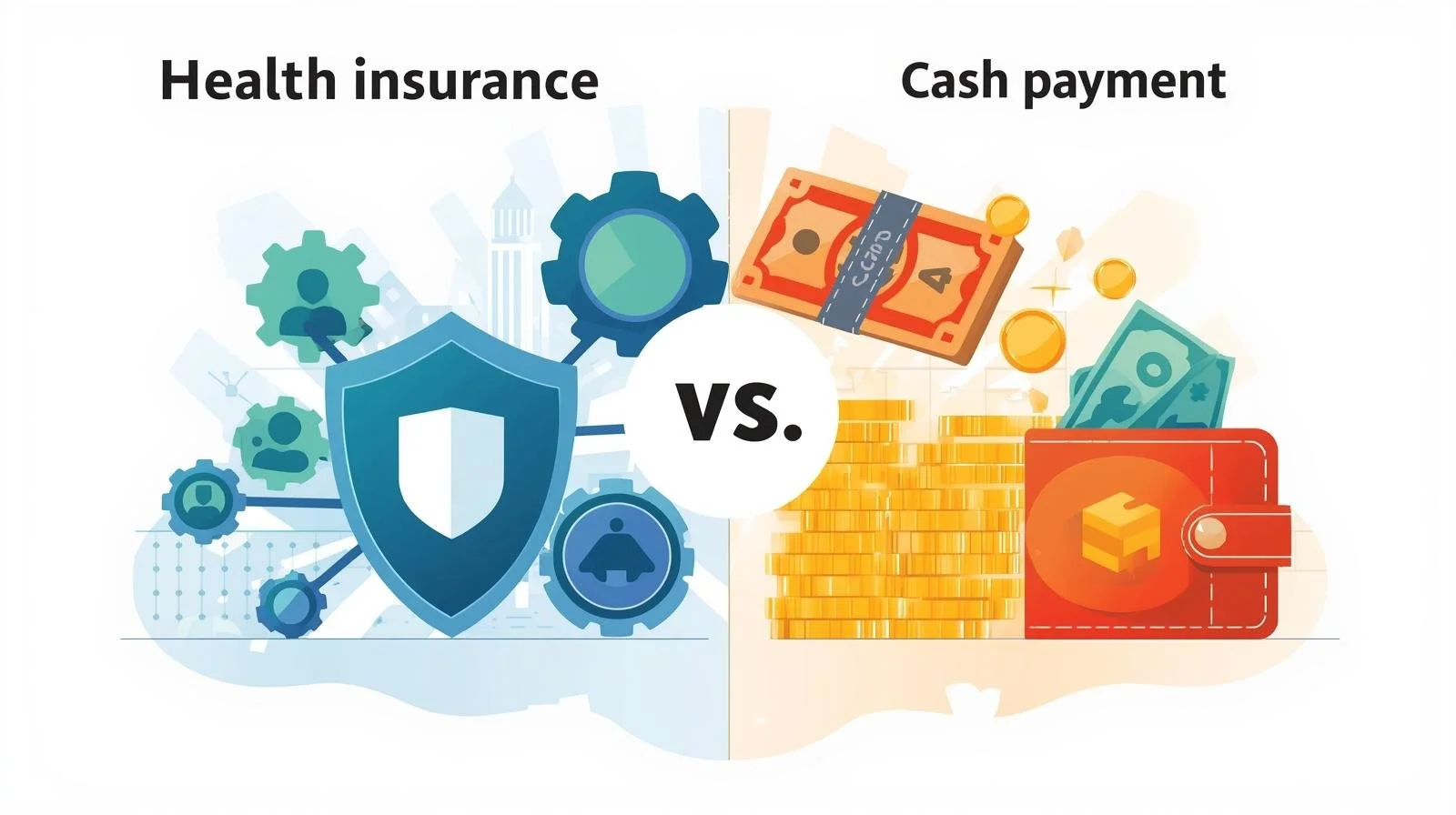
Explore the best payment method for you: health insurance, private payment, or a combo.
Insurance Coverage
Many insurance plans cover nutrition counseling, especially for medical conditions like diabetes, kidney disease, heart disease, or eating disorders. However, coverage varies widely:
• You may need a referral from your physician
• The number of covered sessions may be limited
• Only certain diagnoses may qualify
• You may be limited to in-network providers
If insurance access is important to you, start by checking your plan's nutrition benefits and searching for in-network dietitians. Your insurance company can provide a list, or you can search directories like the Academy of Nutrition and Dietetics' Find an Expert tool (https://www.eatright.org/find-a-nutrition-expert).
Out-of-Pocket Investment
Many highly specialized dietitians (particularly those in eating disorder recovery, sports nutrition, or using specific therapeutic approaches) practice privately and don't accept insurance. While this requires more financial investment, it often provides:
• More flexibility in session length and frequency
• Broader choice of practitioners and approaches
• Potentially more personalized care
• Options for virtual care across state lines
Some private-pay dietitians offer sliding scale fees or package deals. Don't hesitate to ask about payment options—many of us want to make our services accessible. Even if you pay out-of-pocket, you may be able to submit receipts (superbills) to your insurance for partial reimbursement, or use HSA/FSA funds for payment. It's worth investigating these options.
Session Modalities and Staying Connected Between Appointments
Another important factor to consider? How you'll meet with your dietitian and stay connected between sessions. The good news is that nutrition care has evolved dramatically, giving you more options than ever to find what works best for your lifestyle and preferences.
Virtual, In-Person, or Hybrid?
Virtual (Telehealth) Sessions
The rise of telehealth has been a game-changer for nutrition care. Research shows that virtual nutrition counseling can be just as effective as in-person visits for many goals. Studies have found that telehealth consultations achieve comparable outcomes to face-to-face visits for weight management, chronic disease management, and improving dietary practices (13-16).
Virtual sessions offer some compelling advantages:
• Convenience — No travel time, no parking headaches, no sitting in waiting rooms. You can meet with your dietitian from home, work, or anywhere with internet access.
• Broader access — You're not limited to dietitians in your immediate geographic area. This is especially valuable if you live in a rural area or are seeking a specialist with specific expertise.
• Seeing your environment — Your dietitian can actually see your kitchen, pantry, or meal prep space, which can provide valuable insights for personalized recommendations.
• Flexibility — Many people find it easier to fit virtual appointments into busy schedules, especially if they don't need to factor in commute time.
During the COVID-19 pandemic, the proportion of registered dietitian nutritionists providing telehealth services jumped from 37% to 78%, and many have continued offering virtual options because clients find them so valuable (15). Research shows that patients report positive experiences with virtual appointments, appreciating not needing to travel, take time off work, or arrange childcare (14-16).
In-Person Sessions
That said, some people simply prefer the experience of meeting face-to-face. In-person sessions can offer:
• Direct physical assessments — Things like body composition measurements, blood pressure checks, or other hands-on evaluations.
• Fewer technical barriers — No worrying about internet connectivity, platform glitches, or technology troubleshooting.
• A dedicated space for your health — Some people find it valuable to physically step away from their daily environment to focus on their health goals.
• Personal connection — While many people build strong rapport virtually, others simply feel more connected in person.
Hybrid Approach
Many dietitians now offer a combination approach—perhaps starting with an in-person assessment and then doing follow-ups virtually, or alternating between the two. This can give you the best of both worlds: the thoroughness of in-person evaluation with the convenience of virtual check-ins.
Questions to Ask About Session Format:
• "Do you offer virtual sessions, in-person sessions, or both?"
• "What platform do you use for virtual appointments? Is it HIPAA-compliant?"
• "How long are typical sessions?"
• "Can we switch between virtual and in-person as needed?"
Between-Session Support: The Magic Happens in Daily Life
Here's a truth about behavior change: most of it happens between your appointments, not during them. The best dietitians understand this and offer ways to stay connected and supported during those crucial in-between times. Research shows that remote patient engagement can significantly reduce dropout rates and improve outcomes (17, 18).
Different dietitians use different tools and approaches for ongoing support. Here are some common options:
Secure Messaging
Many dietitians offer secure messaging through HIPAA-compliant platforms, allowing you to ask quick questions, share wins, troubleshoot challenges, or get feedback without waiting for your next appointment. This real-time (or near-real-time) communication can be incredibly valuable when you're navigating a restaurant menu, dealing with an unexpected craving, or celebrating a breakthrough.
Food and Symptom Tracking Apps
Professional nutrition platforms allow you to log meals, track symptoms, monitor hunger and fullness, and even upload photos of your meals. Your dietitian can review this information before sessions, making your time together more productive and personalized. Popular practitioner-facing platforms include:
• Specialized nutrition apps — Platforms like Nutrium, Healthie, or Nourishly are designed specifically for dietitian-client collaboration, with features like meal planning, progress tracking, and secure communication.
• General food logging apps — Apps like MyFitnessPal or Cronometer can be useful if your dietitian wants you to track specific nutrients or patterns.
• Symptom-specific trackers — For digestive health, some dietitians use apps that track not just food but also bloating, bowel movements, stress, and sleep to identify patterns.
Research on nutrition apps shows that when designed well—with personalization, user-friendly interfaces, and positive feedback—they can significantly improve engagement and outcomes (17). Studies indicate that app-based food tracking can lead to 10% more weight loss compared to not tracking, and that users who engage consistently report making healthier dietary choices (17, 18).
Educational Resources and Modules
Some dietitians provide access to educational content between sessions—things like:
• Curated articles, recipes, and meal ideas tailored to your goals
• Video tutorials on meal prep, cooking techniques, or reading nutrition labels
• Interactive modules on specific topics relevant to your health condition
• Handouts summarizing key concepts from your sessions
Having access to these resources means you're not trying to remember everything from your 45-minute session—you have materials you can reference as you're actually making decisions in your daily life.
Session Summaries and Action Plans
Many dietitians send post-session summaries that include:
• Key takeaways from your discussion
• Specific action steps you've agreed upon
• Goals for the week or month ahead
• Resources or recipes to try
This written record helps ensure you're on the same page and gives you something concrete to work from between appointments.
Goal Setting and Progress Tracking
Many dietitians use digital platforms that allow you to set goals together and track your progress visually. Seeing your improvements over time—whether that's consistently eating breakfast, incorporating more vegetables, managing blood sugar levels, or feeling less bloated—can be incredibly motivating and helps you recognize patterns you might otherwise miss.
What to Ask About Between-Session Support:
• "How do you support clients between appointments?"
• "Do you use any apps or platforms for tracking or communication?"
• "Can I message you with questions, and if so, what's your typical response time?"
• "Do you provide any educational materials or resources I can access on my own?"
• "Is there an additional cost for between-session support, or is it included?"
Finding What Works for You
The key is finding a dietitian whose communication style and support structure match your needs and preferences. Some people thrive with lots of between-session contact and detailed tracking, while others prefer a more hands-off approach with periodic check-ins. Neither is better or worse—it's about what helps you stay engaged and make progress.
Be honest with yourself (and your potential dietitian) about:
• Your comfort level with technology
• How much time you realistically have for tracking or logging
• Whether you need accountability and frequent check-ins or prefer more independence
• Your learning style (visual, written, hands-on, etc.)
A good dietitian will work with you to find a structure that feels supportive without being overwhelming. Remember: the goal of all these tools and touchpoints is to help you build sustainable habits and feel supported on your journey—not to add more stress to your life!
The Bottom Line: It's Worth the Search
Finding the right dietitian is so much more than just locating someone with "RD" or “RDN" after their name (FYI:both refer to the same credential). It's about finding a partner in your health journey—someone who sees you as a whole person, respects your cultural background and lived experiences, communicates in a way that resonates with you, and has the expertise relevant to your needs.
If the first dietitian you try isn't the right fit, that doesn't mean you failed or that nutrition counseling won't work for you. It simply means you haven't found your dietitian yet. The evidence is clear: when there's a strong therapeutic alliance—when you feel genuinely understood and supported—that's when the magic happens. That's when sustainable, meaningful change becomes possible.
So, give yourself permission to be selective. Ask questions. Trust your gut. And remember: the right dietitian is out there, ready to partner with you in honoring both your health goals and your unique story. You deserve nothing less than care that feels supportive, culturally humble, and genuinely collaborative.
Happy searching, and here's to finding your perfect nutrition care match! 💙
References
1. Elran-Barak R, Grundman-Shem Tov R, Zubery E, Lewis YD. Therapeutic alliance with psychotherapist versus dietician: a pilot study of eating disorder treatment in a multidisciplinary team during the COVID-19 pandemic. Front Psychiatry. 2024 Jan 29;14:1267676. doi: 10.3389/fpsyt.2023.1267676. PMID: 38348361; PMCID: PMC10860050.
2. Nagy A, McMahon A, Tapsell L, Deane F. The therapeutic relationship between a client and dietitian: A systematic integrative review of empirical literature. Nutr Diet. 2022 Jul;79(3):303-348. doi: 10.1111/1747-0080.12723. Epub 2022 Mar 24. PMID: 35324041; PMCID: PMC9543415.
3. Nagy A, McMahon A, Tapsell L, Deane F, Arenson D. Therapeutic alliance in dietetic practice for weight loss: Insights from health coaching. Nutr Diet. 2018 Jul;75(3):250-255. doi: 10.1111/1747-0080.12405. Epub 2018 Feb 13. PMID: 29436162.
4. Commission on Dietetic Registration: Board Certified Specialist certifications https://www.cdrnet.org/board-certified-specialist
5. Barkmeijer A, Molder HT, Janssen M, Jager-Wittenaar H. Towards effective dietary counseling: a scoping review. Patient Educ Couns. 2022 Jul;105(7):1801-1817. doi: 10.1016/j.pec.2021.12.011. Epub 2021 Dec 18. PMID: 34953620.
6. Endevelt R, Gesser-Edelsburg A. A qualitative study of adherence to nutritional treatment: perspectives of patients and dietitians. Patient Prefer Adherence. 2014 Feb 4;8:147-54. doi: 10.2147/PPA.S54799. PMID: 24523580; PMCID: PMC3920924.
7. Dosedel E. 2023 Needs Satisfaction Survey of the Academy of Nutrition and Dietetics and Commission on Dietetic Registration: Executive Summary. J Acad Nutr Diet. 2025 Jun;125(6):847-852. doi: 10.1016/j.jand.2025.02.003. Epub 2025 Feb 8. PMID: 39929373.
8. Odoms-Young A. Diversify nutrition: The need for cultural competence in dietetics. Healthline. 2021 Reviewed by Sadie Meeks, MS, RD. https://www.healthline.com/nutrition/cultural-competence-in-dietetics
9. Palmer, S. (2021). Cultural humility in food & nutrition. Today's Dietitian, 23(2), 24-28. https://www.todaysdietitian.com/cultural-humility-in-food-nutrition/
10. Harris-Davis E, Haughton B. Model for multicultural nutrition counseling competencies. J Am Diet Assoc. 2000 Oct;100(10):1178-85. doi: 10.1016/S0002-8223(00)00342-4. PMID: 11043703.
11. Atomei O, Sânpălean M, Tarcea M. Cultural Competence in Dietetic Practice. Dietetics. 2024: 3(4): 555-567. doi: 10.3390/dietetics3040038
12. U.S. Department of Health and Human Services. (2024). Getting started: Understanding telehealth for nutrition care. https://telehealth.hhs.gov/providers/best-practice-guides/telehealth-nutrition-care-and-services/getting-started-telenutrition
13. Santana FB, Oliveira NS, Costa MGO, Andrade ACSC, Costa ML, Teles ACSJ, Mendes-Netto RS. Impact of telenutrition protocols in a web-based nutrition counseling program on adult dietary practices: Randomized controlled pilto study. Patient Educ Couns. 2023 Oct 10;118:108005. doi: 10.1016/j.pec.2023.108005. Epub ahead of print. PMID: 39491951.
14. Kaufman-Shriqui V, Sherf-Dagan S, Boaz M, Birk R. Virtual nutrition consultation: what can we learn from the COVID-19 pandemic? Public Health Nutr. 2021 Apr;24(5):1166-1173. doi: 10.1017/S1368980021000148. Epub 2021 Jan 13. PMID: 33436134; PMCID: PMC7870906.
15. Al-Mana NM, Abdalla SA, Qari AA, Ahmed ME, Alshehri WS, Baabdullah LS. Usage of Telehealth and Telenutrition Services by Registered Dietitian Nutritionists: Cross-Sectional Study. Online J Public Health Inform. 2025 Nov 27;17:e80211. doi: 10.2196/80211. PMID: 41313190; PMCID: PMC12661598.
16. Brunton C, Arensberg MB, Drawert S, Badaracco C, Everett W, McCauley SM. Perspectives of Registered Dietitian Nutritionists on Adoption of Telehealth for Nutrition Care during the COVID-19 Pandemic. Healthcare (Basel). 2021 Feb 23;9(2):235. doi: 10.3390/healthcare9020235. PMID: 33672179; PMCID: PMC7926532.
17. König LM, Attig C, Franke T, Renner B. Barriers to and Facilitators for Using Nutrition Apps: Systematic Review and Conceptual Framework. JMIR Mhealth Uhealth. 2021 Apr 1;9(6):e20037. doi: 10.2196/20037. Epub ahead of print. PMID: 34254938; PMCID: PMC8409150.
18. van der Haar S, Raaijmakers I, Verain MCD, Meijboom S. Incorporating Consumers' Needs in Nutrition Apps to Promote and Maintain Use: Mixed Methods Study. JMIR Mhealth Uhealth. 2023 Jun 20;11:e39515. doi: 10.2196/39515. PMID: 37338978; PMCID: PMC10337335.