Nourishing Your Estrobolome: A Dietitian's Guide to Gut Health and Hormonal Balance

A healthy gut houses a healthy estrobolome.
Let's talk about something happening deep in your gut — something that has a lot to say about your estrogen levels, your mood, your hot flashes, your weight, and a whole lot more.
You've probably heard that hormones affect your gut. But what if your gut is also running the show on your hormones?
Welcome to the emerging world of the estrobolome (ess-TROH-boh-lome — and yes, you can absolutely say it with a little Italian wrist flourish 🤌).
Grab your kombucha (or your morning coffee, no judgment). Let's dig in to one of the most exciting frontiers in women's health research right now.
What Is the Estrobolome? (And No, It's Not a Fancy Spa Treatment)
The estrobolome is the collection of gut bacteria — and the genes they carry — that can metabolize estrogens. The term was coined to describe this specific, hormonally active subset of the gut microbiome.
Here's the short version of how it works: Estrogens are processed in your liver, conjugated (chemically bound up and deactivated), and then sent into your intestines for excretion. But certain gut bacteria produce an enzyme called beta-glucuronidase (β-glucuronidase) that can snip those conjugates apart — deconjugating the estrogen and releasing it back into circulation in its active form. This process is part of what's called the enterohepatic circulation of estrogens.
Think of your liver as the bouncer who deactivates estrogen to escort it out. The estrobolome is like a crew member backstage who can let some of that estrogen back in through the side door.
Imagine your estrobolome is a biochemical transformation hub — taking estrogens and plant compounds in one form and converting them into something your body can actually use. Recent research backs this up beautifully: a 2025 scientific review by Lardner, et al., characterized the estrobolome as exactly that kind of system, one where the inputs (like conjugated estrogens and phytoestrogens from your food) get transformed into estrogen forms that can meaningfully influence your health. And β-glucuronidase isn't working alone — other bacterial enzymes called sulfatases and hydroxysteroid dehydrogenases are part of the crew, helping to further activate or dial down estrogen and its precursors depending on what your body needs. (Lardner, et al., 2025)
The Bidirectional Magic: Your Hormones Talk to Your Gut, and Your Gut Talks Back
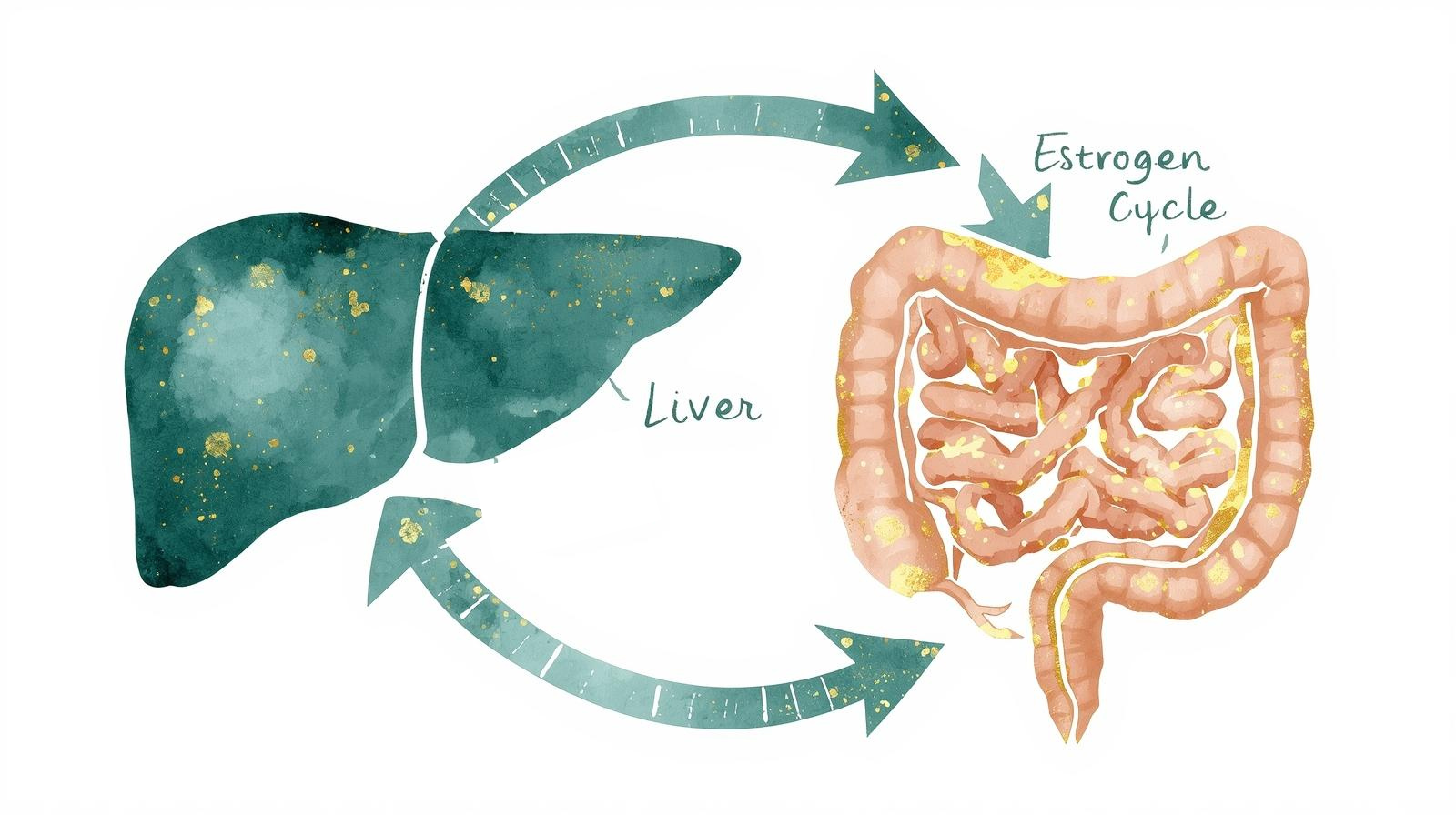
Here's where it gets really interesting: the relationship between your gut microbiome and your hormones isn't one-way. They're in constant conversation.
Plot twist: after menopause, your gut microbiome starts resembling a man's more than a premenopausal woman's. A large study of postmenopausal women found significantly lower β-glucuronidase activity in their gut — meaning the estrobolome's ability to reactivate and recirculate estrogen had measurably declined. Declining hormones don't just show up as hot flashes and brain fog — they quietly reorganize your entire gut microbial community, leaving the estrobolome with less hormonal horsepower at precisely the moment you need all the estrogen support you can get. (Peters, et al., 2022)
It's not just the β-glucuronidase activity that takes a hit — the actual cast of characters in your gut changes too. During perimenopause and menopause, some of the most beneficial bacteria — including Lactobacillus and Bifidobacterium, the ones you've probably seen on your yogurt label — decline significantly. Meanwhile, less friendly bacteria move in to fill the space. Even Akkermansia muciniphila — a superstar microbe known for supporting gut barrier integrity and estrobolome function — is among those that deplete after menopause. Think of it as the gut's A-team getting quietly benched right when the game matters most. (Nieto, et al., 2025)
What does this mean practically? As estrogen declines, the estrobolome's ability to recirculate what little estrogen remains also declines — creating a compounding hormonal effect at a time when women can least afford it.
What Happens When the Estrobolome Gets Out of Balance?
The estrobolome can err in two directions, and both have consequences:
Too Much Beta-Glucuronidase Activity (Estrogen Dominance Territory)
When the gut microbiome is disrupted — think poor diet, chronic stress, antibiotic use — β-glucuronidase activity can become elevated, causing excess estrogen to be reabsorbed rather than excreted. This has been linked to conditions associated with estrogen excess, including:
Endometriosis
Uterine fibroids
PCOS (polycystic ovarian syndrome)
PMS and PMDD
Potentially increased risk of hormone-receptor positive breast cancer
Here's where the estrobolome story gets more serious. When gut bacteria aren't doing their job of metabolizing estrogen properly, the consequences can extend well beyond bloating and mood swings. Research has linked disrupted estrobolome function to estrogen-related conditions including breast cancer, endometrial cancer, and PCOS — all conditions rooted in dysregulated estrogen signaling (Kumari, et al., 2024). Your gut isn't just a digestive organ. It's an active participant in your hormonal health story.
Too Little Estrobolome Activity (Estrogen Deficit Amplification)
On the other side, a depleted estrobolome — common in postmenopause — can fail to adequately recirculate even the modest estrogen that's produced via peripheral conversion in fat tissue. This may amplify the symptoms and health risks associated with low estrogen, including:
Hot flashes and night sweats
Brain fog and mood changes
Bone density loss (osteoporosis risk)
Cardiometabolic risk
Genitourinary syndrome of menopause
A 2025 review from Frontiers in Endocrinology noted that gut microbiota has the potential to improve health in menopausal women precisely because of this regulatory role in estrogen metabolism (Wang, et al., 2025).
Diet and the Estrobolome: Food Is Your Most Powerful Tool
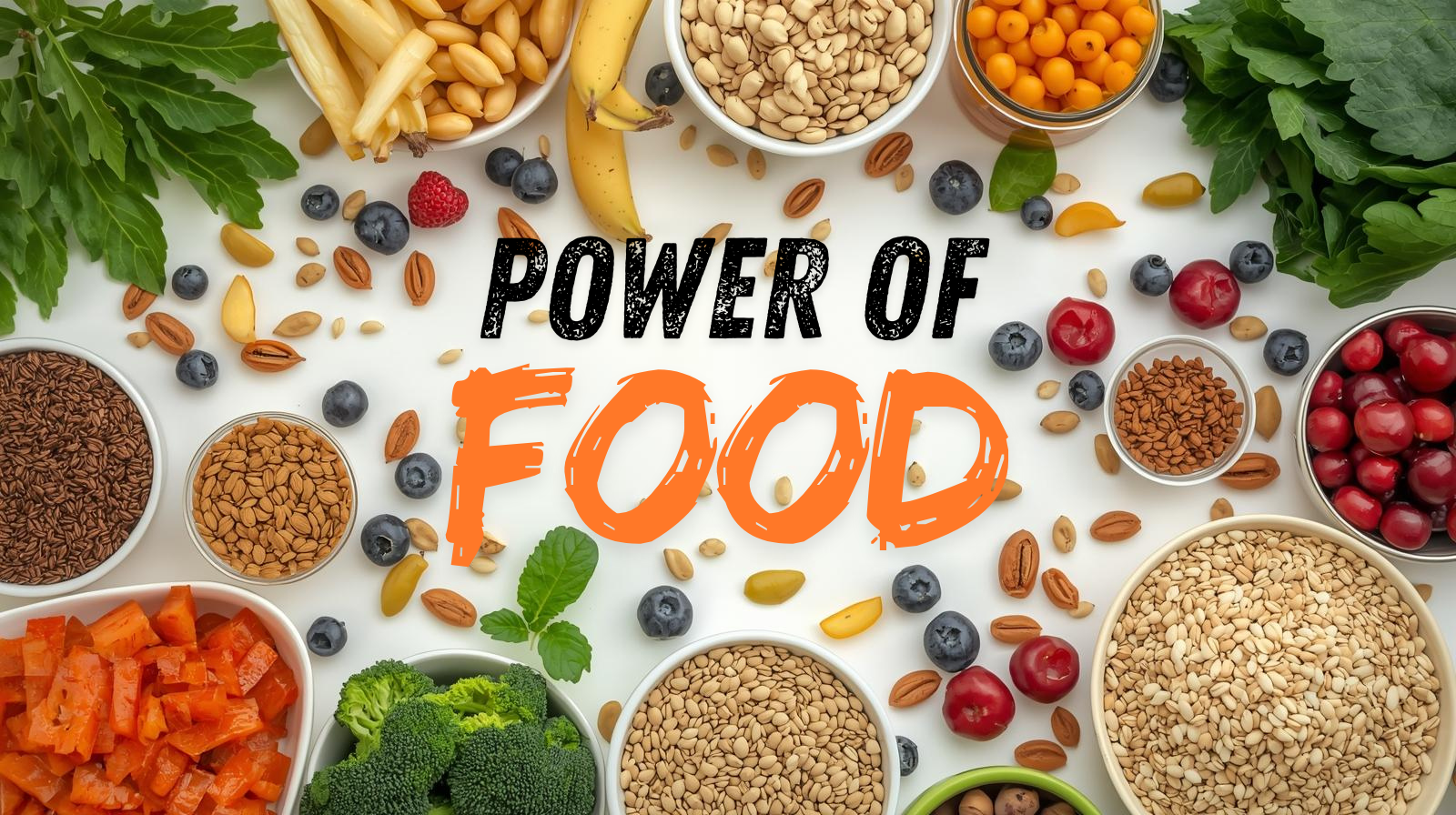
Here's the part where things get really actionable — and where your fork becomes your pharmacist (sort of). Diet is one of the most powerful modulators of gut microbiome composition, and therefore one of the most powerful ways to support your estrobolome.
1. Fiber: The MVP of Estrogen Balance
Fiber — especially from diverse plant sources — is the foundation of a healthy estrobolome. Research has shown that high dietary fiber intake is associated with lower β-glucuronidase activity, which means better estrogen clearance. A study from the University of Alabama at Birmingham (Zengul, et al., 2021) found that total dietary fiber was inversely associated with bacteria known to promote β-glucuronidase activity in postmenopausal women with breast cancer.
On the flip side, a diet high in fat and protein — and low in fiber — has been associated with higher fecal β-glucuronidase activity, meaning more estrogen recirculation (Flores et al., 2012; Goldin et al., 1994). This is not a blame game — it's valuable information that empowers us to make choices that work for our biology.
The goal isn't to eat perfectly. The goal is to crowd in more fiber-rich plants over time, which feeds the microbial communities your estrobolome needs to thrive.
Aim for 25–38 grams of fiber per day from a variety of sources: vegetables, fruits, legumes, whole grains, nuts, and seeds. Diversity of plant foods is key — research suggests that eating 30 or more different plant foods per week is associated with greater microbiome diversity.
2. Phytoestrogens: Nature's Gentle Hormone Helpers
Phytoestrogens are plant compounds that can weakly bind estrogen receptors, acting as either mild estrogen agonists or antagonists depending on the hormonal context. The gut microbiome plays a critical role in determining how effectively these compounds work.
The most studied example is equol, a metabolite produced when gut bacteria convert daidzein (an isoflavone from soy). Equol binds estrogen receptors with higher potency than its precursor daidzein — but only about 25–60% of Western populations can produce equol, depending on the presence of specific gut microbes (Kumari et al., 2024). This is why some people experience dramatic symptom relief from soy foods during menopause, and others don't notice much difference at all.
Key dietary phytoestrogen sources include:
• Soy foods: edamame, tofu, tempeh, miso, soy milk
• Flaxseeds: particularly rich in lignans, which gut bacteria convert into enterolignans (enterodiol and enterolactone)
• Legumes: chickpeas, lentils, black beans, mung beans, and faba beans
• Whole grains: oats, barley, rye
• Berries and stone fruits: blueberries, strawberries, cherries
• Cruciferous vegetables: broccoli, Brussels sprouts, cabbage
Larnder et al. (2025) noted that phytoestrogen metabolism is an important but understudied component of the estrobolome, with different bacteria responsible for converting various phytoestrogen classes. The take-home: regularly consuming a variety of phytoestrogen-rich foods supports the microbial communities that convert them into active, beneficial compounds.
3. The Mediterranean Dietary Pattern: Evidence-Based Eating for Hormonal Health
If there's one dietary pattern with solid research backing for both gut health and hormonal balance, it's the Mediterranean diet. A systematic review of 34 studies found it consistently promotes fiber-degrading and butyrate-producing gut bacteria — the workhorses of a healthy microbiome (Kimble, et al. 2022). But perhaps most compelling: a randomized trial found that following a traditional Mediterranean diet for just six months significantly reduced circulating estrogen levels in postmenopausal women compared to those who continued eating as usual (Carruba, et al, 2006). In postmenopause, where excess estrogen produced via fat tissue is a known driver of hormone-receptor positive breast cancer risk, this is a meaningful finding — not about managing symptoms, but about long-term disease prevention. Sometimes the most powerful intervention is already on your plate.
The MedDiet's high fiber content, polyphenol richness, and anti-inflammatory fats work synergistically to support a balanced, diverse microbiome — and by extension, a healthier estrobolome.
4. Fermented Foods: Bringing in the Good Guys
Fermented foods provide live beneficial bacteria that pass through the gut, exerting beneficial effects while in residence — supporting immune function, gut barrier integrity, and microbial balance. Because these bacteria don't permanently take up residence in most adults, regular daily consumption is what makes the difference.
Great options include:
Yogurt (look for "live active cultures")
Kefir
Kimchi
Sauerkraut
Tempeh
Miso
Kombucha (choose low-sugar varieties)
5. Polyphenols: Tiny Compounds, Big Microbiome Impact
Polyphenols — the colorful plant compounds that give blueberries their blue, red wine its richness, and dark chocolate its bitterness — act as prebiotics for beneficial gut bacteria. Studies show that polyphenol-rich diets increase Bifidobacterium, Akkermansia, and Lactobacillus species — precisely the bacteria associated with healthy estrobolome function.
Load up on: berries, dark leafy greens, extra virgin olive oil, green tea, dark chocolate (70%+), herbs and spices, and red/purple vegetables.
Perimenopause & Menopause: Why the Estrobolome Matters Most Right Now

If you're in your 40s or 50s and navigating the wild ride of perimenopause or menopause, the estrobolome is particularly worth your attention — and your nurturing.
Here's why this life stage is so critical:
During perimenopause, estrogen levels fluctuate dramatically before eventually declining. These hormonal swings can drive gut microbiome instability, potentially creating a feedback loop where gut dysbiosis amplifies hormonal volatility.
After menopause, the ovaries hand in their notice and estrogen production drops dramatically. A quieter form called estrone — produced in fat tissue — becomes the main estrogen in circulation. Here's the interesting part: with less estrogen overall, your estrobolome actually punches above its weight. Think of it this way: when estrogen was fluctuating wildly during your reproductive years, a little microbial nudge barely registered. Now that the hormonal landscape is calmer, even small shifts in estrobolome function can have a more noticeable impact.
Research supports this shift in significance: scientists studying estrogen metabolism have noted that when estrogen levels are lower and more stable — as they are after menopause — even small disruptions in estrobolome function may carry more weight than they did during the hormonal fluctuations of the reproductive years. Estrone, the quieter postmenopausal form of estrogen we mentioned earlier, and androgens become the primary targets of estrobolome activity at this life stage — making the gut-hormone connection uniquely relevant for women navigating this transition (Lardner, et al., 2025).
This is why the dietary and lifestyle recommendations in this post aren't just about general wellness — they're strategic moves to support a hormonal ecosystem that's navigating a major transition.
A Note on Probiotics and the Estrobolome
Here's where the estrobolome research gets really exciting — and where it's also important to pump the brakes just slightly. A well-designed clinical trial found that a probiotic strain specifically chosen for its β-glucuronidase activity helped peri- and postmenopausal women maintain their estrogen levels over time — while estrogen declined significantly in the placebo group (Honda, et al., 2024). In other words, strategically supporting the estrobolome with the right microbial strain may have real, measurable hormonal effects. But — and this is an important but — this specific strain isn't yet widely available, and the broader field of probiotic-estrobolome research is still finding its feet. The principle is sound; the prescription isn't ready yet.
The take-home: probiotics show promise, but the evidence base for specific strains in menopause is still developing. Prioritizing a diverse, fiber-rich diet and fermented foods remains the most evidence-supported approach to nurturing your estrobolome ecosystem.
Your Practical Estrobolome Optimization Plan
Ready to show your estrobolome some love? Here's what the evidence supports:
Eat the rainbow daily. Aim for at least 5–8 different plant foods per day, working toward 30+ plant varieties per week.
Prioritize fiber. Include legumes, whole grains, vegetables, and fruits at every meal. Ground flaxseed (1–2 tablespoons/day) is an easy add for both fiber and lignans.
Include phytoestrogen-rich foods regularly. Soy, flax, and legumes are your friends — especially during perimenopause and menopause.
Add fermented foods daily. Even small amounts (a spoonful of kimchi, a serving of yogurt) can support microbial diversity over time.
Be mindful of ultra-processed foods — but read the label, not just the category. Nutrient-dense UPFs like fortified plant milks, high-protein yogurts, and fiber-rich cereals can absolutely fit in a healthy diet. What matters most is overall nutrient profile, not processing level alone. Reserve caution for UPFs that are low in nutrients and high in added sugars, sodium, and refined fats.
Moderate alcohol. Alcohol disrupts gut barrier integrity and alters microbiome composition — and it also affects estrogen metabolism in the liver.
Manage stress. Chronic stress disrupts the gut-brain axis and can alter microbiome composition. Practices like mindfulness, yoga, and adequate sleep support gut health.
Move your body. Physical activity is independently associated with greater gut microbiome diversity.
Use antibiotics thoughtfully. When medically necessary, use them — but support your microbiome during and after with probiotic foods and extra fiber.
A Registered Dietitian can help you personalize these recommendations — especially if you have a history of hormone-sensitive conditions, digestive issues, or are navigating menopause symptoms. There is no one-size-fits-all estrobolome optimization plan.
The Important Nuance: What We Don't Know Yet
As a dietitian and science communicator, I believe it's essential to pair excitement about emerging research with honest acknowledgment of its limitations. The estrobolome is a genuinely fascinating area, but the science is still evolving.
Here's what I love about good science: it tells you what it doesn't know yet. Researchers studying the estrobolome have been refreshingly honest that existing human studies have produced mixed results, and that we don't yet have a precise roadmap connecting specific gut bacteria to specific health outcomes (Lardner, et al., 2025). Some of this is a measurement problem — the tools to study the estrobolome in humans are still being refined. Some of it reflects the beautiful complexity of the gut microbiome itself, where many different bacteria can perform the same functions, making it hard to isolate individual players. None of this undermines the core concept — it just means the story isn't finished yet. And that's actually a good thing, because it means there's more to discover.
What we DO know with confidence:
• Diet powerfully shapes the gut microbiome.
• The gut microbiome influences estrogen metabolism through enzymatic activity.
• Menopause is associated with measurable changes in both microbiome composition and estrobolome function.
• Dietary patterns rich in fiber and plant diversity are associated with positive health outcomes, including those relevant to hormonal health.
What we're still learning:
• Exactly which microbial species and estrobolome functions are most clinically important.
• The precise dose-response relationships between specific dietary interventions and estrobolome function.
• Which individuals may benefit most from targeted probiotic interventions.
• How the estrobolome interacts with menopausal hormone therapy.
This is why working with a knowledgeable healthcare team — including a Registered Dietitian — matters so much. The nuance is where the real benefit lives.
The Bottom Line (That You Didn't Know You Needed Today)
Your gut is not just digesting your lunch. It's actively participating in your hormonal story — helping to regulate estrogen levels, influencing symptoms, and potentially shaping your long-term health risks.
The estrobolome is a beautiful example of why whole-body, systems-based nutrition matters — and why "eating well for hormones" goes so much deeper than avoiding carbs or taking a random supplement.
Whether you're in the thick of perimenopause, newly postmenopausal, or just curious about optimizing your health for the long haul, feeding your estrobolome with diverse, fiber-rich, plant-forward foods is one of the most evidence-aligned choices you can make.
And that's a prescription I can happily write every single day. 🌿
References
1. Larnder AH, Manges AR, Murphy RA. The estrobolome: Estrogen-metabolizing pathways of the gut microbiome and their relation to breast cancer. Int J Cancer. 2025;157(4):599-613. doi:10.1002/ijc.35427
2. Kumari N, Kumari R, Dua A, et al. From Gut to Hormones: Unraveling the Role of Gut Microbiota in (Phyto)Estrogen Modulation in Health and Disease. Mol Nutr Food Res. 2024;68(6):e2300688. doi:10.1002/mnfr.202300688
3. Peters BA, Lin J, Qi Q, et al. Menopause Is Associated with an Altered Gut Microbiome and Estrobolome, with Implications for Adverse Cardiometabolic Risk in the Hispanic Community Health Study/Study of Latinos. mSystems. 2022;7(3):e0027322. doi:10.1128/msystems.00273-22
4. Nieto, M.R., Rus, M.J., Areal-Quecuty, V. et al. Menopausal shift on women’s health and microbial niches. npj Womens Health 3, 3 (2025). https://doi.org/10.1038/s44294-024-00050-y
5. Carruba G, Granata OM, Pala V, et al. A traditional Mediterranean diet decreases endogenous estrogens in healthy postmenopausal women. Nutr Cancer. 2006;56(2):253-259. doi:10.1207/s15327914nc5602_18
6. Kimble R, Gouinguenet P, Ashor A, et al. Effects of a mediterranean diet on the gut microbiota and microbial metabolites: A systematic review of randomized controlled trials and observational studies. Crit Rev Food Sci Nutr. 2023;63(27):8698-8719. doi:10.1080/10408398.2022.2057416
7. Honda S, Tominaga Y, Espadaler-Mazo J, et al. Supplementation with a Probiotic Formula Having β-Glucuronidase Activity Modulates Serum Estrogen Levels in Healthy Peri- and Postmenopausal Women. J Med Food. 2024;27(8):720-727. doi:10.1089/jmf.2023.k.0320
8. Zengul AG, Demark-Wahnefried W, Barnes S, et al. Associations between Dietary Fiber, the Fecal Microbiota and Estrogen Metabolism in Postmenopausal Women with Breast Cancer. Nutr Cancer. 2021;73(7):1108-1117. doi:10.1080/01635581.2020.1784444
For more information:
Wang H, Shi F, Zheng L, et al. Gut microbiota has the potential to improve health of menopausal women by regulating estrogen. Front Endocrinol (Lausanne). 2025;16:1562332. Published 2025 Jun 9. doi:10.3389/fendo.2025.1562332
Baker JM, Al-Nakkash L, Herbst-Kralovetz MM. Estrogen-gut microbiome axis: physiological and clinical implications. Maturitas. 2017;103:45–53. doi:10.1016/j.maturitas.2017.06.025.
Flores R, Shi J, Fuhrman B, et al. Fecal microbial determinants of fecal and systemic estrogens and estrogen metabolites: a cross-sectional study. J Transl Med. 2012;10:253. Published 2012 Dec 21. doi:10.1186/1479-5876-10-253
Santos-Marcos JA, Rangel-Zuñiga OA, Jimenez-Lucena R, et al. Influence of gender and menopausal status on gut microbiota. Maturitas. 2018;116:43-53. doi:10.1016/j.maturitas.2018.07.008
Hu S, Ding Q, Zhang W, Kang M, Ma J, Zhao L. Gut microbial beta-glucuronidase: a vital regulator in female estrogen metabolism. Gut Microbes. 2023;15(1):2236749. doi:10.1080/19490976.2023.2236749
Cross TL, Simpson AMR, Lin CY, et al. Gut microbiome responds to alteration in female sex hormone status and exacerbates metabolic dysfunction. Gut Microbes. 2024;16(1):2295429. doi:10.1080/19490976.2023.2295429
Ervin SM, Li H, Lim L, et al. Gut microbial β-glucuronidases reactivate estrogens as components of the estrobolome that reactivate estrogens. J Biol Chem. 2019;294(49):18586-18599. doi:10.1074/jbc.RA119.010950
McCann SE, Hullar MAJ, Tritchler DL, et al. Enterolignan Production in a Flaxseed Intervention Study in Postmenopausal US Women of African Ancestry and European Ancestry. Nutrients. 2021;13(3):919. Published 2021 Mar 12. doi:10.3390/nu13030919
— The Nuanced Nutritionist —
Evidence-based. Honest. Always nuanced.