Alpha-Gal Syndrome
The Tick-Borne Allergy That Changes How You Eat

Waking up in the middle of the night with hives and itchiness? Explored almost everything with your doctor and you’re almost out of ideas? Alpha-gal syndrome (also known as mammalian meat allergy) is another option to check out.
What Is Alpha-Gal Syndrome?
Alpha-gal syndrome (AGS) is an allergic condition that you get, not one you are born with. It is caused by a reaction to a sugar molecule called galactose-α-1,3-galactose, or “alpha-gal” for short. What makes it unusual is that most food allergies are triggered by proteins. This one is triggered by a sugar. And unlike most food allergies that start in childhood, AGS can show up at any age, even in people who have been eating red meat their whole lives. (1, 2)
Here is the key to understanding why this happens: humans do not make or carry the alpha-gal molecule. But most other mammals do. It travels through their blood attached to proteins and fats. Because our bodies do not recognize alpha-gal as something that belongs to us, the immune system can treat it as a threat and create antibodies to fight it. Then, when a sensitized person eats mammalian meat or other products that contain alpha-gal, those antibodies kick off an allergic reaction. (1)
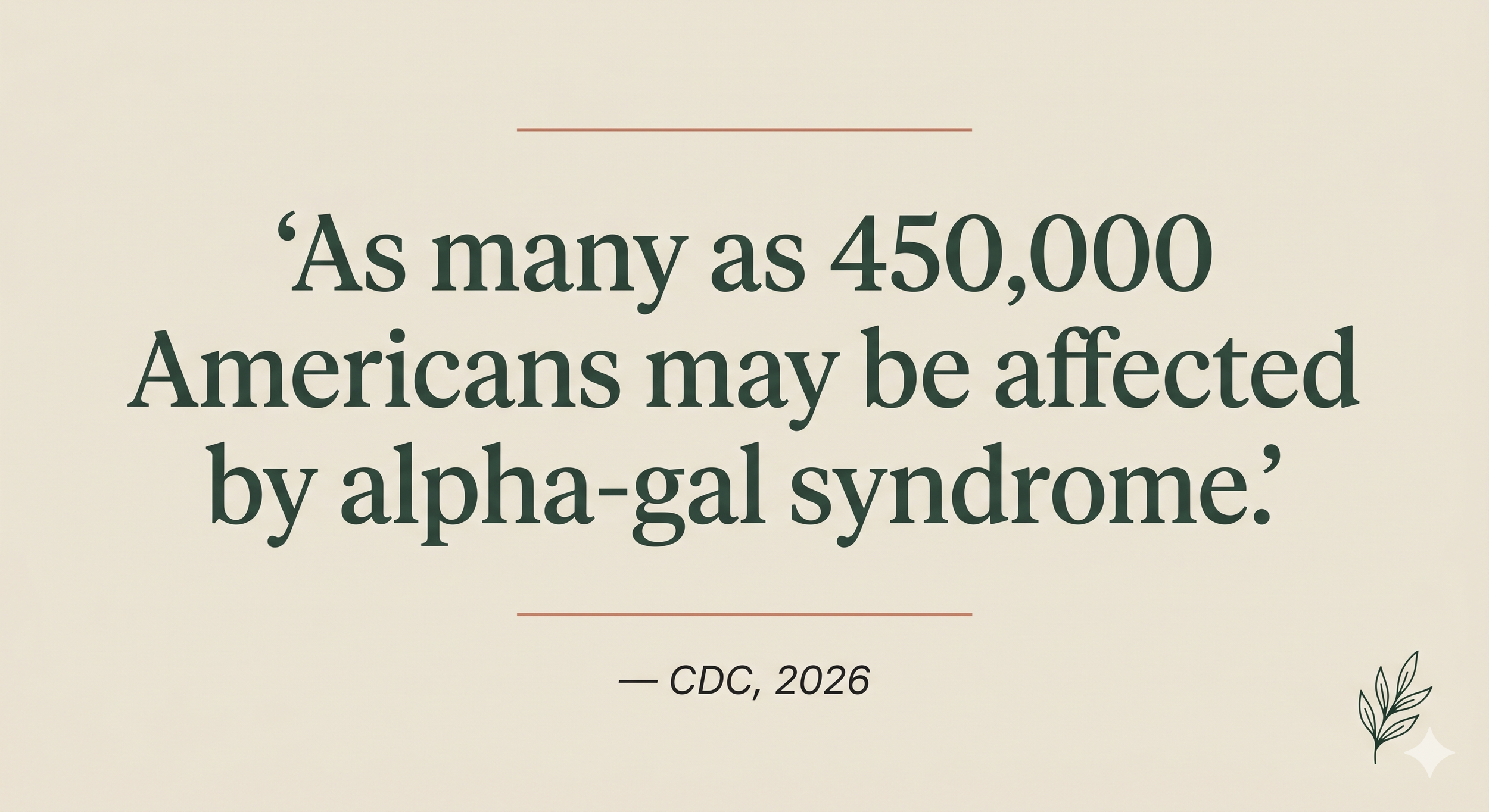
According to the CDC, as many as 450,000 people in the United States may have AGS, and the number of cases has been climbing fast. (3) A 2025 study looking at over 114 million patient records found a dramatic jump in new diagnoses between 2015 and 2025. (4) Another study presented at a major gastroenterology meeting in 2025 reported a 100-fold increase in positive alpha-gal antibody tests between 2013 and 2024. This growth is likely due to both more tick bites and better awareness among doctors.
How Does Someone Develop Alpha-Gal Syndrome?
This is where the story gets interesting. AGS is primarily caused by tick bites. In the United States, the lone star tick (Amblyomma americanum) is the main culprit. Blacklegged ticks and western blacklegged ticks have also been linked to a smaller number of cases. (3) Around the world, other tick species have been connected to AGS in Australia, Europe, Asia, and South America. (5)
Here is how it works: tick saliva contains alpha-gal molecules. When a tick bites and feeds on you, it injects its saliva into your skin and bloodstream. This exposure can cause your immune system to start making antibodies against alpha-gal. A 2024 study using a mouse model showed that lone star tick bites redirect the immune system toward producing the type of antibodies involved in allergic reactions. (6)
Researchers have also found that lone star ticks produce more alpha-gal in their salivary glands when they feed on human blood compared to other mammals, with significant variation between individual ticks and populations from different regions. (7) This may partly explain why not everyone who gets bitten develops the syndrome.
The pattern of AGS cases in the U.S. closely follows where lone star ticks live, mostly across the southern, midwestern, and mid-Atlantic states. Early researchers noticed this pattern also matched the areas where Rocky Mountain spotted fever occurs, which helped point to ticks as the cause before the full picture was understood. Dr. Scott Commins at the University of North Carolina and the late Dr. Thomas Platts-Mills at the University of Virginia have led this research since AGS was first described in the late 2000s. About 80% of patients with suspected AGS report a history of tick bites, and those individuals tend to have higher alpha-gal antibody levels. (8)
Key point: Not every tick bite leads to AGS. Only some people who are bitten by lone star ticks develop symptoms. The reasons for this are still being studied, but individual immune differences, tick-related factors, and how many times someone has been bitten all seem to play a role. (6, 7)
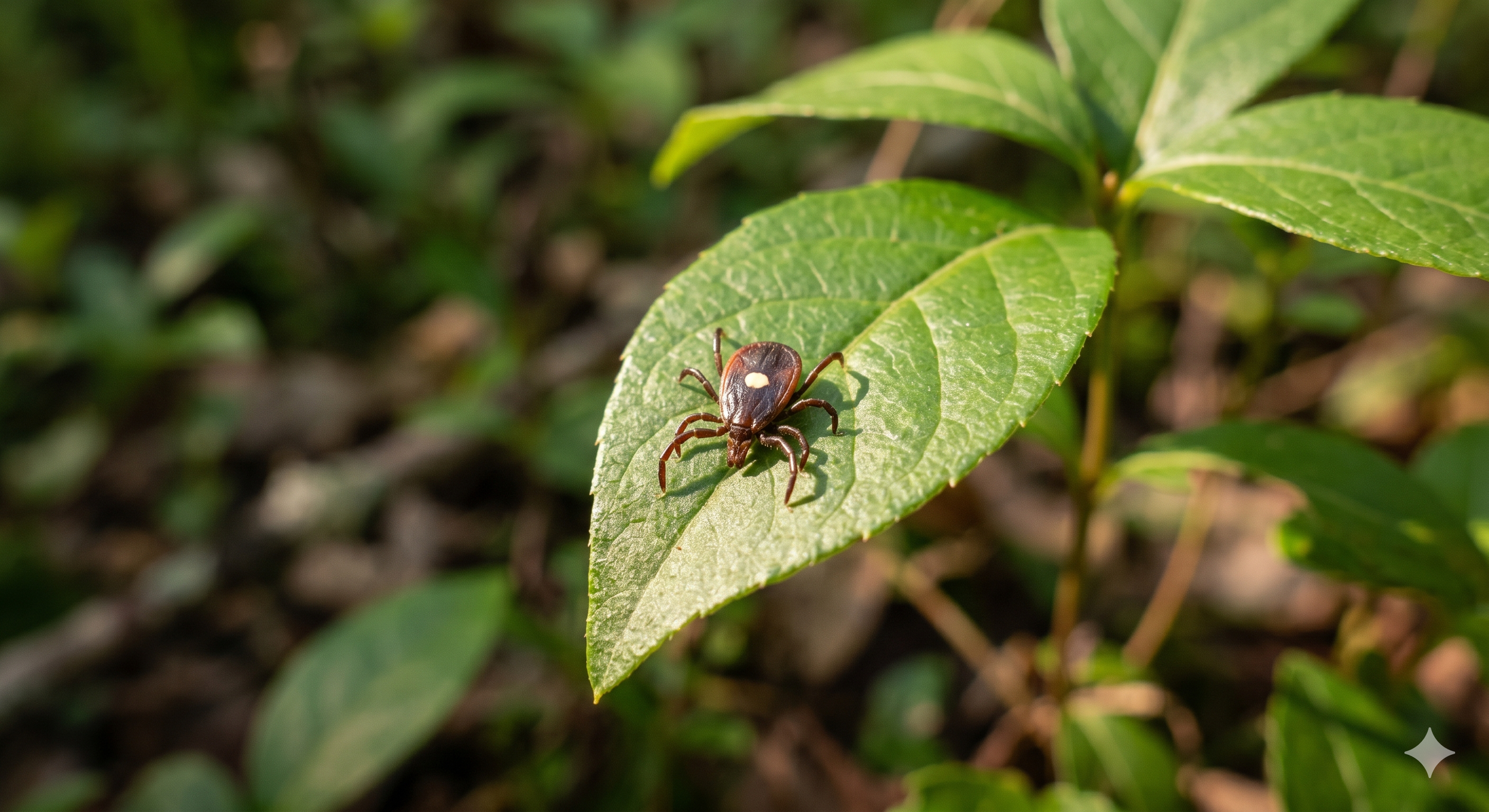
Ticks can share the sugar, alpha-gal, that our human bodies do not recognize - leading to an immune response and allergic reaction with subsequent intake of this sugar (found in mammal-based foods).
Symptoms: The Telltale Delay
One of the trickiest things about AGS is that symptoms show up hours after eating, not right away. Unlike most food allergies where you react within minutes, AGS reactions usually happen 2 to 8 hours after eating a trigger food. (1, 2) This makes it very hard for patients and doctors to connect the dots between a meal and the reaction that follows.
Symptoms can include:
Skin reactions: Hives, swelling of the lips, face, or throat, and intense itching
Stomach and digestive symptoms: Belly pain, nausea, vomiting, and diarrhea
Breathing problems: Difficulty breathing, wheezing
Heart and circulation symptoms: A drop in blood pressure, dizziness
Anaphylaxis: A severe, potentially life-threatening allergic reaction, reported in up to 60% of people with AGS (1)
A 2025 study highlighted that AGS has historically been missed or delayed in diagnosis. (9) A 2022 survey found that 42% of healthcare providers in the U.S. had never heard of AGS, and another 35% were not confident they could diagnose or manage it. (3)
An important update from the research: a growing number of AGS patients have a stomach-focused form of the condition. A 2025 Mayo Clinic study found that nearly half of patients with positive alpha-gal blood tests had digestive symptoms, and about 11% had only digestive symptoms with no skin involvement at all. (10) This presentation can look a lot like irritable bowel syndrome, which is one reason it often goes unrecognized for so long.
The Cofactor Effect: Why Reactions Are Unpredictable
One of the most confusing things about AGS for patients is that reactions do not happen every time you eat the same food. You might eat a hamburger one day and feel fine, then eat one the following week and end up in the ER. This unpredictability is actually one of the hallmarks of the condition. (2)
Research has identified several factors that can increase the chance of a reaction or make it worse: (1, 2)
Alcohol (especially drinking with a meal that contains alpha-gal)
Exercise after eating
NSAIDs (over-the-counter pain relievers like ibuprofen or naproxen)
Being sick, fighting an infection, or under stress
Poor sleep
Menstruation
The fat content of the meal is also a big factor. Higher-fat mammalian products are more likely to cause reactions and tend to produce more severe ones. The current thinking is that alpha-gal molecules get packaged into fat particles called chylomicrons during digestion, which are then broken down slowly. This delayed processing is likely why reactions take hours to show up and why fattier foods are more of a problem. (1)
Dietary Management: What to Avoid (and What You Can Still Eat)
The Core: Avoiding Mammalian Meat
The foundation of managing AGS is cutting out mammalian meat. (11) This means avoiding meat from any non-primate mammal. In everyday terms, that includes: beef, pork, lamb, venison, bison, buffalo, goat, rabbit, bear, and other game meats. Organ meats like liver, kidneys, and heart also contain alpha-gal and need to be avoided.
Foods that are still safe include: chicken, turkey, duck, fish, shellfish, eggs, fruits, vegetables, grains, beans and legumes, nuts, and seeds.
Hidden Sources of Alpha-Gal
Beyond the obvious red meats, alpha-gal can hide in many products you might not expect: (1, 2, 11)
Meat broths and extracts: Beef broth in soups, bouillon cubes, gravy packets, and flavor bases
Animal fats: Lard, tallow, and drippings used in cooking; pork fat in pastries and baked goods
Processed foods: “Natural flavors” (a vague label that may include mammal-based ingredients), pork casings on chicken or turkey sausages, fatback or bacon added to vegetable dishes
Gelatin: Made from pig or cow skin and bones. Found in gummy candies, marshmallows, gelatin desserts, some yogurts, and bone broth
Carrageenan: Comes from red seaweed, but contains the alpha-gal sugar epitope. Used as a thickener in many processed foods, dairy alternatives, and drinks
The Dairy Question
This is one of the most common questions I get about AGS, and the answer is not simple. Dairy products do contain alpha-gal, but in much smaller amounts than meat. The good news is that most people with AGS can still eat dairy. About 80–90% of patients do not react to milk or cheese. (2)
That said, high-fat dairy products are more likely to cause problems. Ice cream, heavy cream, cream cheese, and full-fat butter are the dairy items most often linked to reactions. This makes sense given what we know about how fat affects alpha-gal absorption. (11)
There is also a hopeful angle here. Some research suggests that patients who can tolerate moderate amounts of dairy may actually be more likely to see their allergy improve over time. (12) A small study even explored using cow’s milk as a form of gradual exposure therapy for AGS, and found it was tolerated over a 3-year period (though larger studies are needed). Because of this, many allergists now encourage keeping moderate dairy in the diet, especially hard cheeses and low-fat milk, rather than cutting it all out unless you are clearly reacting.
My recommendation: If you have AGS, talk with your allergist about dairy. If you are not having symptoms with moderate dairy intake, there may be real value in keeping it in your diet. If you are reacting, try removing high-fat dairy first (especially ice cream and cream-based products) before eliminating all dairy. Cheeses made with animal-based rennet may also deserve a closer look, since rennet comes from the stomachs of mammals.
The Gelatin Concern
Gelatin is made from animal collagen and still contains the alpha-gal molecule. While fewer than 10% of AGS patients react to gelatin in foods, the concern goes well beyond gummy bears. (1) Gelatin shows up in:
Foods: Gummy candies, marshmallows, gelatin desserts, some yogurts, protein bars
Medications: Gelatin capsules (“gel-caps”) used for many prescription and over-the-counter drugs
Supplements: Many vitamin and supplement capsules
Vaccines: Some vaccines that contain gelatin have been linked to severe allergic reactions in AGS patients, though the risk varies by product
Medical products: Gelatin-based IV fluids used in hospitals carry an especially high risk for AGS patients
How gelatin enters your body matters a lot. Eating a small amount of gelatin in food tends to cause mild symptoms in only a small percentage of patients. But gelatin given through an IV can cause severe, immediate reactions. This is an important difference for anyone with AGS to communicate to their healthcare team, especially before surgery or hospital stays. (1, 13)
Medications and Medical Products: It Goes Beyond Food
AGS is not just about what you eat. Many commonly used medications and medical devices contain ingredients that come from mammals. (13) One review found that 74% of the 100 most commonly prescribed medications contain ingredients like gelatin, magnesium stearate, or lactose that may carry trace amounts of alpha-gal. In a 2023 survey of 559 AGS patients, 92% had to change medications because of reactions, and 50% reported experiencing a severe allergic reaction from a medication. (14)
Products that may be a concern include certain cancer drugs (especially cetuximab), some vaccines, heart valve replacements made from cow or pig tissue, blood thinners like heparin, surgical materials, and antivenom treatments. If you have AGS, make sure all of your healthcare providers know about your diagnosis. Reviewing medication ingredients should be part of your ongoing care. (1, 13)
Diagnosis: How to Know If You Have AGS
Diagnosis is based on your symptoms and a blood test: (2, 11)
1. Your story and symptoms: Delayed allergic reactions (2–8 hours) after eating mammalian meat or products, especially if you live in or have visited tick-heavy areas and have been bitten by ticks
2. Blood test: The main test checks for alpha-gal-specific IgE antibodies. A positive result, combined with a matching history, strongly supports the diagnosis
3. Diet trial: Improvement in symptoms when you follow an alpha-gal avoidance diet helps confirm the diagnosis
One important note: a positive blood test alone does not mean you have clinical AGS. Many people, especially in areas with lots of ticks, test positive for alpha-gal antibodies (15–35% of the population in high-exposure regions) but never develop symptoms. (2) The test has to be read in the context of what you are actually experiencing.
Can AGS Go Away?
Unlike many childhood food allergies, AGS is something you develop later in life, and the encouraging news is that it may get better for some people. The most important factor seems to be avoiding more tick bites. Research shows that about 89% of patients who successfully avoid additional bites see their alpha-gal antibody levels drop over time. (2) In some patients followed for at least 5 years, antibody levels became undetectable and they were able to start eating mammalian meat again.
However, getting bitten again can restart or worsen the condition. Clinical guidelines recommend rechecking your alpha-gal antibody levels 6–12 months after diagnosis if you have been avoiding tick bites. As levels come down, you may be able to slowly bring back dairy first, then small amounts of meat, ideally with your allergist’s guidance. (11)
Important caution: If you have had a severe reaction like anaphylaxis, do not try reintroducing foods on your own. This should be done under medical supervision with epinephrine on hand, because AGS reactions are inherently unpredictable.
New Research: AGS and Heart Disease
One of the most surprising developments in AGS research is a possible connection to heart disease. A study found that among 118 patients undergoing heart catheterization, those with alpha-gal antibodies had about 30% more plaque in their arteries, and the plaque tended to have features that make it more likely to cause a heart attack. (15)
A larger study of over 1,000 patients confirmed that alpha-gal sensitization was independently linked to greater plaque buildup and even to a type of heart attack. (16) The proposed explanation involves immune cells being activated inside artery walls: in people who make antibodies to alpha-gal, dietary alpha-gal carried by cholesterol particles may trigger ongoing, low-level inflammation in the coronary arteries. (17)
This research is still early, and the link is a statistical association rather than a proven cause-and-effect relationship. But it raises important questions about whether alpha-gal sensitization, even in people without obvious AGS symptoms, could be a factor in heart disease, especially in areas where tick bites are common.
Tick Bite Prevention: Your Best Defense
Since tick bites are what start AGS, prevention is your most powerful tool. The CDC recommends: (3)
Use repellents: Apply EPA-registered insect repellents with 20–30% DEET on exposed skin. Treat clothing and gear with 0.5% permethrin.
Dress for protection: Wear long sleeves, long pants tucked into socks, and closed-toe shoes when you are in wooded or grassy areas.
Do thorough tick checks: After spending time outdoors, check your whole body, your children, and your pets. Ticks can be as tiny as a poppy seed.
Remove ticks quickly and correctly: Use fine-tipped tweezers, grab the tick as close to your skin as possible, and pull straight up with steady pressure. Removing ticks early may help lower the risk of sensitization, because alpha-gal levels in tick saliva increase the longer the tick feeds. (7)
Shower within 2 hours: Showering soon after being outdoors helps find and wash off ticks that have not yet attached.
The Bottom Line
Alpha-gal syndrome is a fast-growing, tick-related allergic condition that affects what you can eat, what medications you can safely take, and possibly even your heart health. It is still widely underdiagnosed because of delayed reactions and symptoms that vary from person to person.
If you live in or travel to areas with lots of ticks, experience unexplained allergic reactions or stomach issues hours after eating, or have had nighttime hives or allergic episodes with no clear cause, AGS is worth bringing up with your healthcare provider. A simple blood test can help clarify the picture.
And if you do get an AGS diagnosis: build a team. An allergist for ongoing monitoring, and a registered dietitian to help you sort through the details of alpha-gal avoidance without cutting more from your diet than you need to. Because as with so many things in nutrition, the details matter, and nuance is everything.
References
1. Platts-Mills TAE, Li RC, Keshavarz B, Smith AR, Wilson JM. Diagnosis and management of patients with the α-gal syndrome. J Allergy Clin Immunol Pract. 2020;8(1):15–23.e1. https://doi.org/10.1016/j.jaip.2019.09.017
2. Commins SP. Diagnosis & management of alpha-gal syndrome: lessons from 2,500 patients. Expert Rev Clin Immunol. 2020;16(7):667–677.https://doi.org/10.1080/1744666X.2020.1782745
3. U.S. Centers for Disease Control and Prevention. About alpha-gal syndrome. Updated January 5, 2026. https://www.cdc.gov/alpha-gal-syndrome/about/index.html
4. Ross AJ, et al. Alpha-gal on the rise: the alarming growth of alpha-gal syndrome in high-risk regions. Cureus. 2025. https://doi.org/10.7759/cureus.88415
5. Van Nunen SA. Tick-induced allergies: mammalian meat allergy, tick anaphylaxis and their significance. Asia Pac Allergy. 2015;5(1):3–16. https://doi.org/10.5415/apallergy.2015.5.1.3
6. Sharma SR, Choudhary SK, Vorobiov J, Commins SP. Tick bite-induced alpha-gal syndrome and immunologic responses in an alpha-gal deficient murine model. Front Immunol. 2024;14:1336883. https://doi.org/10.3389/fimmu.2023.1336883
7. Maldonado-Ruiz LP, Commins SP, et al. High levels of alpha-gal with large variation in the salivary glands of lone star ticks fed on human blood. Sci Rep. 2023;13:21143. https://doi.org/10.1038/s41598-023-48437-2
8. Commins SP, James HR, Kelly LA, et al. The relevance of tick bites to the production of IgE antibodies to the mammalian oligosaccharide galactose-α-1,3-galactose. J Allergy Clin Immunol. 2011;127(5):1286–1293.e6. https://doi.org/10.1016/j.jaci.2011.02.019
9. Maki CK, Saunders EF, Taylor ML, Waller LA, Salzer JS. Time from onset to diagnosis of alpha-gal syndrome. JAMA Netw Open. 2025;8(3):e2461729. https://doi.org/10.1001/jamanetworkopen.2024.61729
10. Lesmana E, Rao S, Keehn A, et al. Clinical presentation and outcomes of alpha-gal syndrome. Clin Gastroenterol Hepatol. 2025;23(1):69–78. https://doi.org/10.1016/j.cgh.2024.06.044
11. McGill SK, Hashash JG, Platts-Mills TA. AGA clinical practice update on alpha-gal syndrome for the GI clinician: commentary. Clin Gastroenterol Hepatol. 2023;21(4):891–896.https://doi.org/10.1016/j.cgh.2022.12.035
12. Macdougall JD, Thomas KO, Iweala OI. The Meat of the Matter: Understanding and Managing Alpha-Gal Syndrome. ITT. 2022;11:37-54. https://doi.org/10.2147/ITT.S276872
13. Shishido AA, Wormser GP. A review of alpha-gal syndrome for the infectious diseases practitioner. Open Forum Infect Dis. 2025;12(8):ofaf430. https://doi.org/10.1093/ofid/ofaf430
14. Shah SA. The overlooked cardiac implications of alpha-gal syndrome. American College of Cardiology Feature. 2025. https://www.acc.org/latest-in-cardiology/articles/2025/07/01/01/feature-the-overlooked-cardiac-implications-of-alpha-gal-syndrome
15. Wilson JM, Nguyen AT, Schuyler AJ, et al. IgE to the mammalian oligosaccharide galactose-α-1,3-galactose is associated with increased atheroma volume and plaques with unstable characteristics. Arterioscler Thromb Vasc Biol. 2018;38(7):1665–1669. https://doi.org/10.1161/ATVBAHA.118.311222
16. Vernon ST, Kott KA, Hansen T, et al. Immunoglobulin E sensitization to mammalian oligosaccharide galactose-α-1,3 (α-gal) is associated with noncalcified plaque, obstructive coronary artery disease, and ST-segment–elevated myocardial infarction. Arterioscler Thromb Vasc Biol. 2022;42(3):352–361. https://doi.org/10.1161/ATVBAHA.121.316878
17. Wilson JM, McNamara CA, Platts-Mills TAE. IgE, α-gal and atherosclerosis. Aging. 2019;11(7):1900–1902. https://doi.org/10.18632/aging.101894